25 Best Eco-Friendly Green Kitchen Tips to Upgrade Your Space
A green kitchen isn’t just about having eco-friendly materials—it’s a lifestyle that blends sustainability, comfort, and mindful choices into the heart of your home. People today are more aware than ever of how their homes impact energy use, waste production, and personal well-being, and the kitchen is where these choices become reality. Whether you’re planning a remodel or simply making small upgrades, creating a green kitchen can transform the way you cook, clean, and live every day.
A green kitchen promotes healthier indoor air, reduces long-term costs, and helps you rely less on resources that damage the environment. From choosing the right appliances to incorporating natural materials, every change—big or small—brings you closer to a more energy-efficient and sustainable lifestyle. Below are 25 human-centered, real-life ideas explained in two paragraphs each to help you build the green kitchen you envision.
Eco-Friendly Cabinets
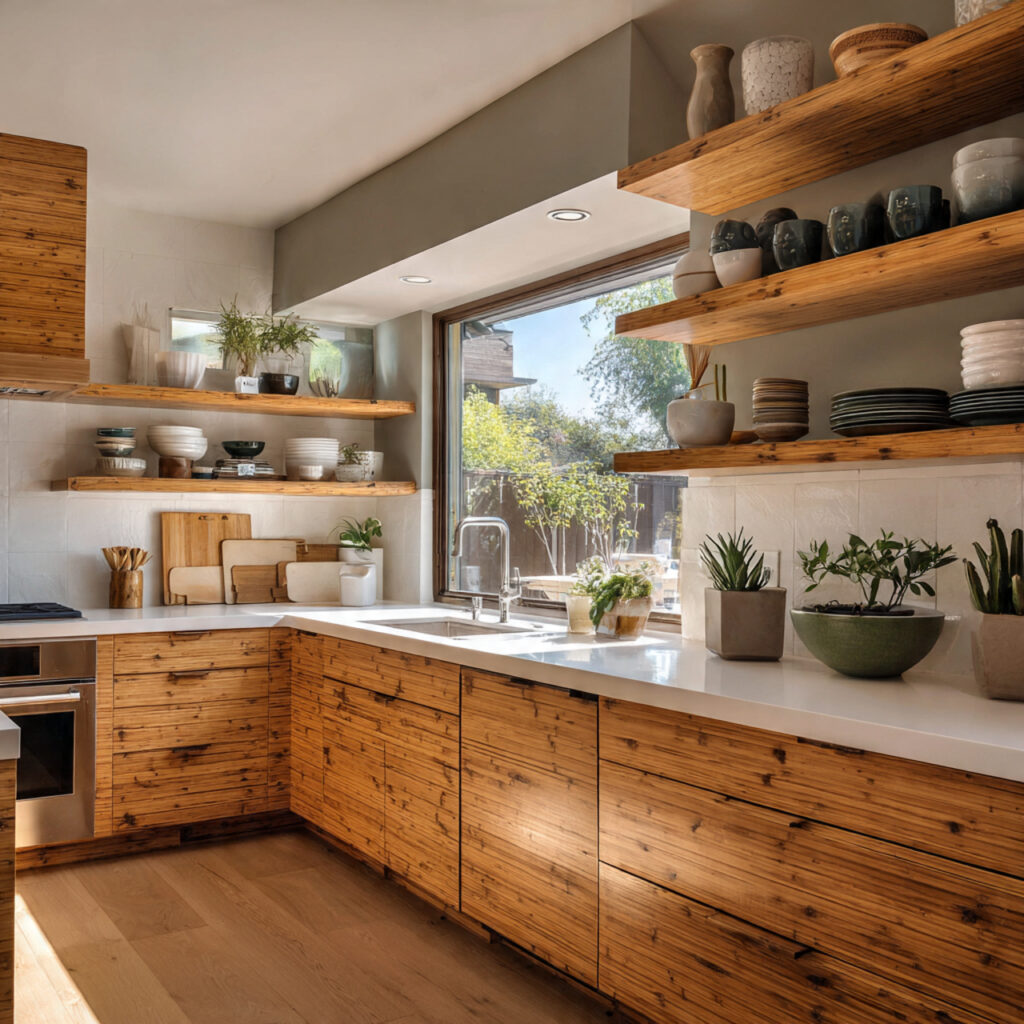
Choosing sustainable cabinetry is one of the simplest first steps toward a green kitchen. Cabinets made from bamboo, reclaimed wood, or FSC-certified lumber reduce environmental impact and add a warm, organic look. These materials are often more durable and lighter on harmful chemicals compared to traditional options.
Low-VOC finishes are especially important because they prevent toxic fumes from lingering in your home. In a green kitchen, indoor air quality matters just as much as the materials you see. With emissions kept to a minimum, you get a healthier space without sacrificing beauty.
Recycled Countertops

Recycled glass, paper composite, and reclaimed stone countertops give your green kitchen character while cutting down on manufacturing waste. These surfaces are not only visually stunning but built for everyday use. Each slab tells a story—sometimes with speckles of color from old bottles or industrial glass.
Because they are made from reused materials, these countertops create significantly less energy impact in production. They’re durable, easy to maintain, and fit beautifully with both modern and rustic kitchen styles.
Energy-Efficient Appliances
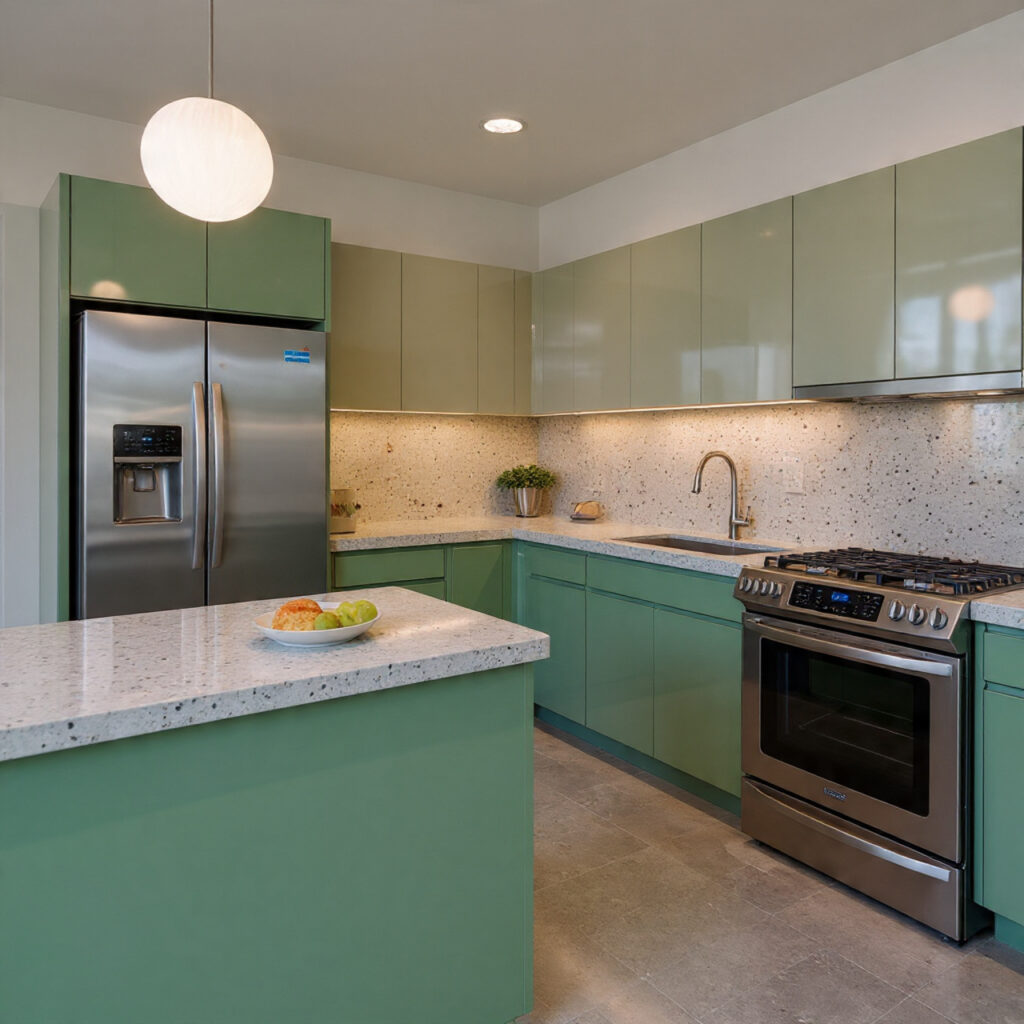
One of the most powerful upgrades for a green kitchen is switching to ENERGY STAR–certified appliances. These models consume less electricity and water, which lowers your utility bills over time. Refrigerators, dishwashers, and ovens designed for high efficiency also help maintain consistent performance.
Modern high-efficiency appliances use smart sensors to adjust temperature, water flow, and power levels. This makes your green kitchen not only eco-conscious but also technologically advanced with features that simplify daily cooking and cleaning.
LED Lighting
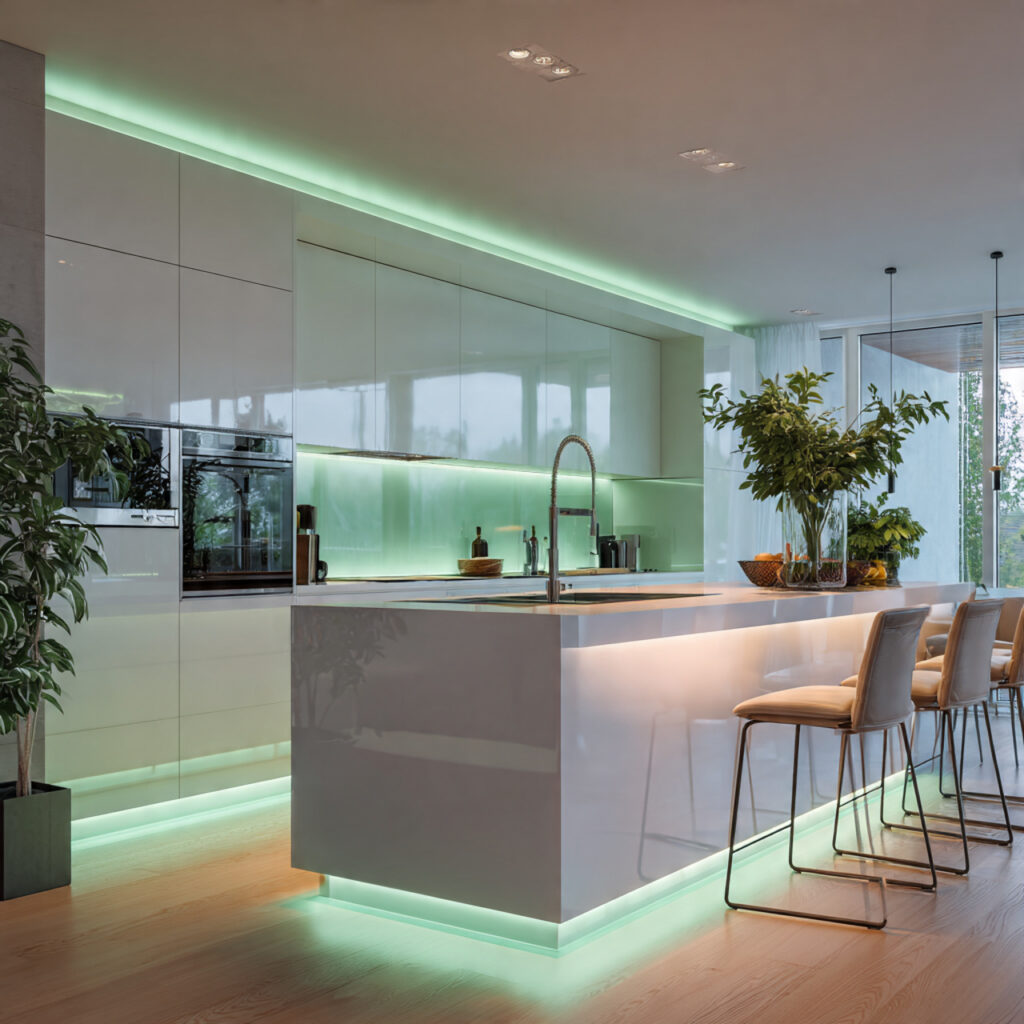
Switching to LED lighting dramatically reduces energy consumption. LEDs use up to 75% less electricity than incandescent bulbs and last longer, which means fewer replacements. The softer, adjustable glow they produce can create the perfect atmosphere in your green kitchen.
Under-cabinet LED strips are another smart addition. They improve visibility while cooking and highlight your sustainable design choices. This small switch saves money and adds long-term efficiency.
Water-Saving Faucets
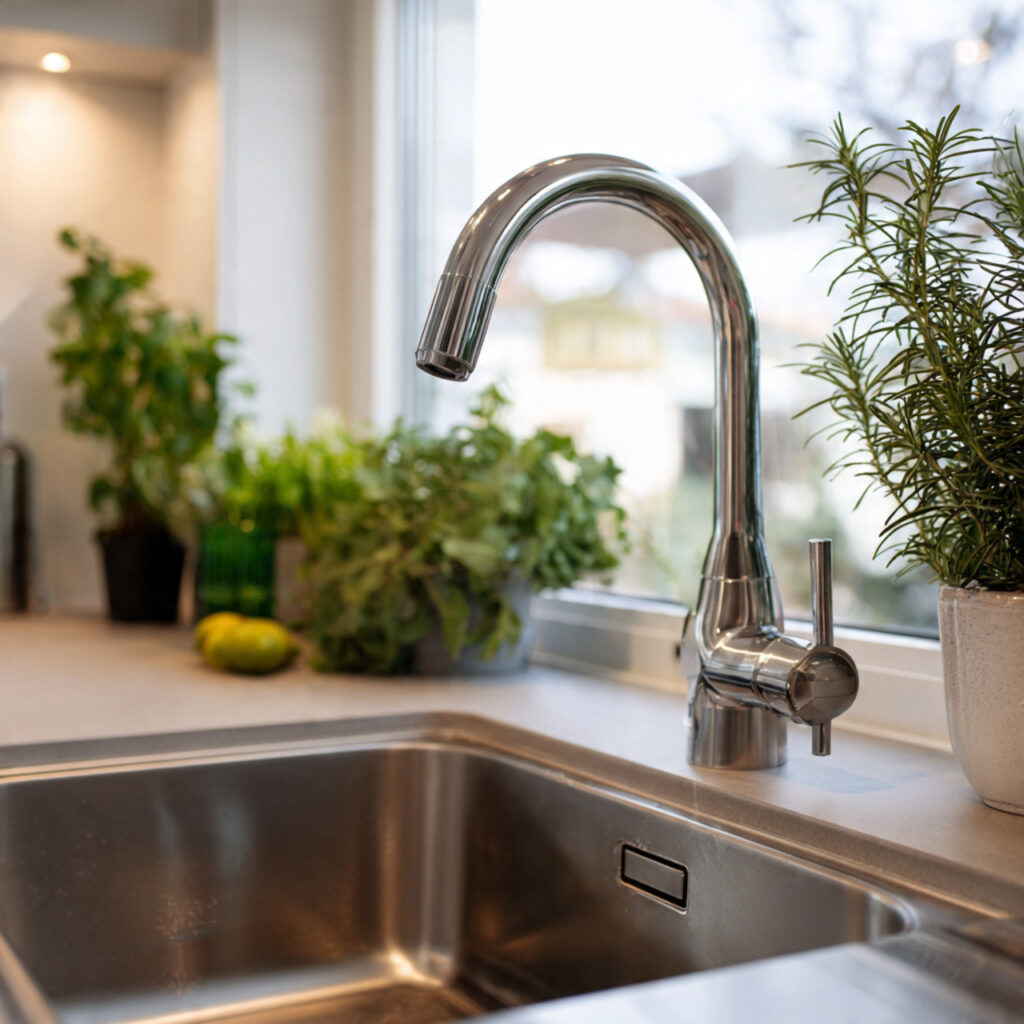
Installing low-flow faucets and aerators helps reduce water waste without affecting water pressure. These fixtures blend air into the stream, making your green kitchen more efficient while still providing a comfortable flow.
Pairing these faucets with a water-efficient dishwasher multiplies your savings. Over the course of a year, households can conserve thousands of gallons of water, lowering both costs and environmental footprint.
Composting Stations
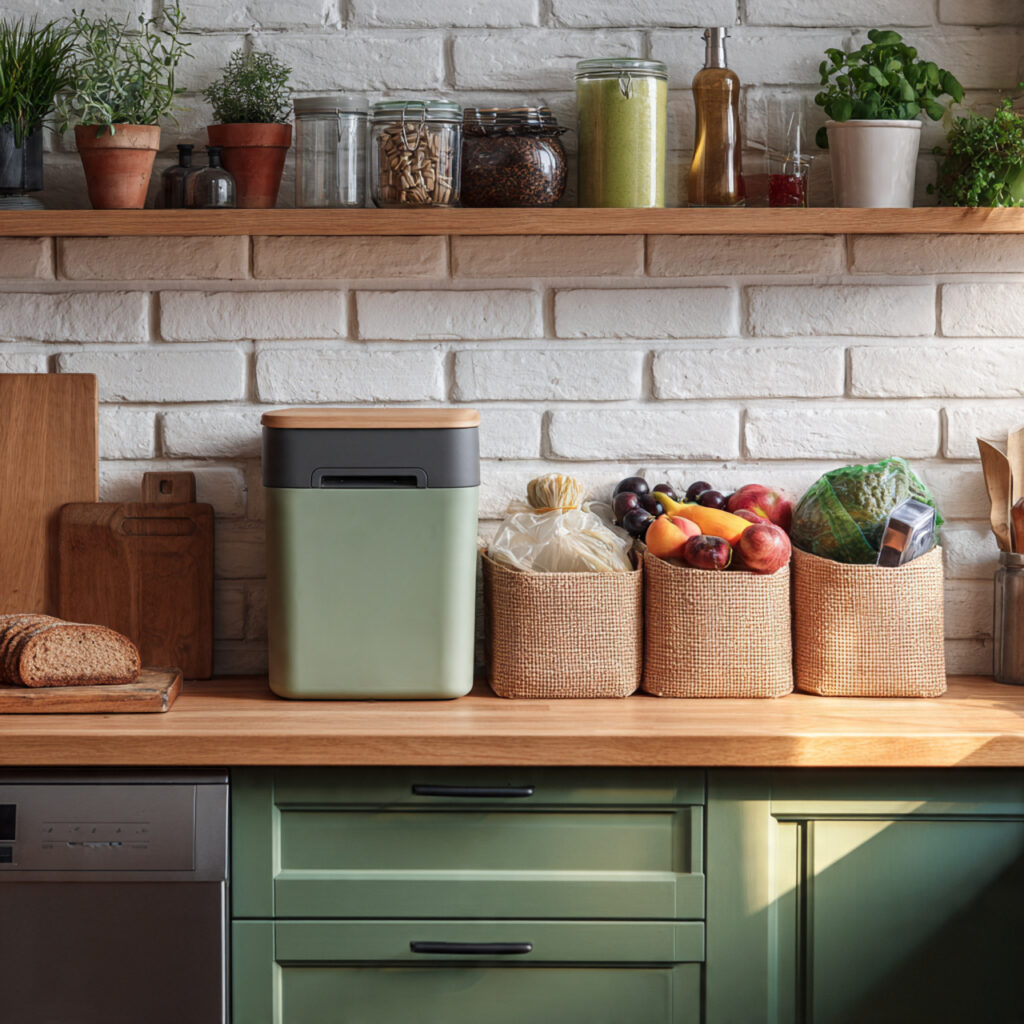
Adding a dedicated compost system keeps food scraps out of the trash and puts nutrients back into the soil. Whether you choose a countertop bin or an under-sink model, composting fits naturally into a green kitchen lifestyle.
Not only does composting reduce your household waste by up to 30%, but it also helps you reconnect with the cycle of food. Using that compost for herb gardens or plants brings the benefits full circle.
Indoor Herb Garden
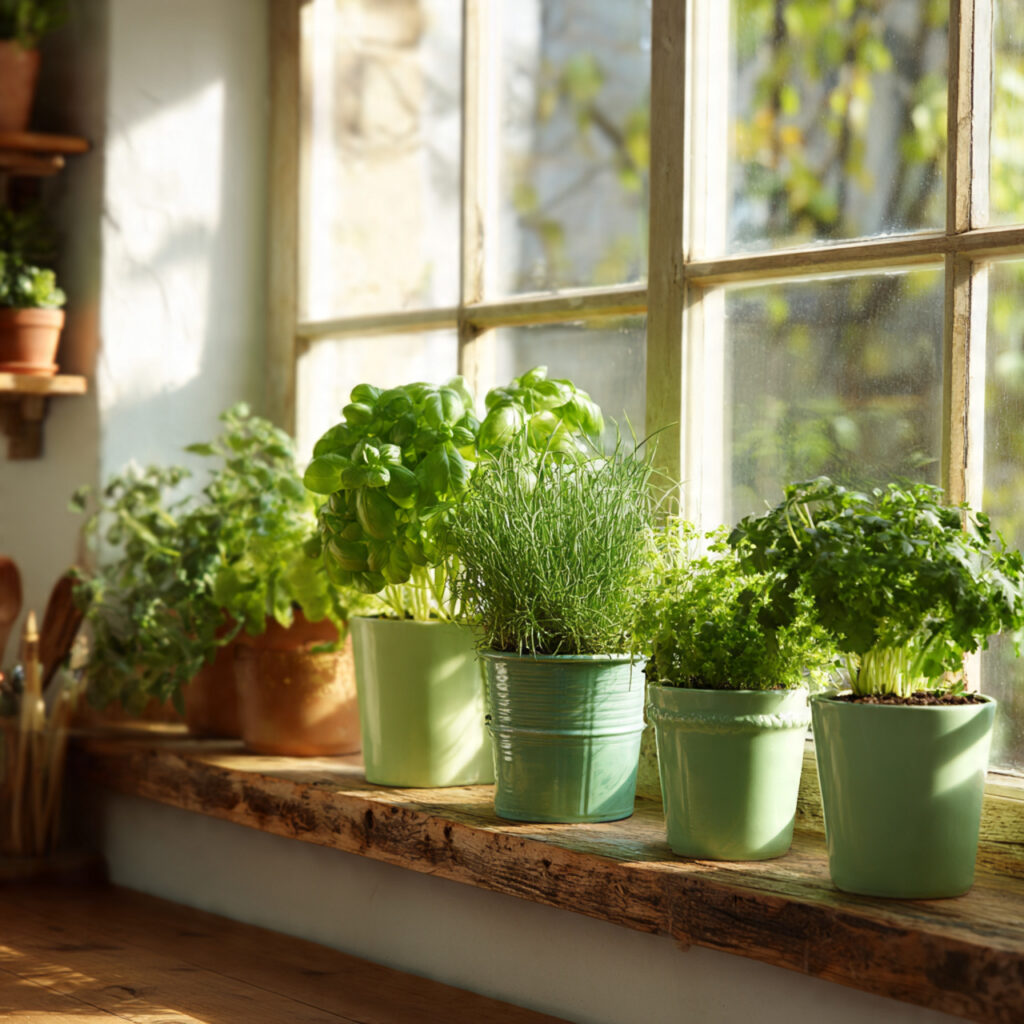
A green kitchen thrives with life, and a small indoor herb garden adds freshness, aroma, and flavor to your meals. Basil, parsley, cilantro, and mint grow easily on sunny windowsills.
Growing herbs at home reduces packaging waste and eliminates the need for store-bought herbs that often lose flavor quickly. Your dishes taste fresher, and your kitchen stays vibrant and natural.
Sustainable Flooring
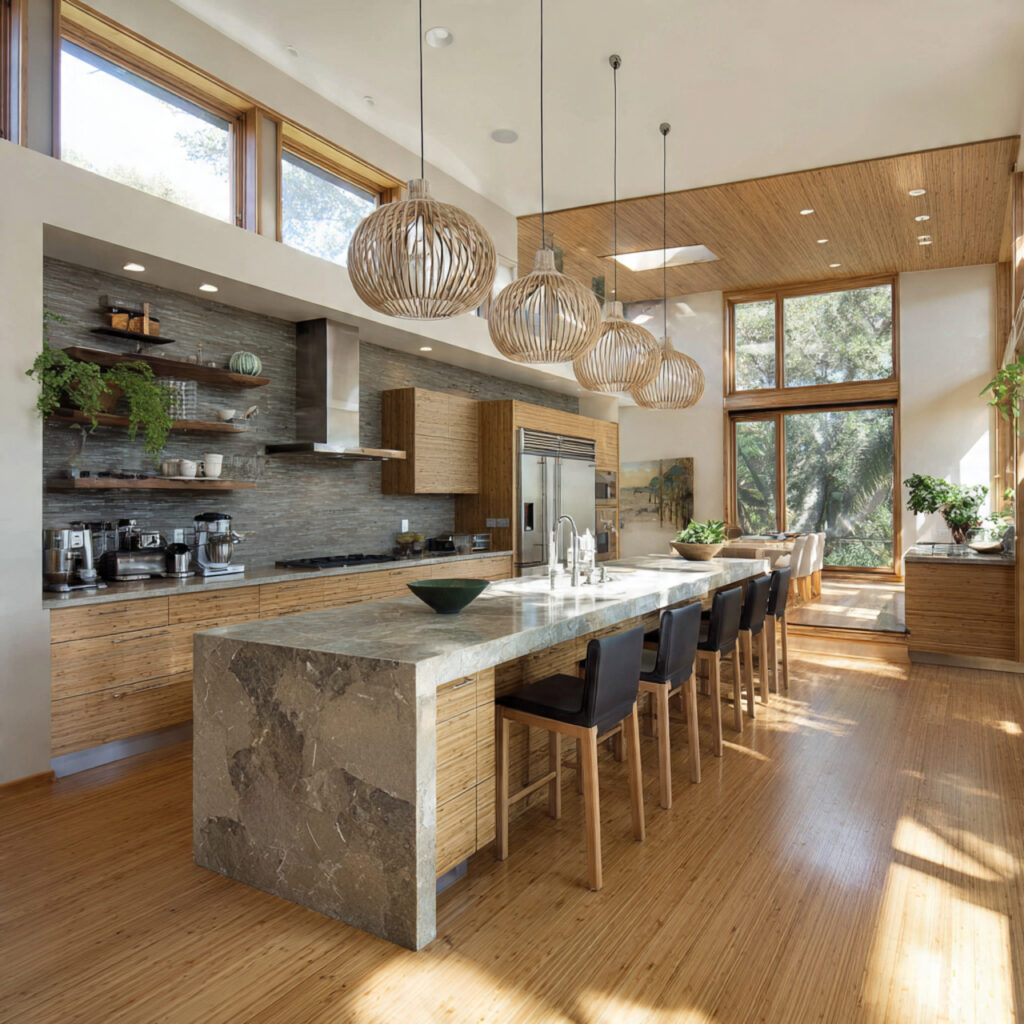
Cork, bamboo, and linoleum are top choices for eco-friendly flooring. These renewable materials are soft underfoot, making long cooking sessions more comfortable.
Beyond sustainability, these floors contribute to good indoor air quality and longevity. With proper care, they can look beautiful for many years while supporting your green kitchen goals.
Recycled Backsplash Tiles
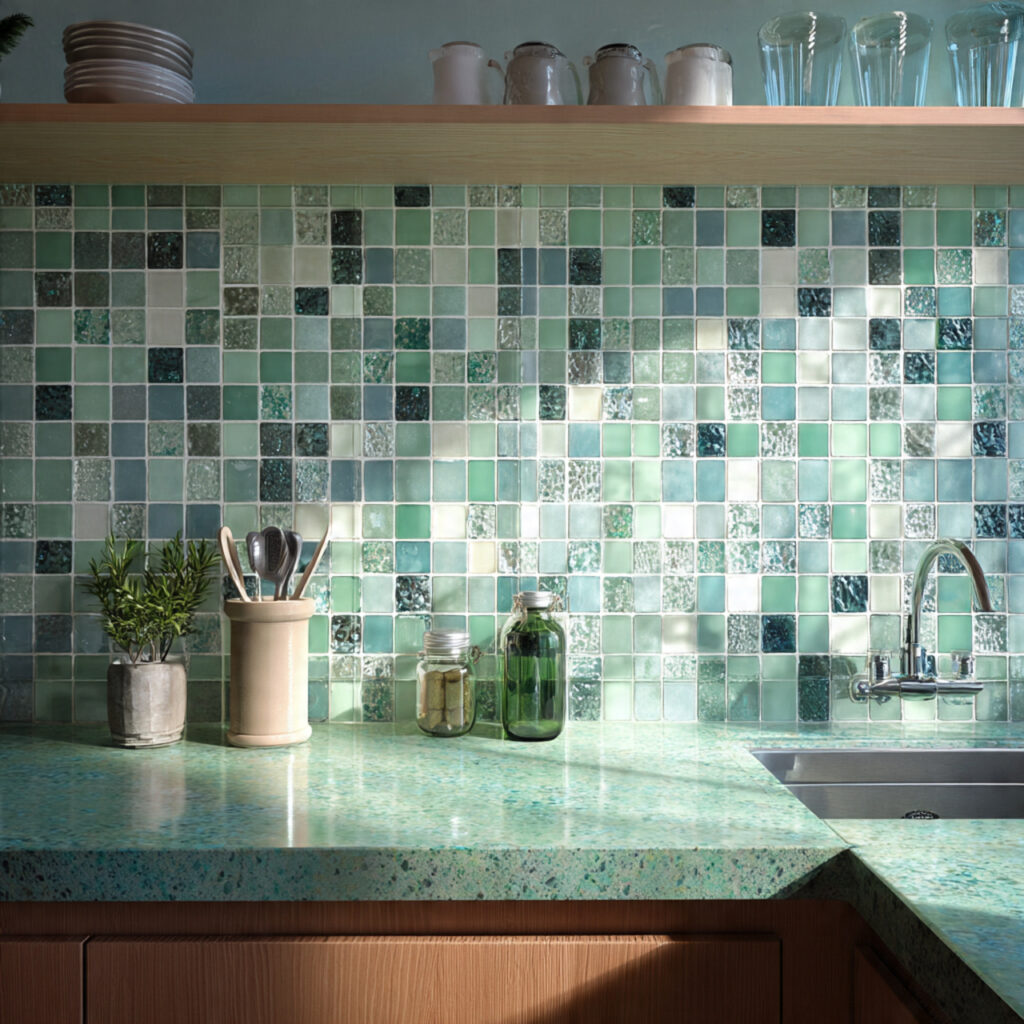
Backsplash designs made from recycled ceramic, glass, or cement tiles are perfect for adding color and personality. These tiles often come from industrial byproducts or repurposed materials.
They’re long-lasting, easy to clean, and blend well with modern sustainable décor. Their use prevents tons of material from ending up in landfills.
Natural Cleaning Products
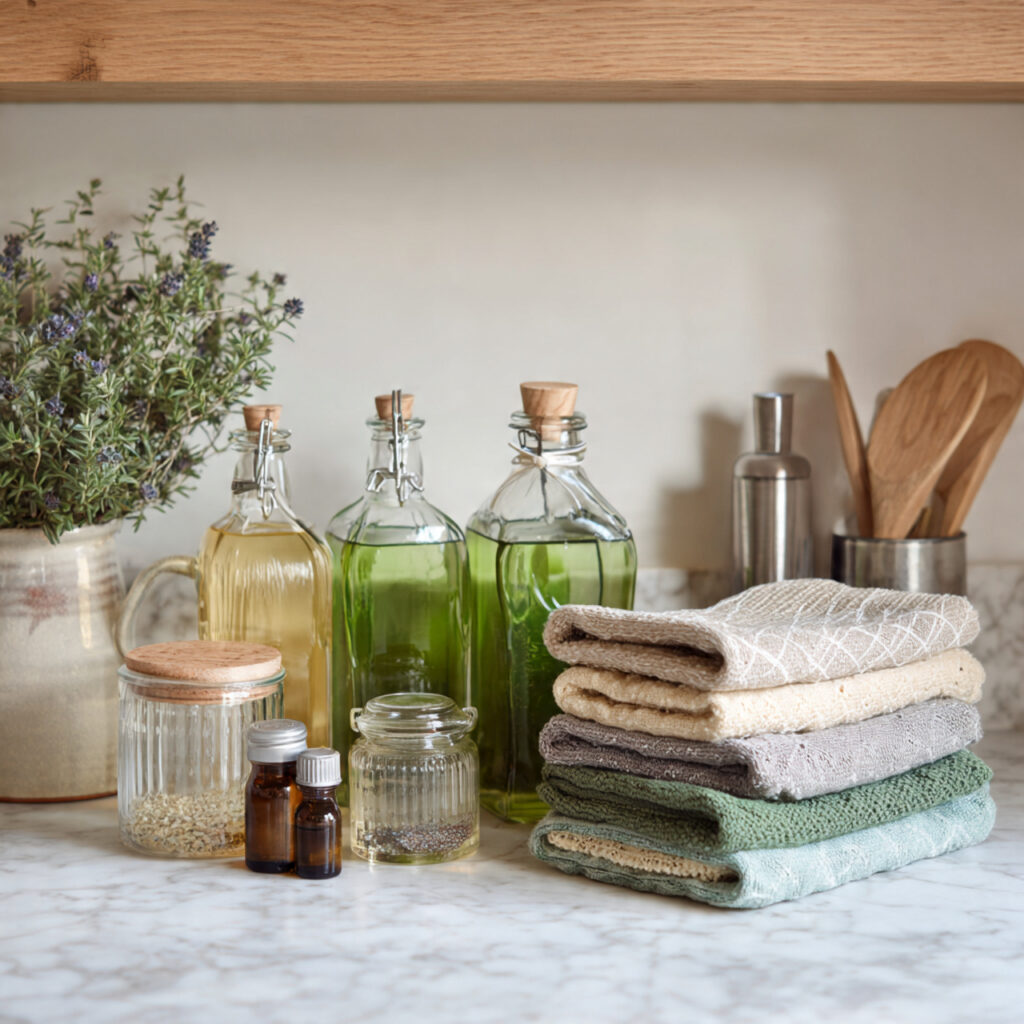
Your green kitchen remains eco-friendly when you clean with safe, plant-based products. Harsh chemicals release fumes that linger long after cleaning is done, affecting indoor air.
Using simple ingredients like vinegar, essential oils, and baking soda keeps surfaces clean without harming your family or the environment. These natural solutions are also cost-effective.
Visit Also: Kitchen Island
Reusable Containers
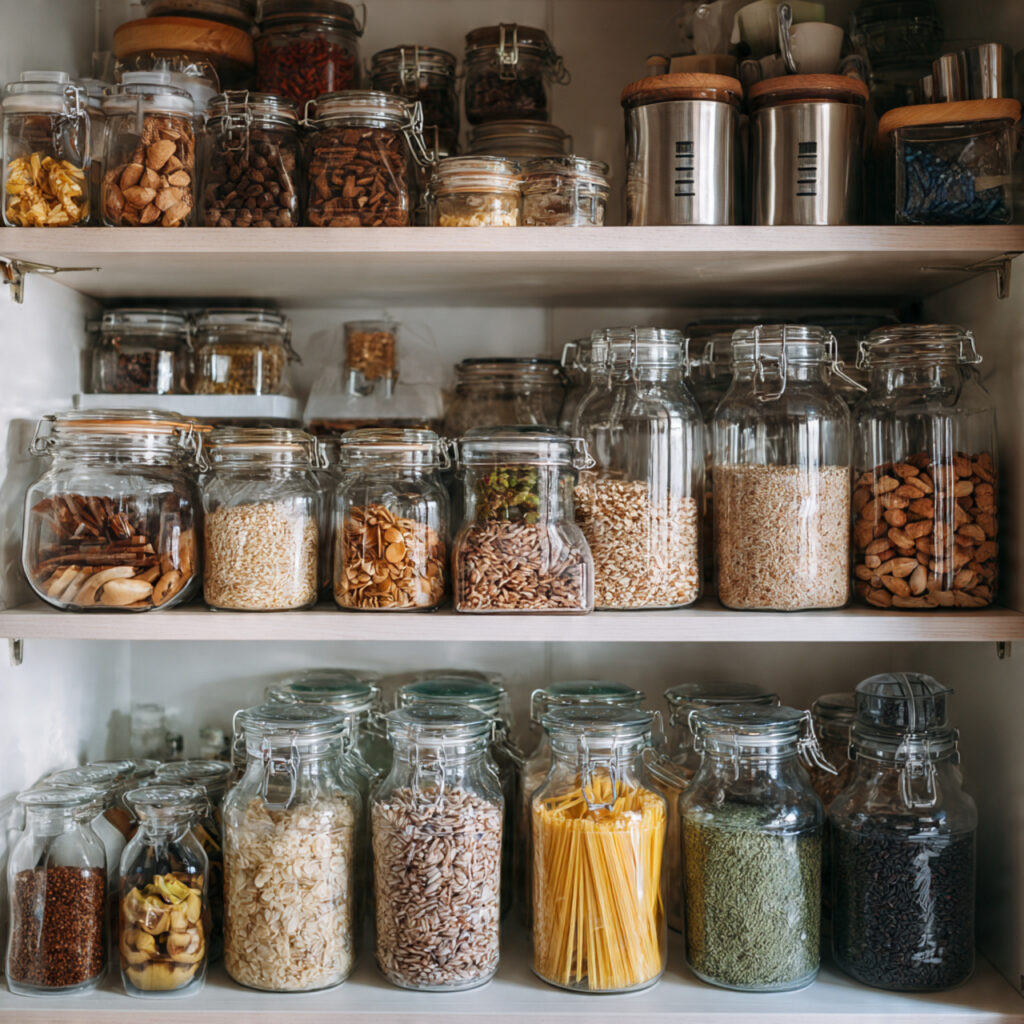
Swapping single-use plastics for glass jars, stainless steel containers, and silicone bags helps reduce waste significantly. These reusable items last for years and keep food fresher.
A green kitchen is about mindful choices, and reusable containers prevent plastic pollution while upgrading your storage game.
Smart Thermostat Integration

Adding a smart thermostat helps control the temperature of your green kitchen with precision. These devices adjust automatically to your habits, conserving energy.
By reducing unnecessary heating or cooling, you save money and reduce energy load. This makes your space more efficient all year long.
Zero-Waste Pantry Setup
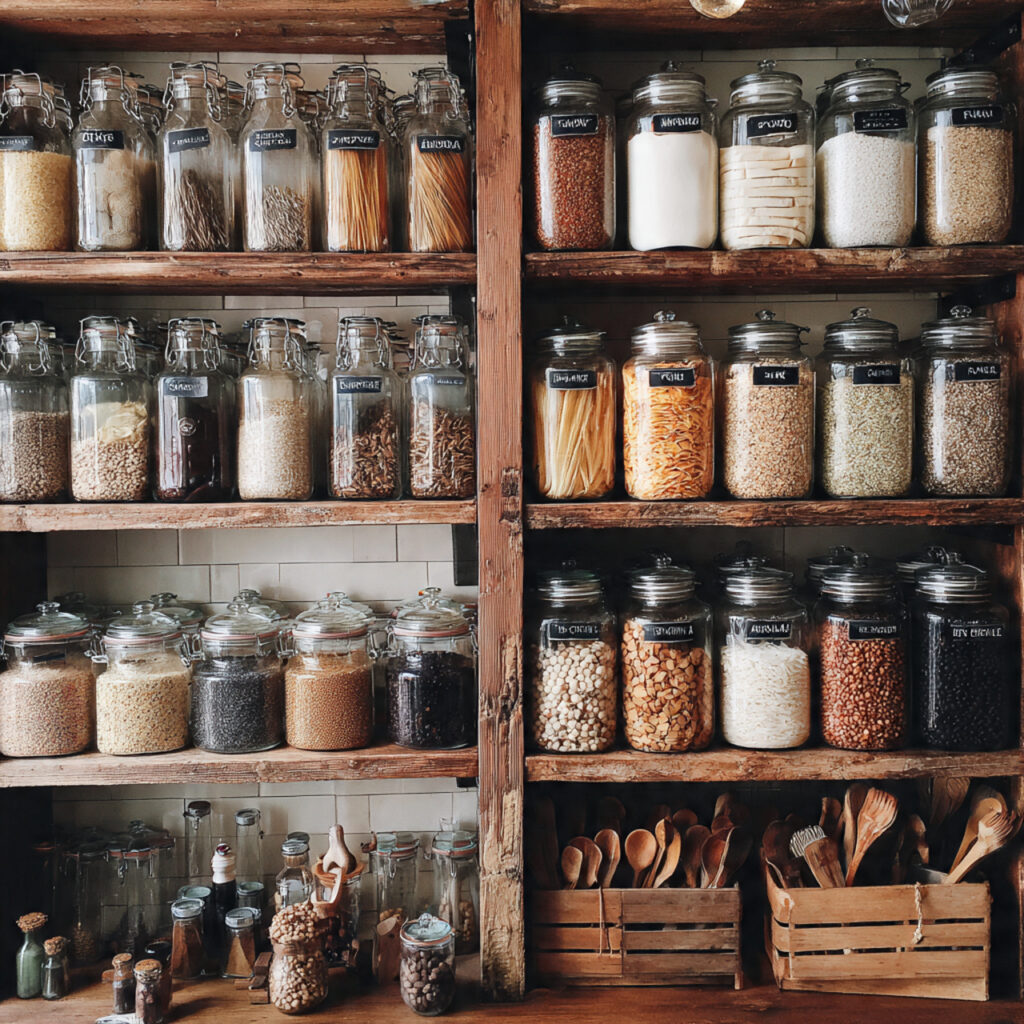
A green kitchen often includes a pantry stocked with bulk foods in reusable jars. This system eliminates packaging waste and makes ingredients more visible.
It also helps you track your groceries better, reducing the likelihood of spoilage. The result is a cleaner, more organized cooking environment.
Renewable Energy Sources

Solar panels and small wind-assisted systems can partially power your green kitchen. While the upfront cost can be high, long-term savings are significant.
Pairing renewables with efficient appliances maximizes impact. You rely less on traditional energy and contribute to a cleaner planet.
Natural Ventilation
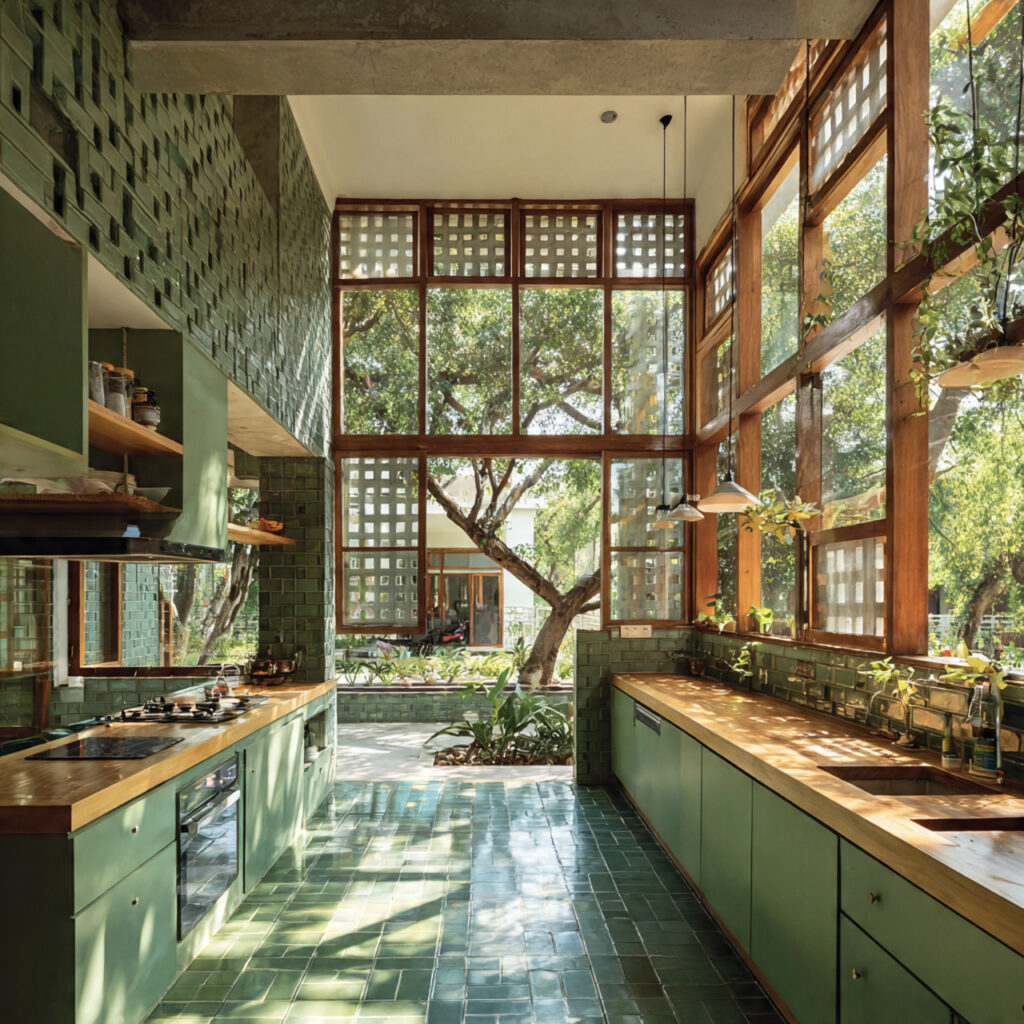
Good airflow is essential for maintaining healthy indoor air. Cross-ventilation removes cooking odors, steam, and pollutants without relying heavily on electricity.
Installing a high-quality range hood further supports this effort. Together, they create a balanced, breathable environment for your green kitchen.
Eco-Friendly Paint

Choosing low-VOC or zero-VOC paints eliminates chemical toxins from your kitchen walls. These paints are safer for children, pets, and anyone with sensitivities.
Their colors remain vibrant over time, offering a beautiful finish without compromising air quality. It’s a simple but powerful upgrade for any green kitchen.
Visit Also: Kitchen Bar Design
Biodegradable Dishware

Biodegradable or compostable plates and utensils are great when hosting gatherings. They break down naturally and reduce landfill waste.
While they’re not meant to replace everyday dishware, they’re an eco-conscious alternative for special occasions that align with the values of a green kitchen.
Sustainable Cooking Habits

Cooking with lids, using residual heat, and prepping meals efficiently are habits that support a green kitchen. Small changes in routine reduce energy use instantly.
Batch cooking also minimizes appliance use and saves time. You create nutritious meals with less environmental strain.
Vintage or Upcycled Décor
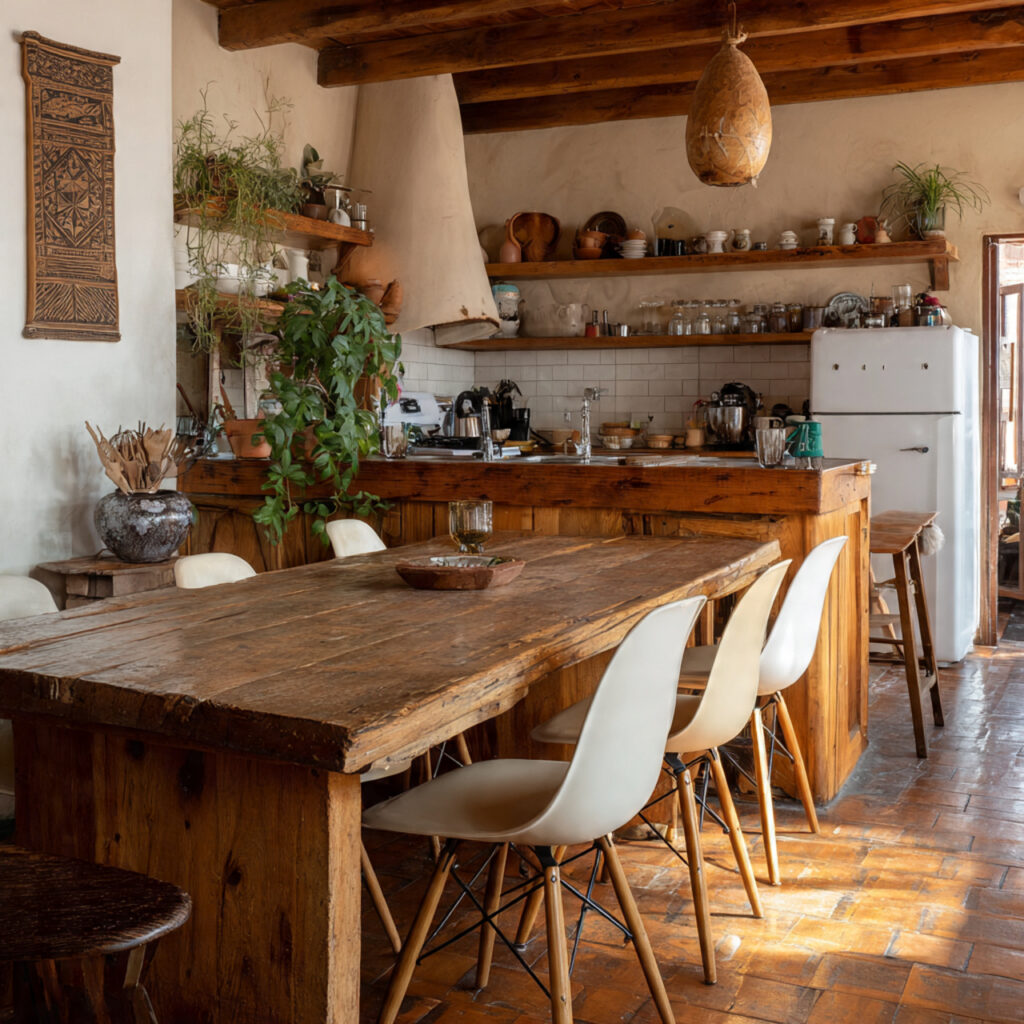
Instead of buying new décor, consider restoring vintage finds or repurposing items. These add charm and individuality to your green kitchen.
Using items already in circulation reduces manufacturing demand and waste. The result is a stylish, character-rich space with eco-friendly roots.
Water Filtration System

Installing a filtration system reduces the need for plastic water bottles. It also ensures safer, cleaner drinking water for your home.
Filtered water tastes better and removes contaminants, supporting both health and sustainability goals in your green kitchen.
Smart Power Strips
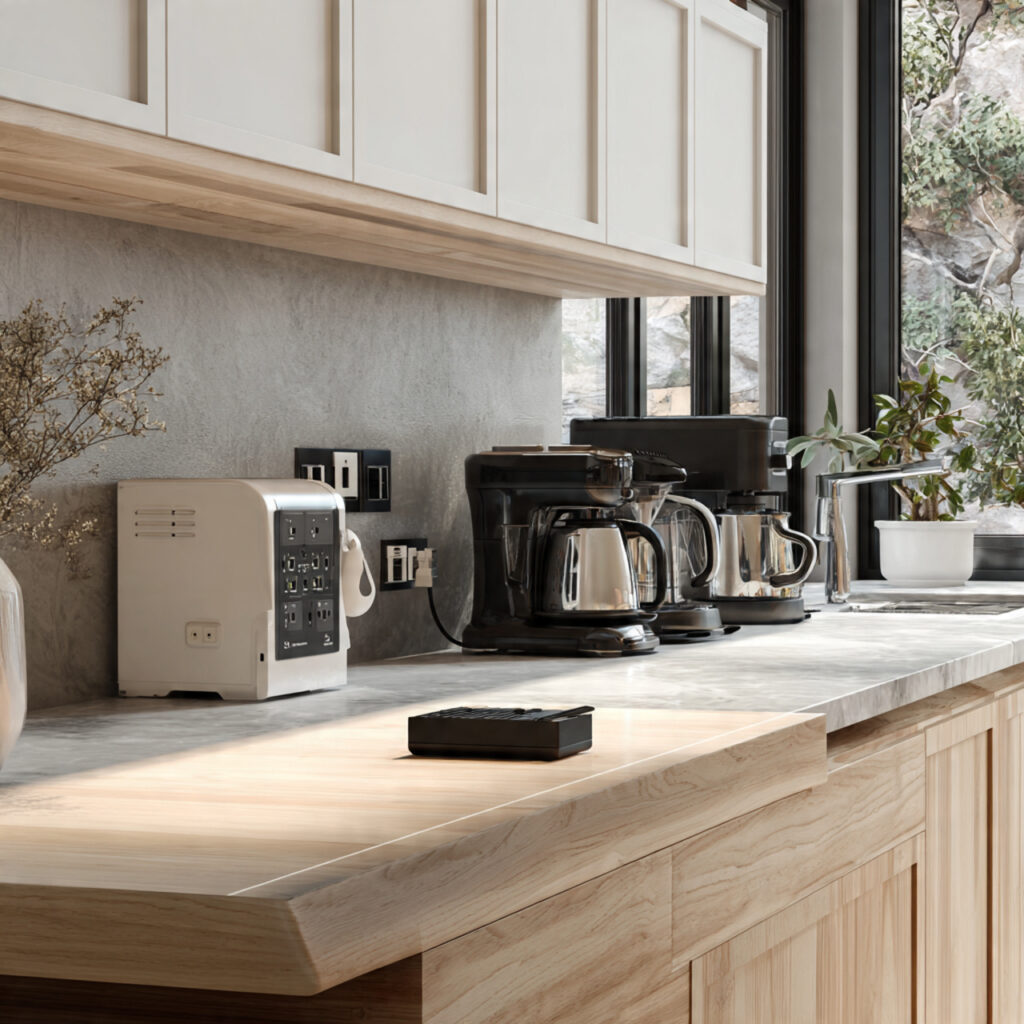
Smart power strips shut off electricity to devices not in use, preventing phantom energy drain. This simple tool can save a surprising amount of energy over time.
They’re especially useful for appliances with standby modes. In a green kitchen, every watt saved counts.
Food Storage Innovations
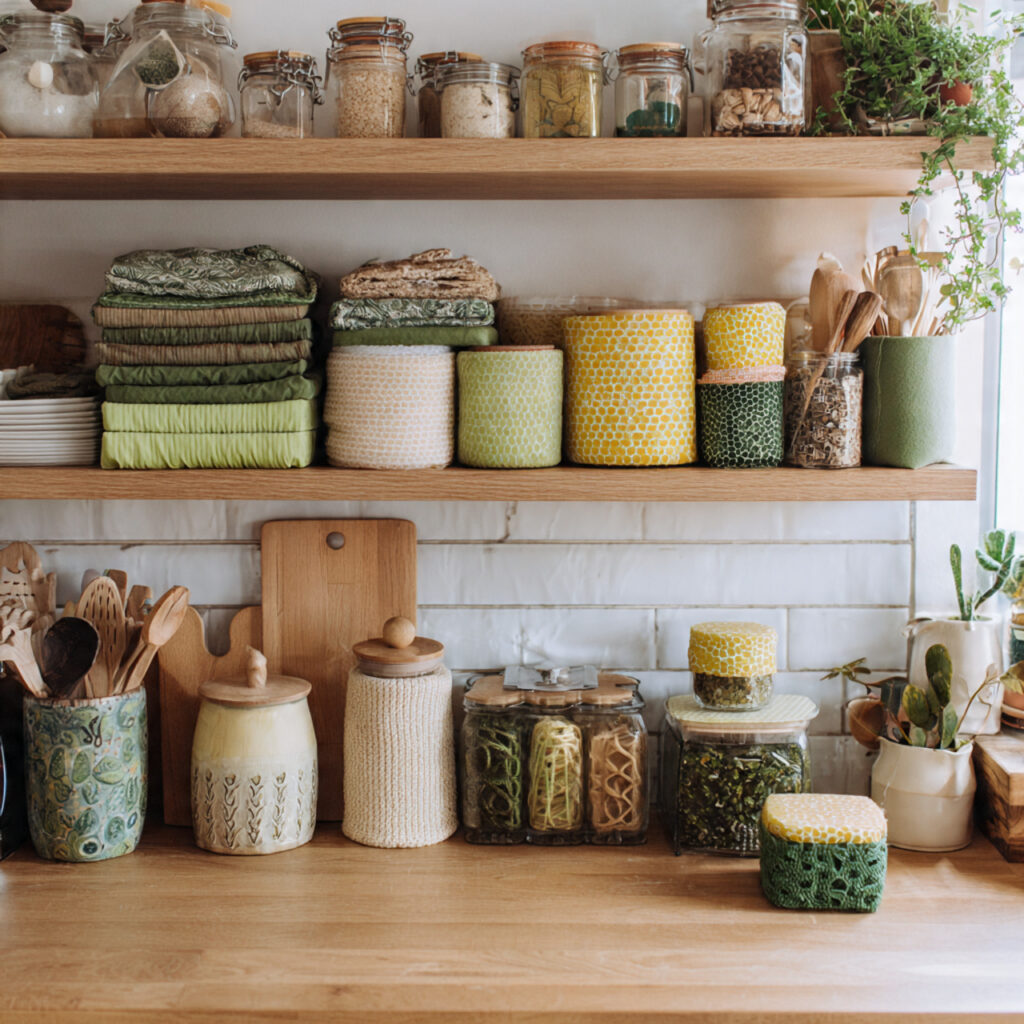
Beeswax wraps, silicone lids, and cloth bowl covers are practical alternatives to plastic wrap. They keep food fresh and are reusable.
Over time, switching to these solutions eliminates countless pieces of plastic from your routine. It’s another step closer to a truly green kitchen.
Eco-Friendly Rugs & Textiles

Organic cotton, jute, and hemp rugs bring texture and warmth to your kitchen. They’re free from harmful dyes and chemicals.
These textiles complement sustainable design while offering durability and softness. They complete the look of a green kitchen naturally.
Rainwater Collection for Plants

If you grow herbs or kitchen plants, you can water them using collected rainwater. It’s free, clean, and reduces tap water usage.
This small but meaningful practice integrates nature into your daily habits. Every drop saved supports the values of a green kitchen.
5 FAQs About Green Kitchens
Q1: Is a green kitchen more expensive to build?
A green kitchen can sometimes cost more upfront, especially if using premium sustainable materials or high-efficiency appliances. However, long-term savings on utilities and maintenance often offset the initial investment.
Q2: What’s the easiest upgrade to make my kitchen greener?
Switching to LED lighting and natural cleaning products is a fast, affordable change. These small updates still make a noticeable impact on your energy use and indoor air quality.
Q3: Do eco-friendly appliances really save money?
Yes, energy-efficient appliances lower electricity and water consumption. Over several years, the savings can be substantial—sometimes hundreds of dollars.
Q4: Can I make my kitchen green without remodeling?
Absolutely. Using reusable containers, adding plants, composting, and switching to low-VOC products are easy changes that require no renovation.
Q5: Are sustainable materials as durable as traditional materials?
Many sustainable materials, like bamboo or recycled glass, are just as durable—sometimes even stronger. They are engineered for long life and low maintenance.
Conclusion
Creating a green kitchen is one of the most meaningful ways to adopt a healthier, more sustainable lifestyle. With the right materials, thoughtful design, and mindful habits, you can transform your cooking space into an environmentally supportive and beautiful part of your home. Whether you take small steps or plan a full renovation, every change you make brings you closer to the long-term benefits of a green kitchen—better health, lower costs, and a lighter footprint on the planet.