22 Stunning Floating Staircase Ideas for a Sleek, Open Interior
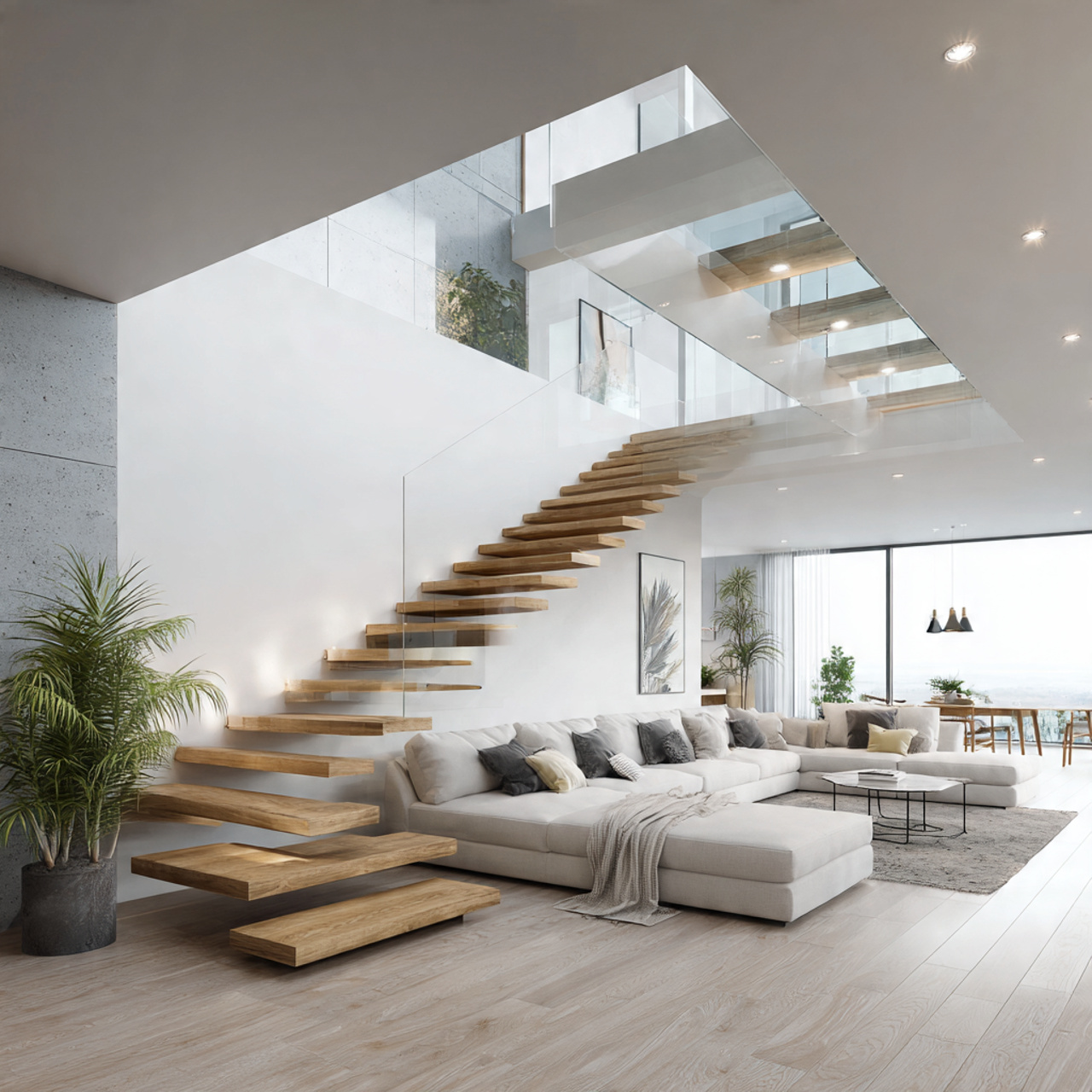
A floating staircase has become one of the most defining features of modern interiors, blending structural engineering with sculptural beauty. Homeowners, architects, and designers lean toward this style because it opens up floor plans, enhances natural light, and transforms stairs from a functional element into a striking architectural centerpiece. The appeal of a floating staircase also comes from its ability to match many design languages—minimalist, industrial, Scandinavian, luxury, and more—without overwhelming a space. This makes it one of the most versatile upgrade choices for both new construction and renovations.
Because a floating staircase removes heavy visual barriers, it has become closely tied to the push toward open-concept living. With the help of concealed brackets and cantilevered steps, the staircase appears to “float,” allowing for full visibility across rooms. Designers use this trick to create larger-looking interiors, even in small homes. Whether it’s wood, steel, or glass, the material choices allow the floating staircase to adapt to high-end residences, loft-style apartments, and commercial spaces. Its ability to stay timeless while still looking cutting-edge explains why this design continues to trend worldwide.
The Appeal of Minimalist Open-Riser Forms
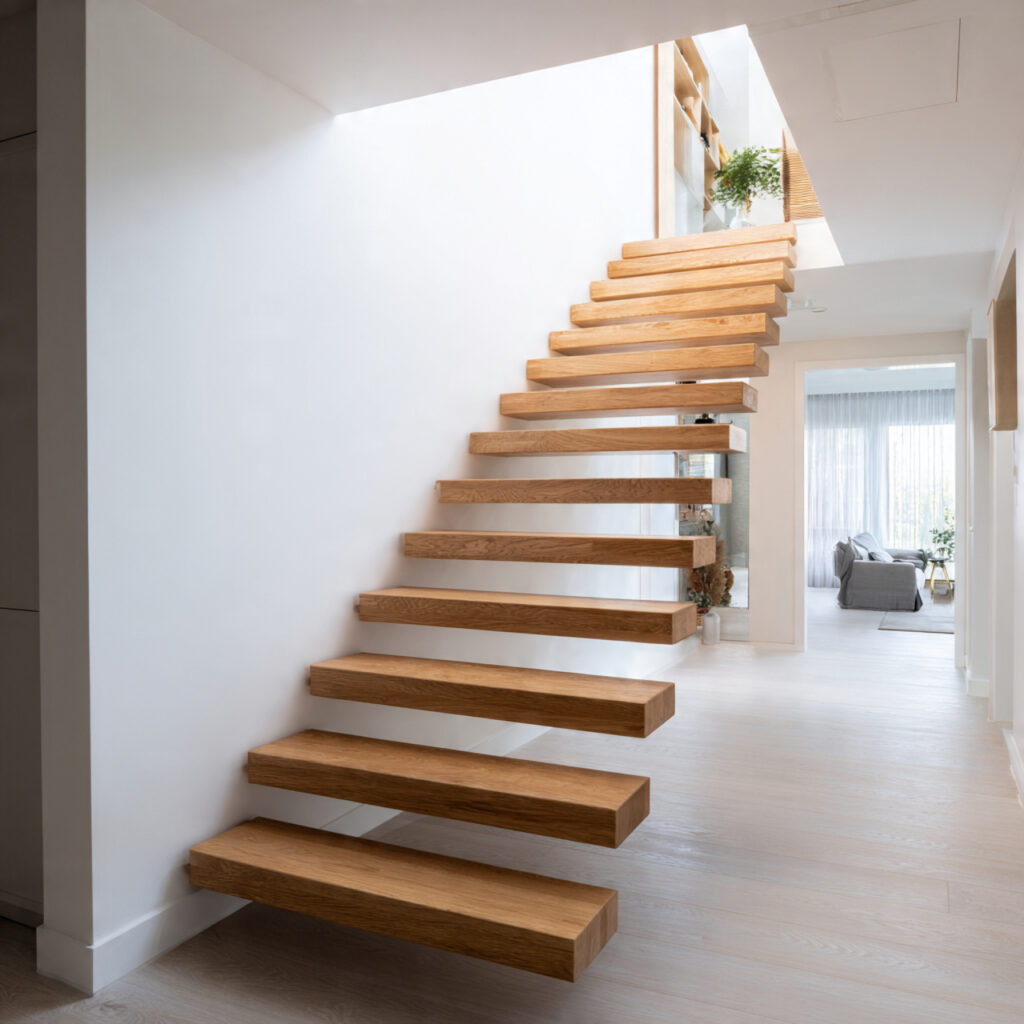
The minimalist look of open-riser steps brings an airy feel that many homeowners seek. Because the treads appear independent, a floating staircase helps light travel throughout the room, reducing the heavy appearance typical of traditional staircases. It creates a soft transition between floors rather than a hard, boxed-in structure.
Many designers love this style because it visually cleans up the environment. Open risers eliminate visual clutter and make layouts feel refreshed and simplified. When paired with natural materials like oak or walnut, the floating staircase becomes a warm yet modern piece that anchors the room without overwhelming it.
The Illusion of More Space
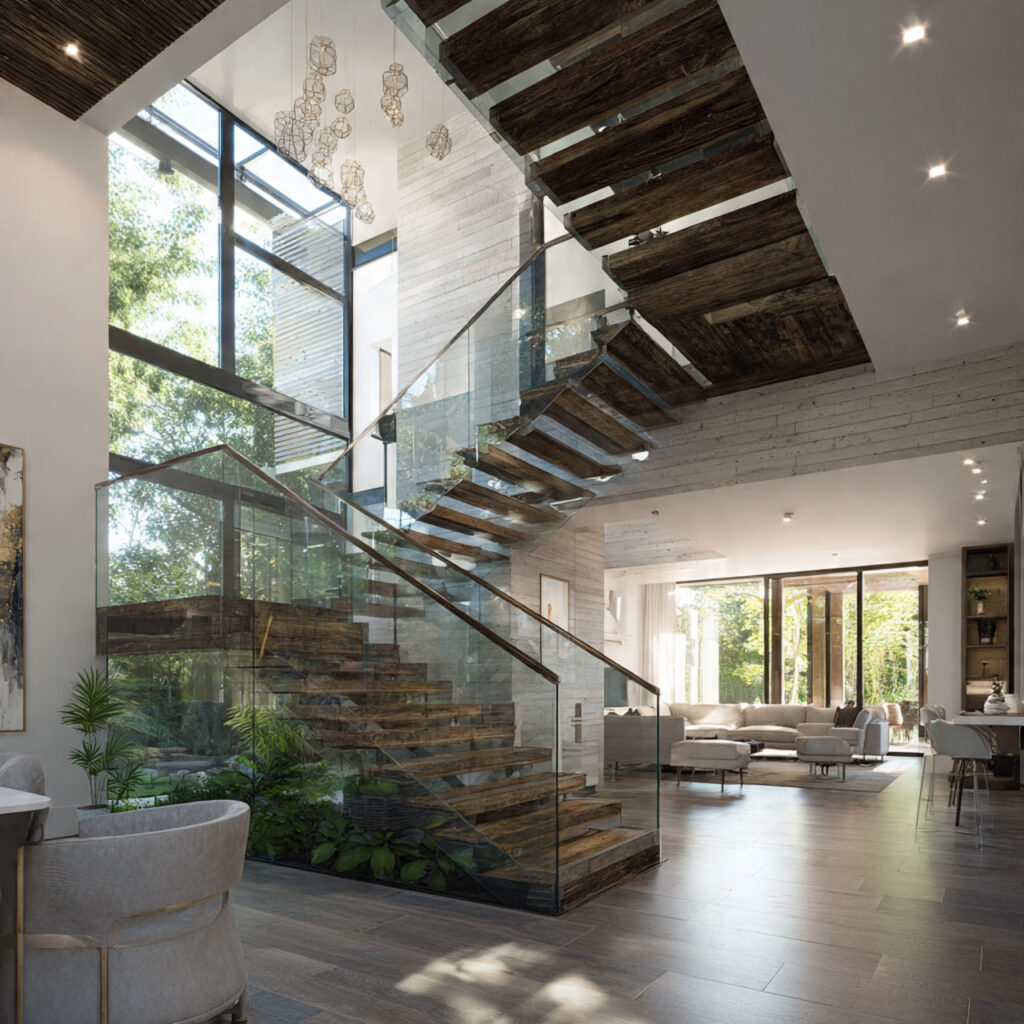
A floating staircase creates the illusion of a bigger interior because it leaves sightlines unobstructed. Instead of a bulky staircase that blocks windows or divides rooms, the floating design makes the home feel more open and breathable. This effect is especially valuable in compact homes, lofts, and townhouses.
Even in luxury homes with larger footprints, the floating staircase enhances grandeur by making corridors and entryways feel expansive. When natural light flows through the open risers, it brightens the room, creating a seamless connection between floors.
Blending Architecture and Sculpture
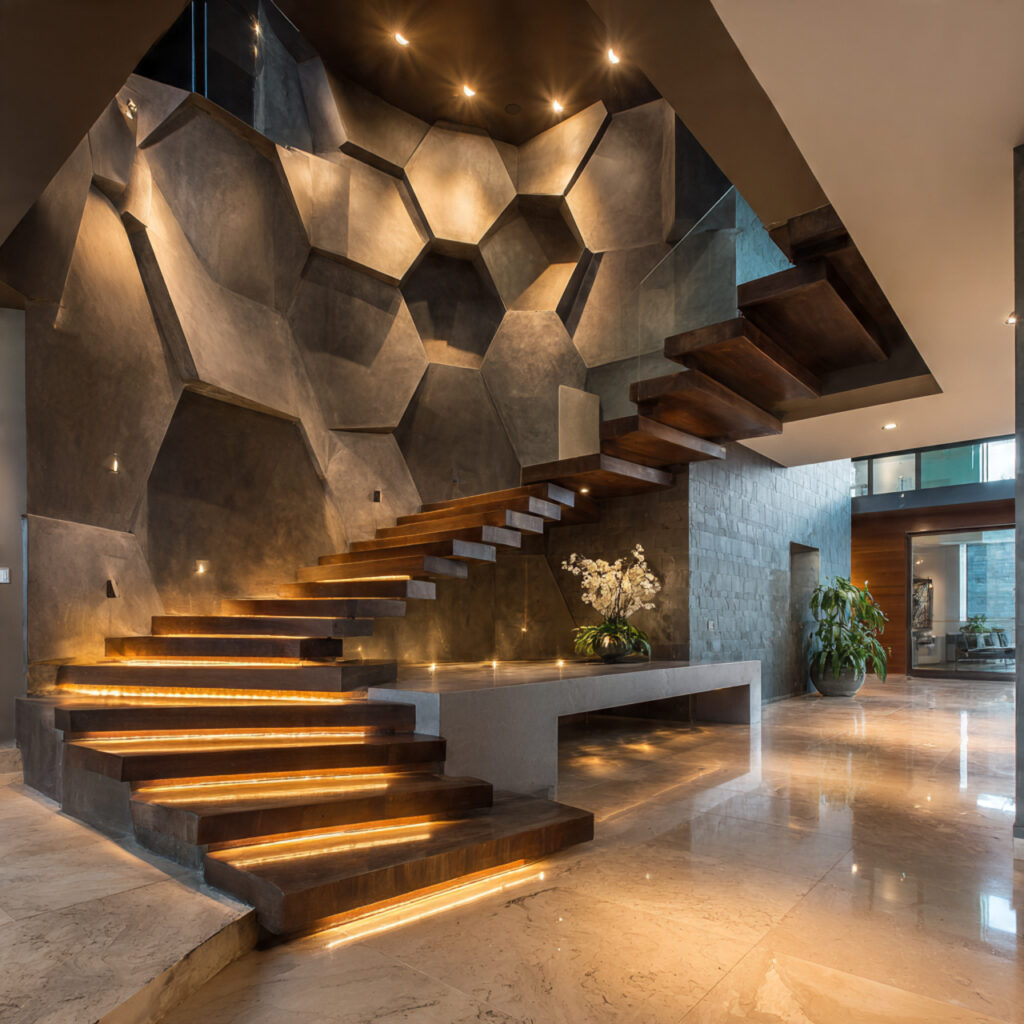
A floating staircase often doubles as functional art. Its sculptural lines, cantilevered steps, and clean geometry elevate the aesthetic of any room. Instead of simply providing access, the staircase turns into a signature design feature that adds personality.
Architects frequently use floating stairs to create a focal point that draws attention the second someone steps into a home. Whether the style is sharp and modern or warm and organic, the sculptural quality makes the staircase feel like a deliberate work of art.
Versatility Across Interior Styles
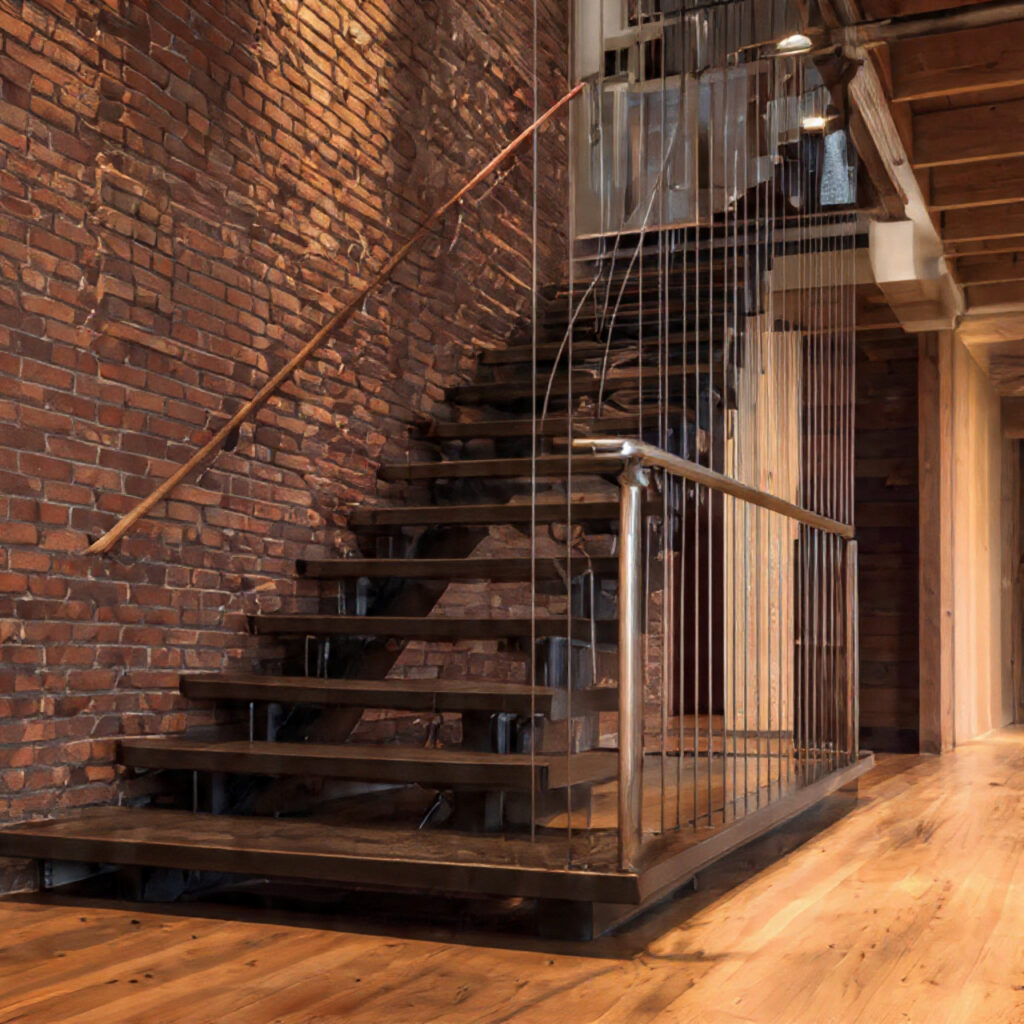
The floating staircase can adapt to nearly every major design theme, making it a flexible choice for diverse homeowners. In minimalist spaces, it creates calm visual order. In industrial interiors, steel stringers and concrete treads reinforce the raw aesthetic. In luxury homes, glass and polished materials elevate sophistication.
Because the floating staircase doesn’t box in the visual field, it blends effortlessly with surrounding décor. Designers often treat it as a complementary feature that enhances rather than competes with the main style of the home.
Customizable Material Choices
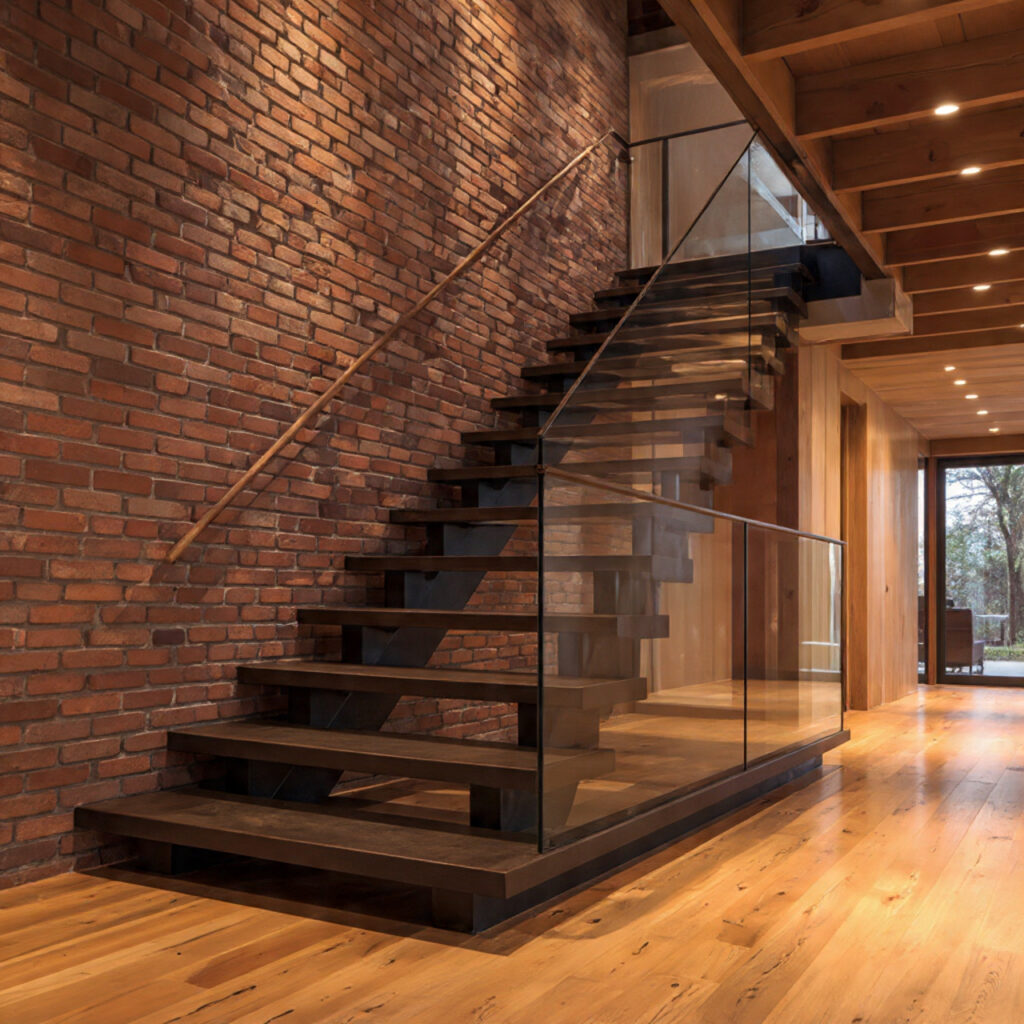
A floating staircase is highly customizable, allowing homeowners to choose materials that reflect their personality. Wood offers warmth and tradition, steel adds modern strength, and glass gives a sleek contemporary finish.
The combination of materials—such as glass balustrades with wooden treads—creates unique, personalized designs. This flexibility makes the floating staircase suitable for everything from coastal homes to urban penthouses.
Structural Engineering Behind the Look
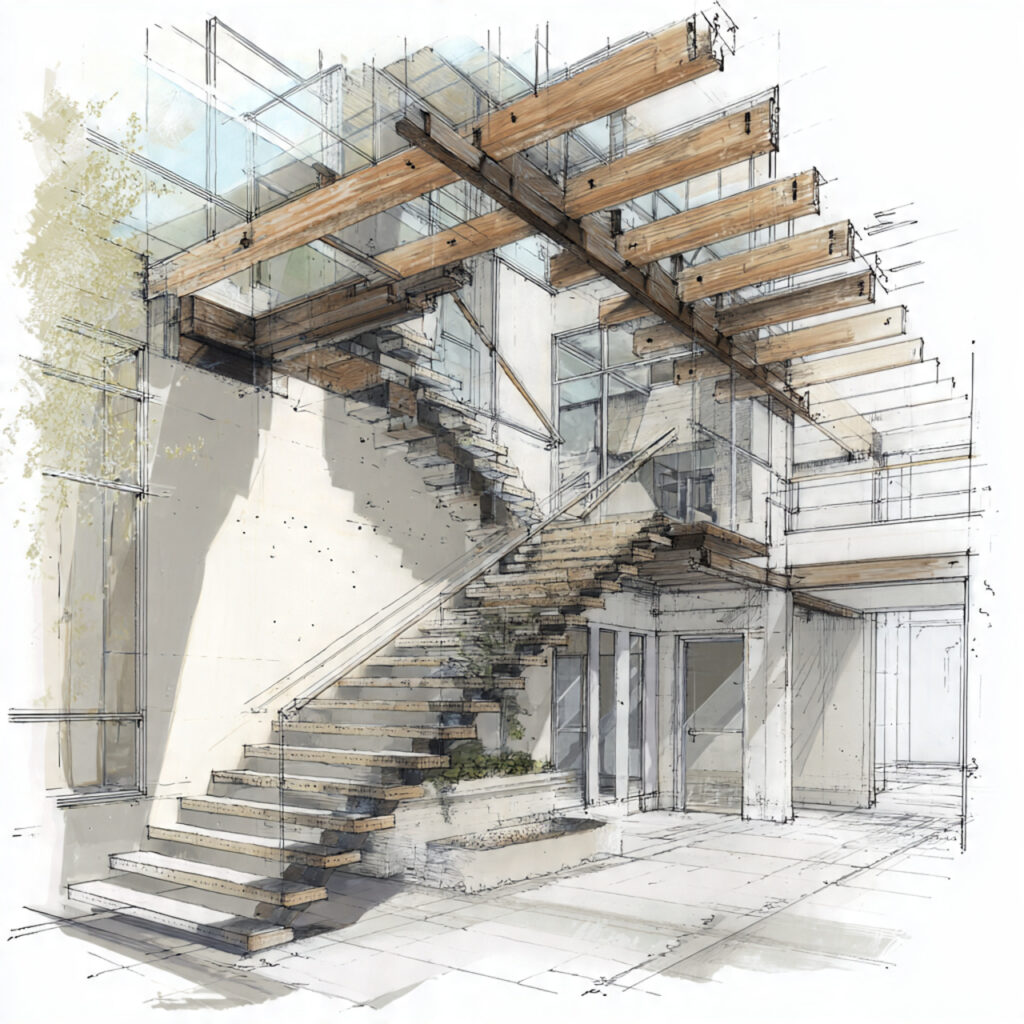
Behind the elegance of a floating staircase lies serious engineering. Each tread is supported through hidden brackets, steel frames, or cantilevered beams embedded into load-bearing walls. The structural system ensures that the staircase is not just visually impressive but also secure and durable.
Professional engineering analysis is essential to calculate load distribution and proper anchoring. This ensures long-term stability regardless of materials used. Even though the staircase looks light, its underlying structure is incredibly strong.
Safety Features in Modern Designs
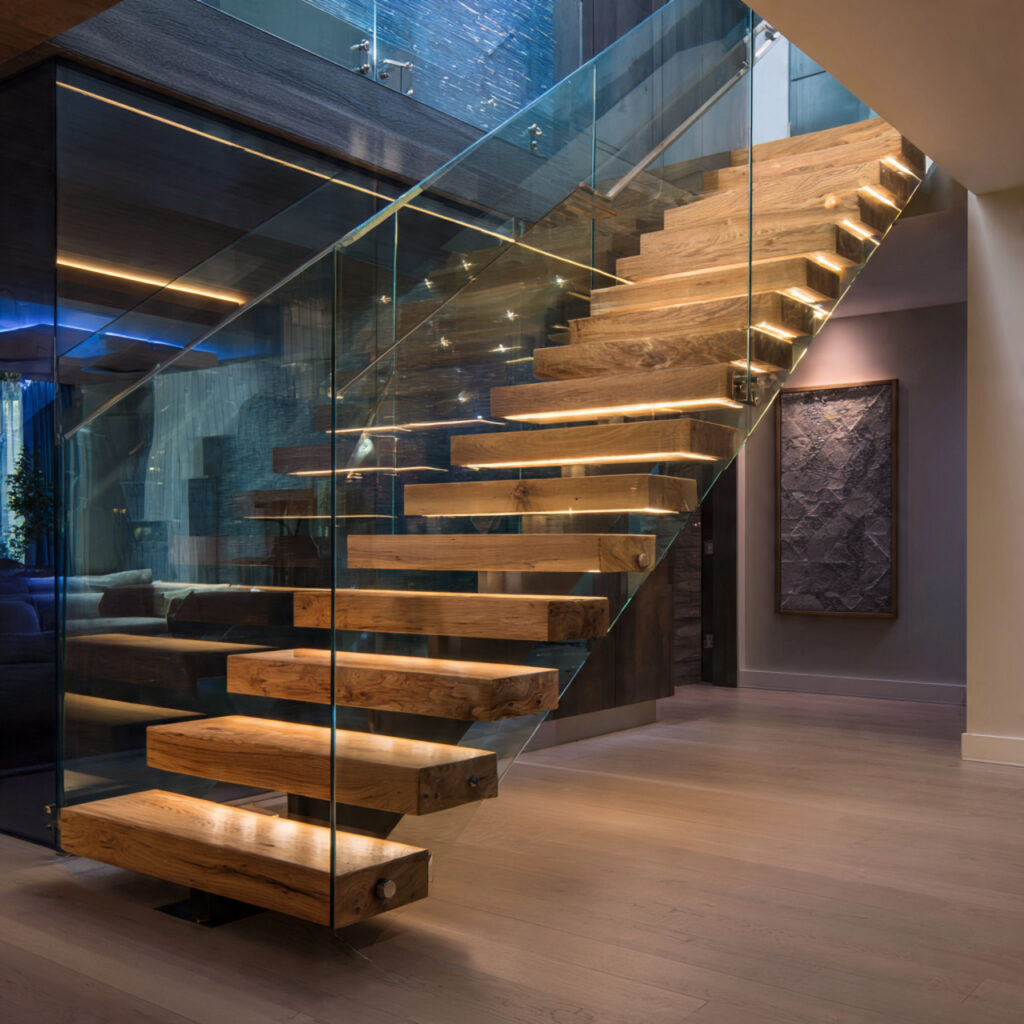
Modern floating staircases come with advanced safety features that don’t interfere with aesthetics. Non-slip treads, strengthened support systems, and safety-rated glass help maintain security and comfort.
Handrails and guardrails can be designed to match the style—sleek metal rails for industrial designs, glass balustrades for a minimalist look, or wooden rails for a natural feel. These features ensure that the floating staircase maintains an elegant yet safe presence.
Maximizing Natural Light
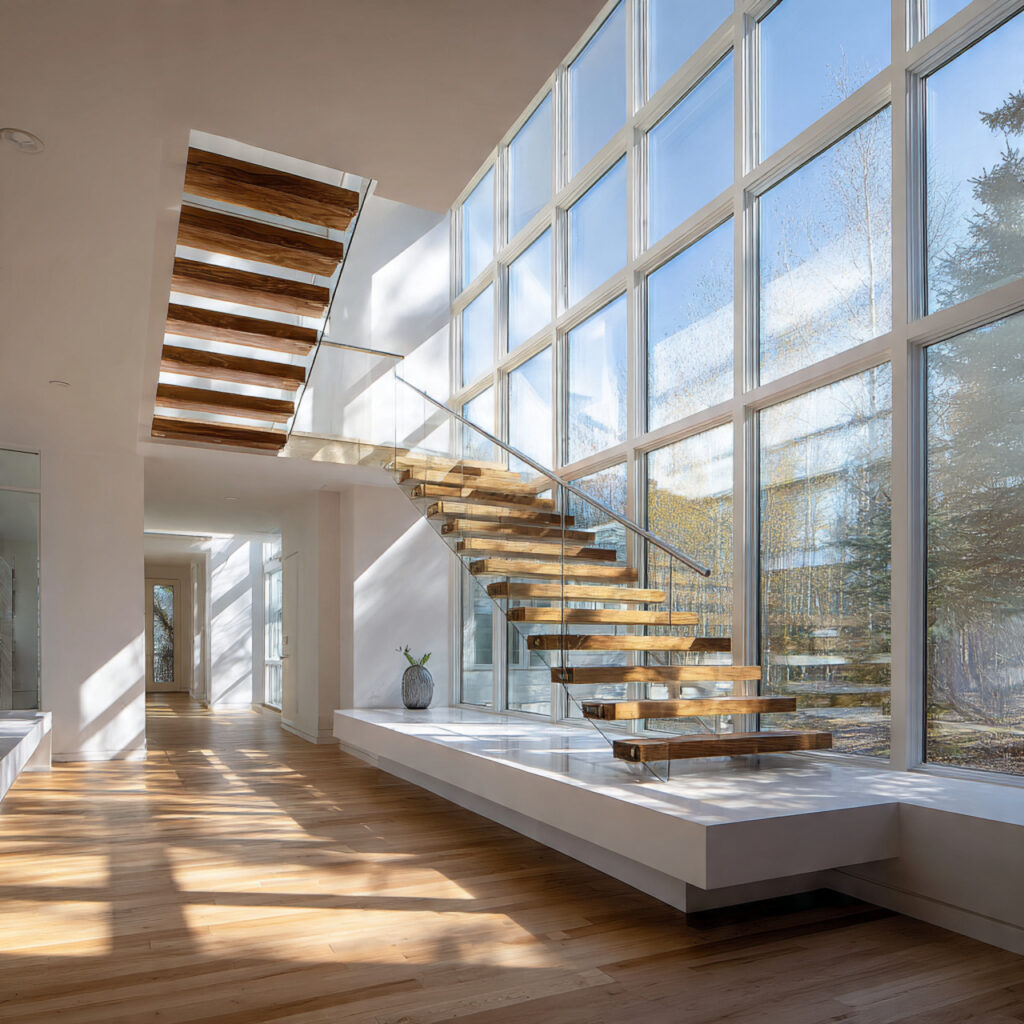
A floating staircase is known for allowing natural light to pass freely through open risers and transparent materials. This helps brighten interiors, reduce shadows, and improve the overall atmosphere of a space.
Homes with limited windows particularly benefit from this design. Instead of blocking light, the floating staircase distributes it, making small spaces feel bigger and warmly illuminated.
Perfect for Open-Concept Layouts
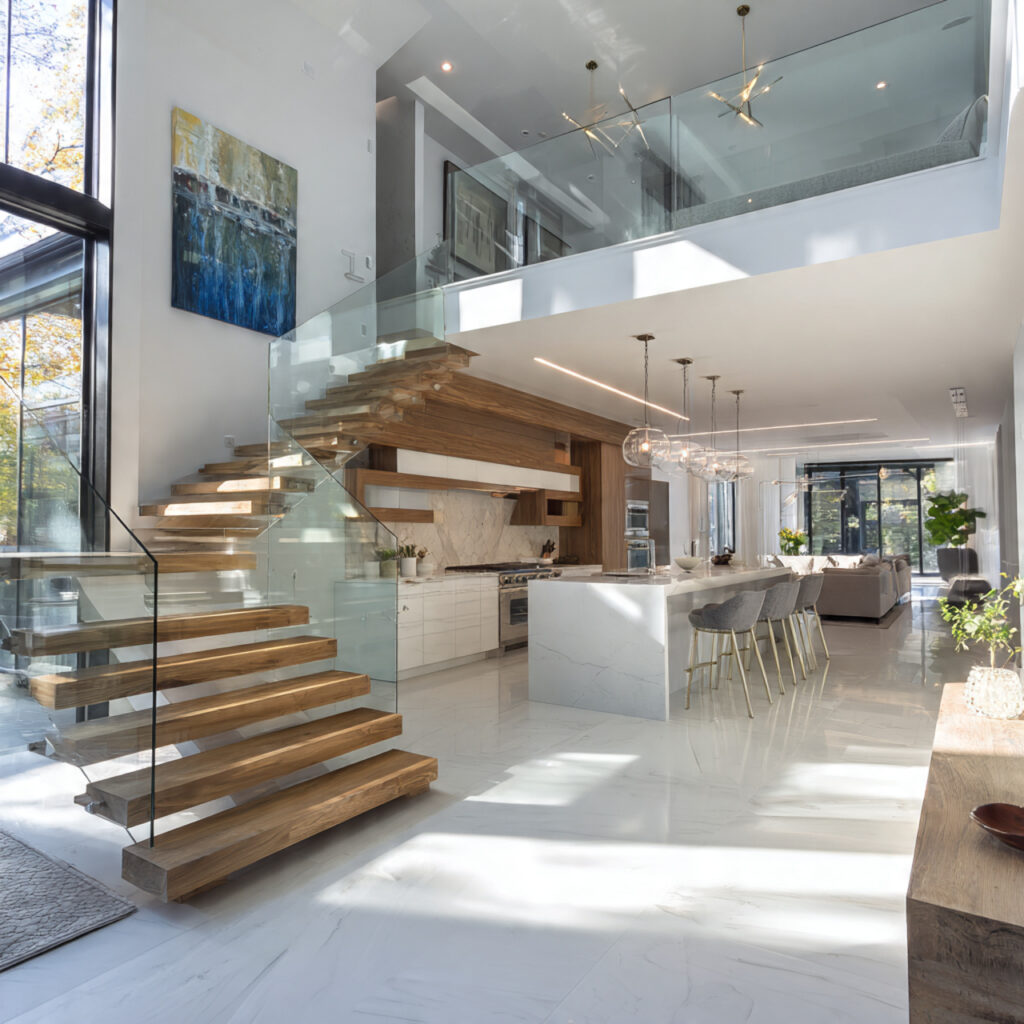
Because open-concept designs rely on continuous visual flow, the floating staircase is a natural fit. Its architectural transparency supports the goal of creating connected living spaces.
This type of staircase blends into the background without compromising functionality, making the layout feel cohesive. It enhances the modern aesthetic without breaking the openness of the room.
A Luxury Statement Piece
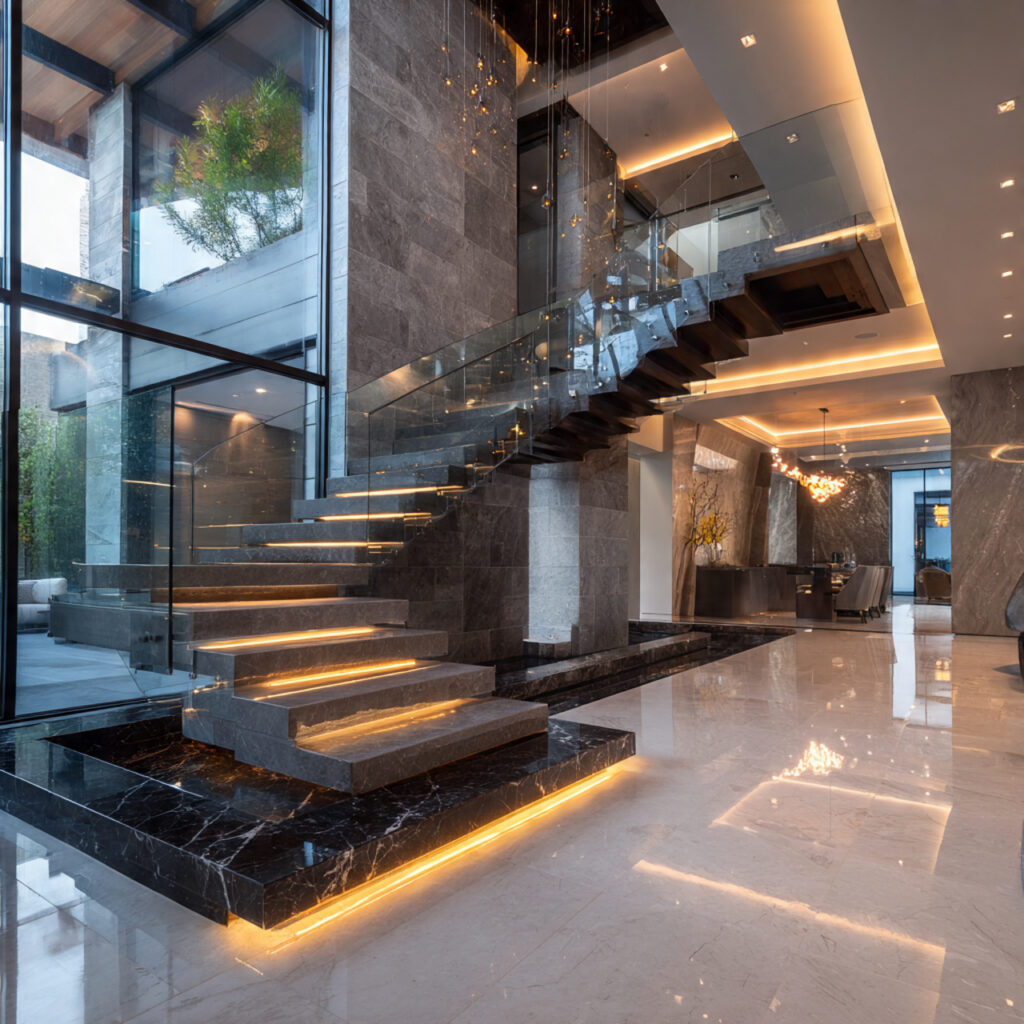
Floating staircases often serve as luxury statement pieces in high-end homes. Their refined structure and dramatic appearance create instant visual impact. Whether installed in a grand entryway or a contemporary loft, the floating staircase elevates the perceived value of the environment.
Luxury developers frequently include floating staircases because buyers associate them with craftsmanship and elite design. Their presence can transform a simple home into an upscale residence.
Space-Saving Benefits
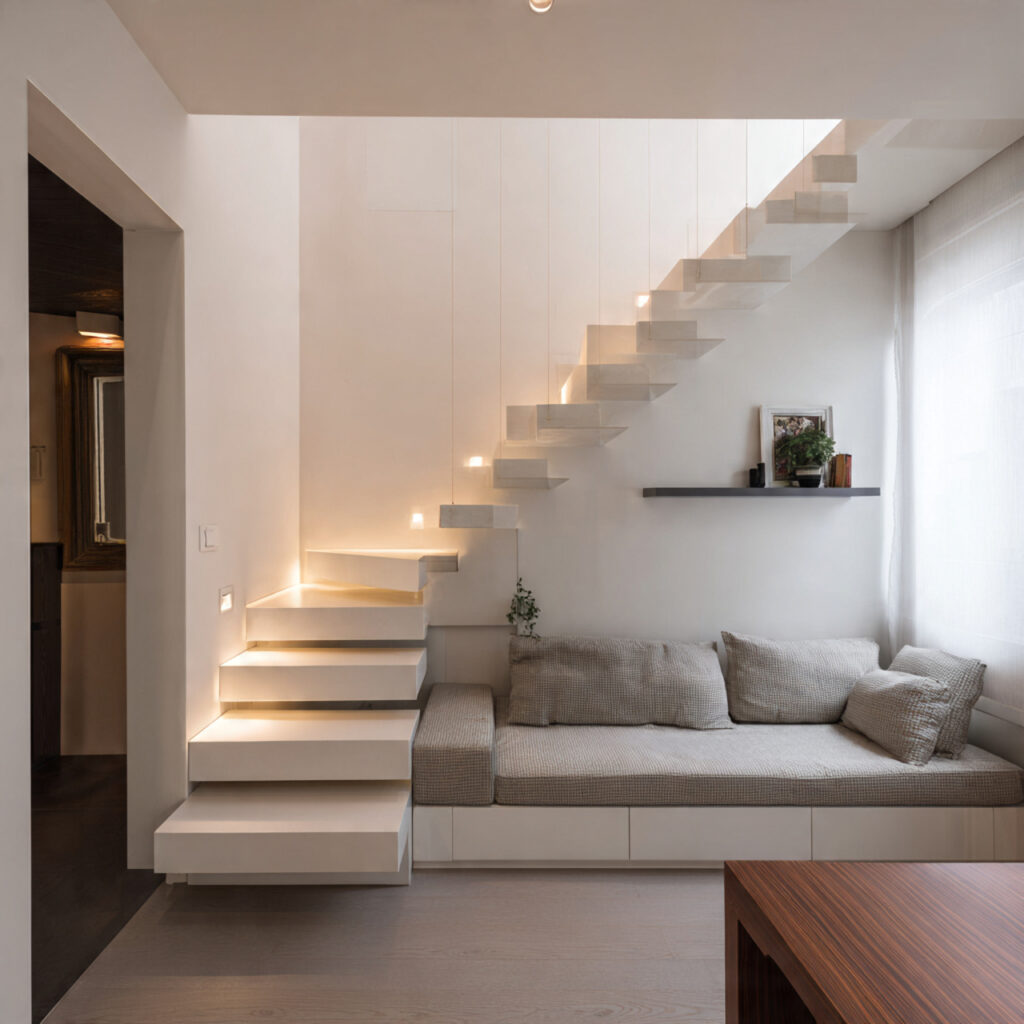
The floating staircase works brilliantly in smaller or narrower homes because of its open structure. Without bulky under-stair supports, the space below can be used for storage, shelving, or decorative pieces.
Compact floating staircases can also be customized to fit tight spaces without compromising comfort or safety. This makes them ideal for modern urban living.
Durability Across Materials
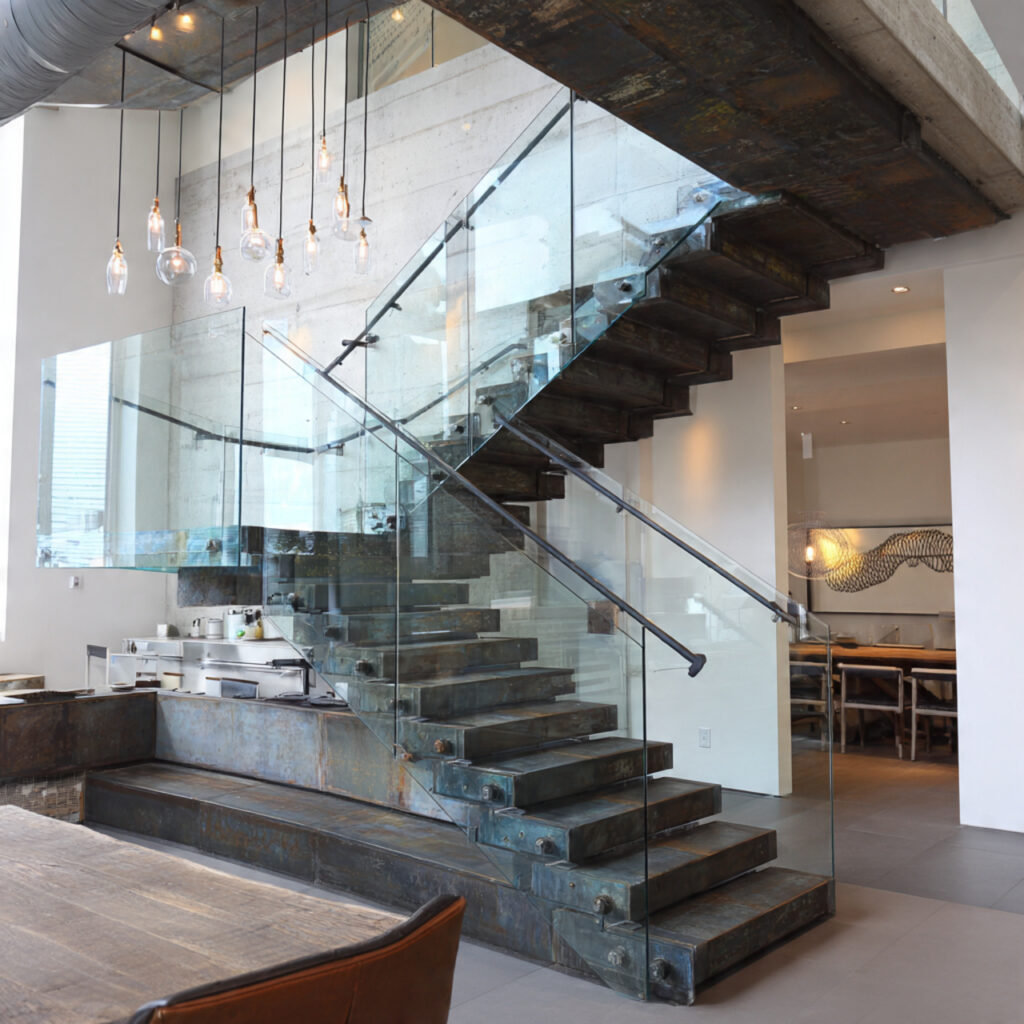
Despite their airy appearance, floating staircases are designed to last. Materials like steel, tempered glass, and hardwood offer long-term strength and resistance to wear.
Even wood treads are engineered for durability through treatments and coatings that prevent warping and scratches. This makes the floating staircase a reliable long-term investment.
Importance of High-Quality Installation
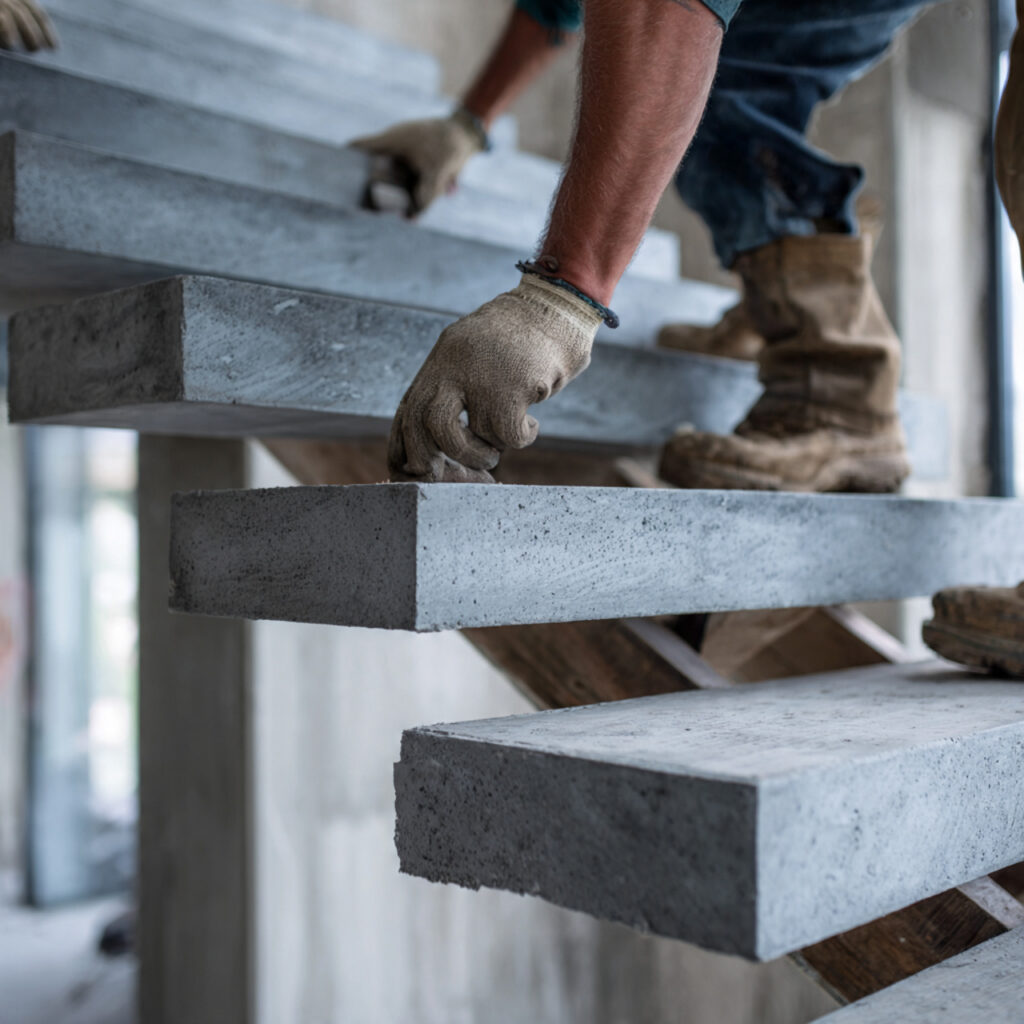
The success of a floating staircase depends heavily on installation quality. Professional installers ensure correct anchoring, alignment, and load-bearing capacity. Proper installation guarantees that the staircase functions safely and looks flawless.
Cutting corners on installation can lead to squeaks, misalignment, or safety issues. This is why homeowners typically partner with experienced engineers and staircase specialists.
Glass for a Modern Touch
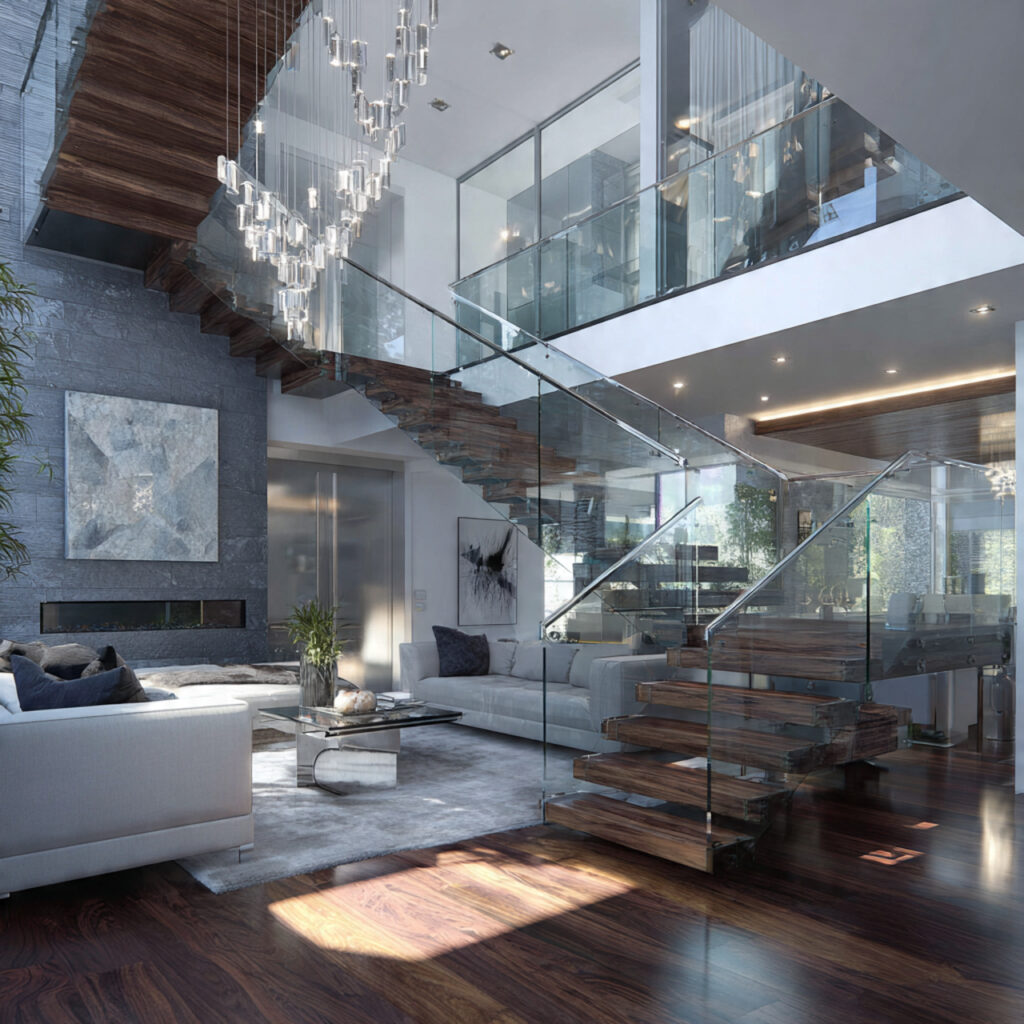
Glass elements elevate the floating staircase’s elegance, giving it a sophisticated and contemporary feel. Glass railings or side panels create transparency while keeping safety intact.
Laminated and tempered glass ensure durability and protection. These panels also enhance light distribution, making rooms feel brighter and more spacious.
Visit Also: Green Kitchen
Wood for Warmth and Character
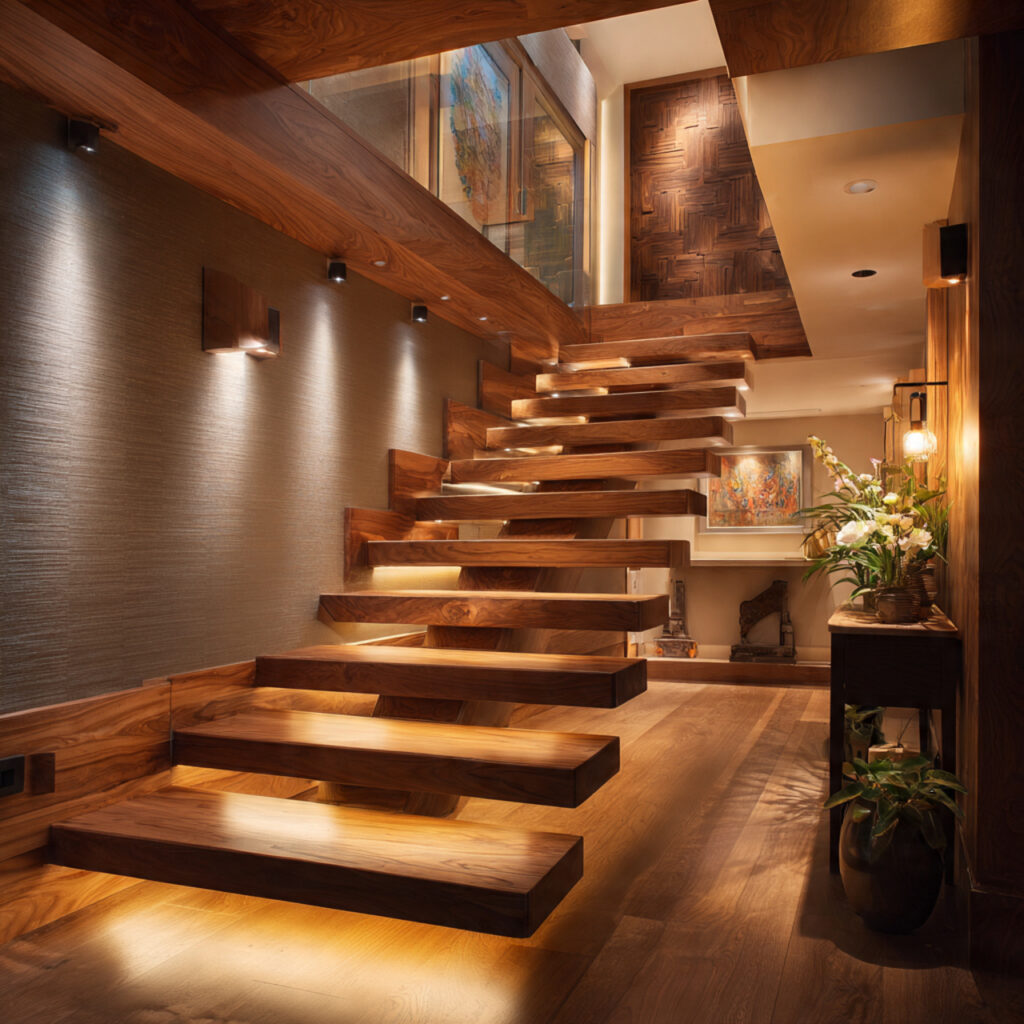
Wood remains a favorite material for floating staircases because of its natural warmth and timeless appeal. It softens modern spaces and ties in well with various décor choices.
Different species like oak, walnut, and maple offer diverse textures and tones. Stain choices allow full customization, making wood adaptable to either rustic or modern looks.
Steel for Industrial Strength
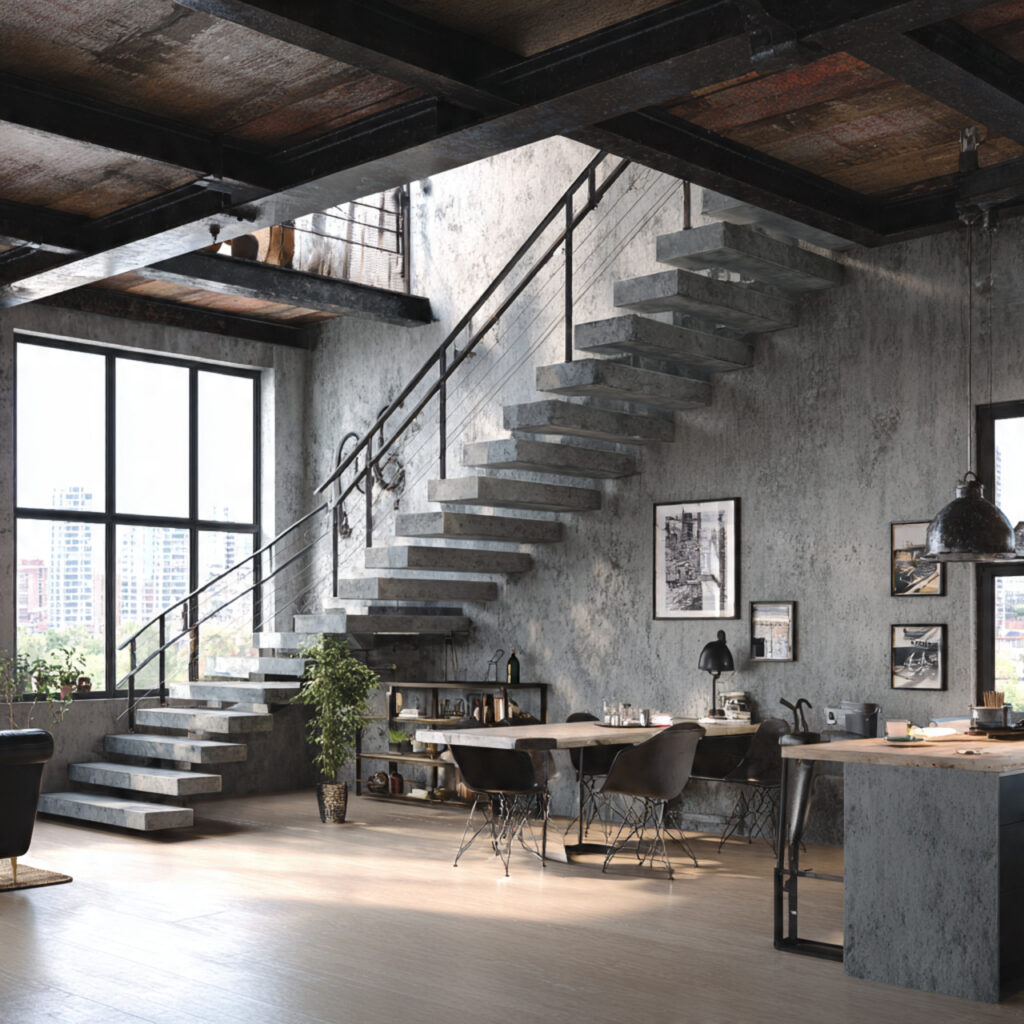
Steel floating staircases exude strength, durability, and a bold industrial aesthetic. They work beautifully in converted lofts, modern apartments, and commercial spaces.
Because steel is highly customizable, it can be fashioned into thin stringers or geometric shapes that enhance the sculptural presence of the staircase.
Concrete for Bold Designs
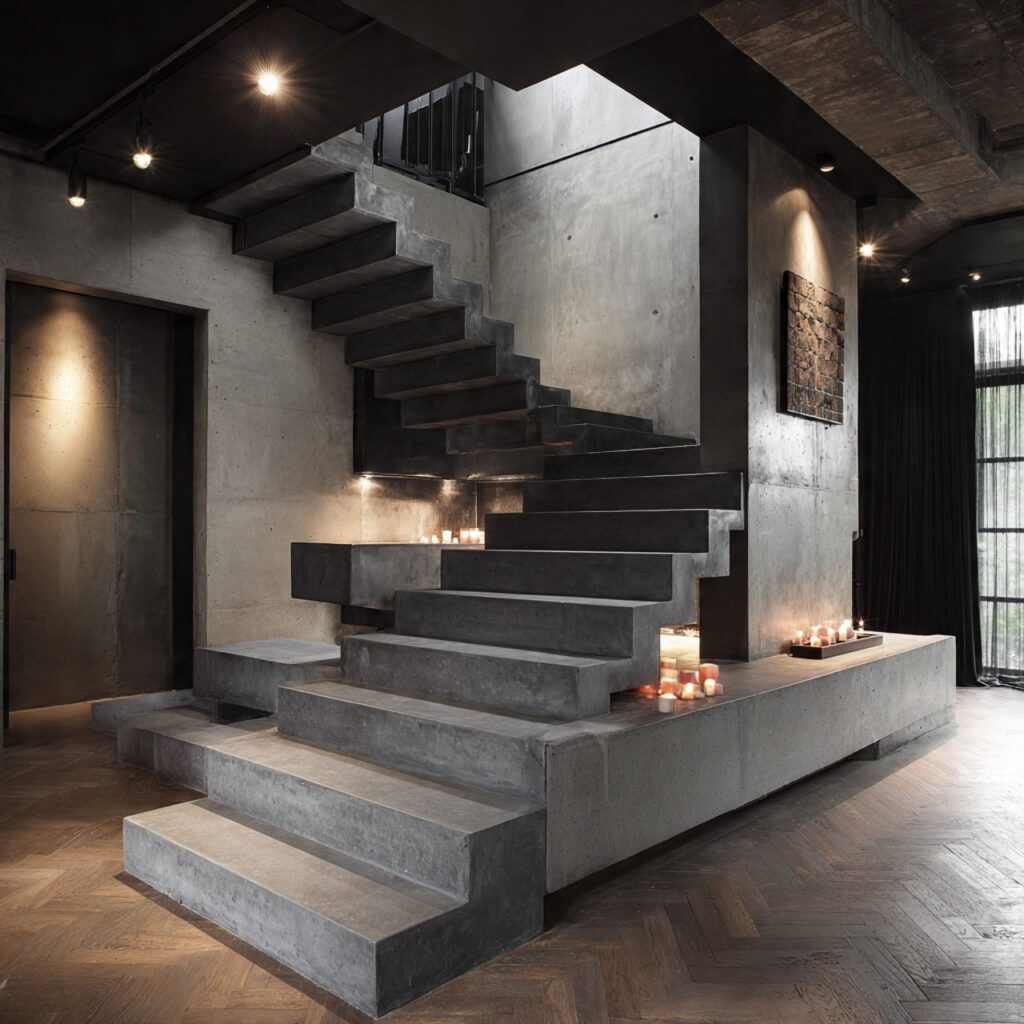
Concrete floating staircases bring a bold, architectural feel to interiors. Their weight requires strong support systems, but when properly engineered, they deliver unmatched durability and style.
This choice is popular for minimalistic and industrial environments where clean lines and raw textures dominate.
Integrating Lighting Features
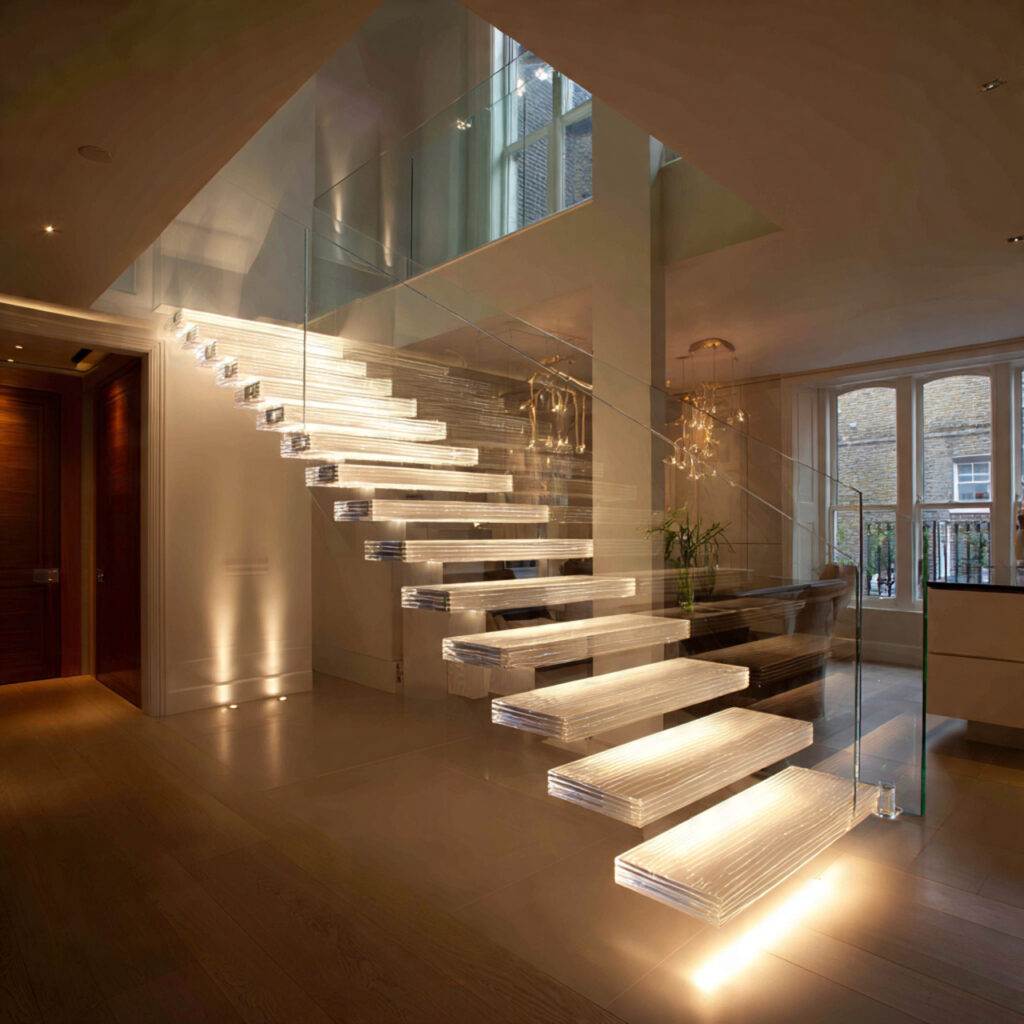
Integrated LED lighting adds dramatic flair to any floating staircase. Lights along the treads or under the handrails enhance visibility and create a warm evening ambiance.
Lighting also emphasizes the architectural silhouette of the staircase, turning it into a night-time focal point that elevates the entire room.
How Floating Staircases Add Home Value
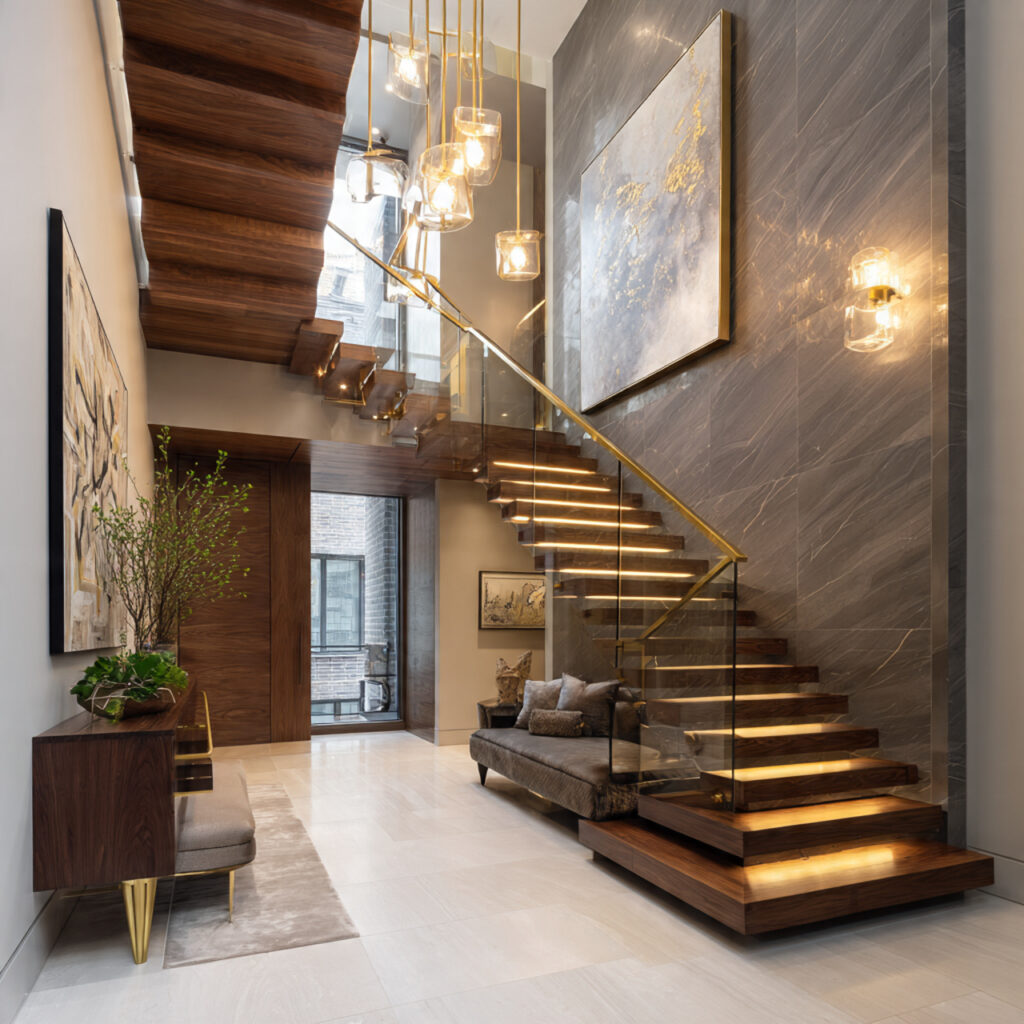
Homes featuring a floating staircase often sell for higher prices because buyers view them as premium upgrades. They elevate the property’s aesthetic and modern appeal, adding perceived luxury.
Real estate agents frequently highlight floating staircases as a standout feature during showings, increasing the home’s desirability.
Cleaning and Maintenance Tips
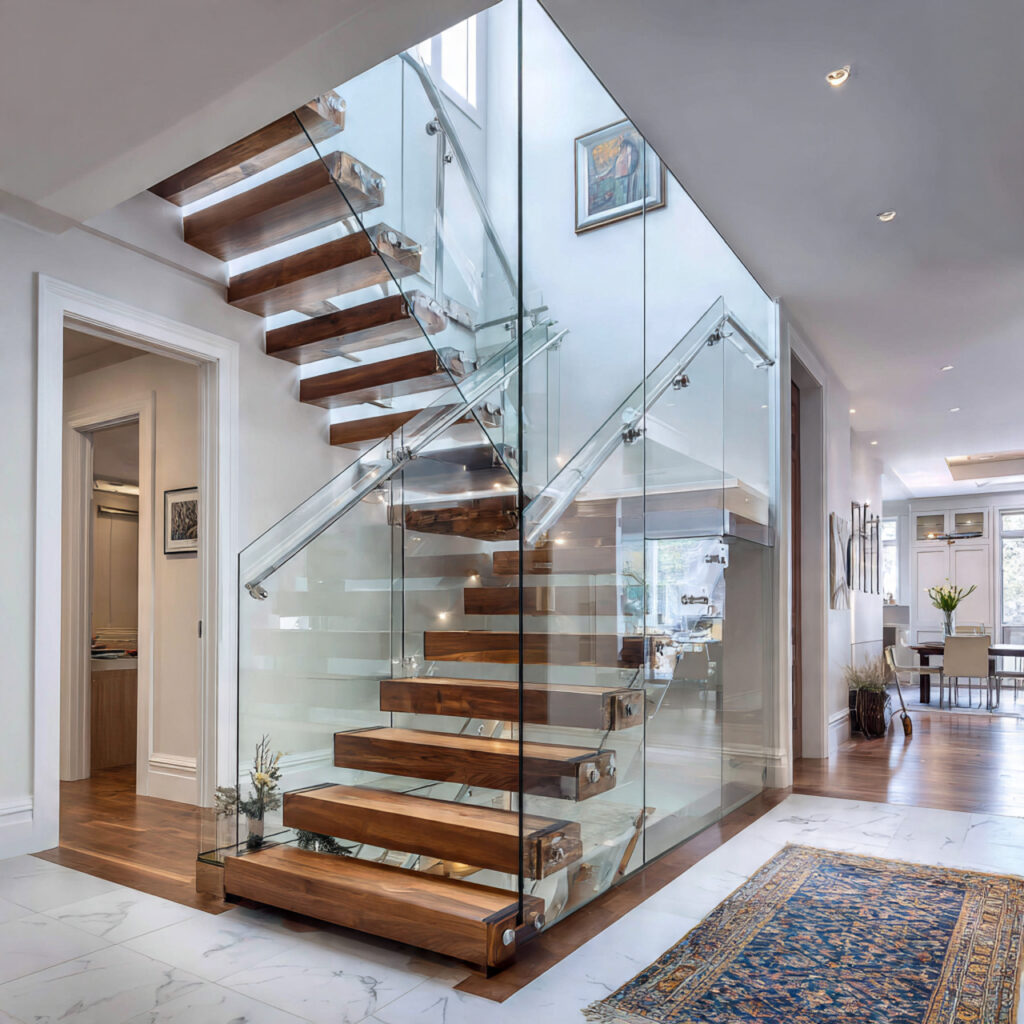
Floating staircases require minimal maintenance, especially those made of steel or glass. Simple dusting and surface cleaning keep them looking pristine.
Wood treads may need occasional polishing, while glass surfaces benefit from streak-free cleaners. With regular care, a floating staircase maintains its beauty for decades.
Staying Timeless in Design
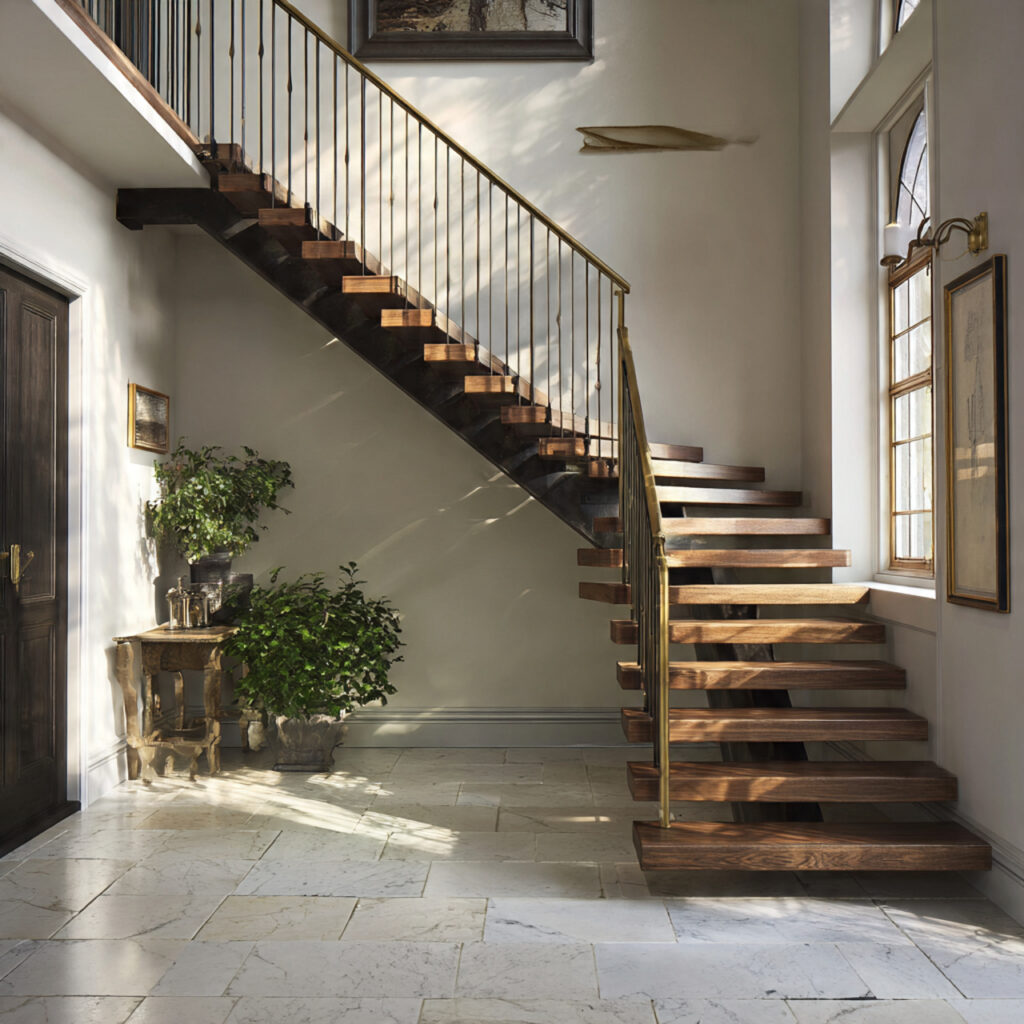
Floating staircases have remained popular because they blend classic simplicity with modern innovation. Their ability to visually expand space ensures that they will never feel outdated.
Designers continue to update materials and styles, keeping the floating staircase relevant through every interior design trend cycle.
Eco-Friendly Material Options
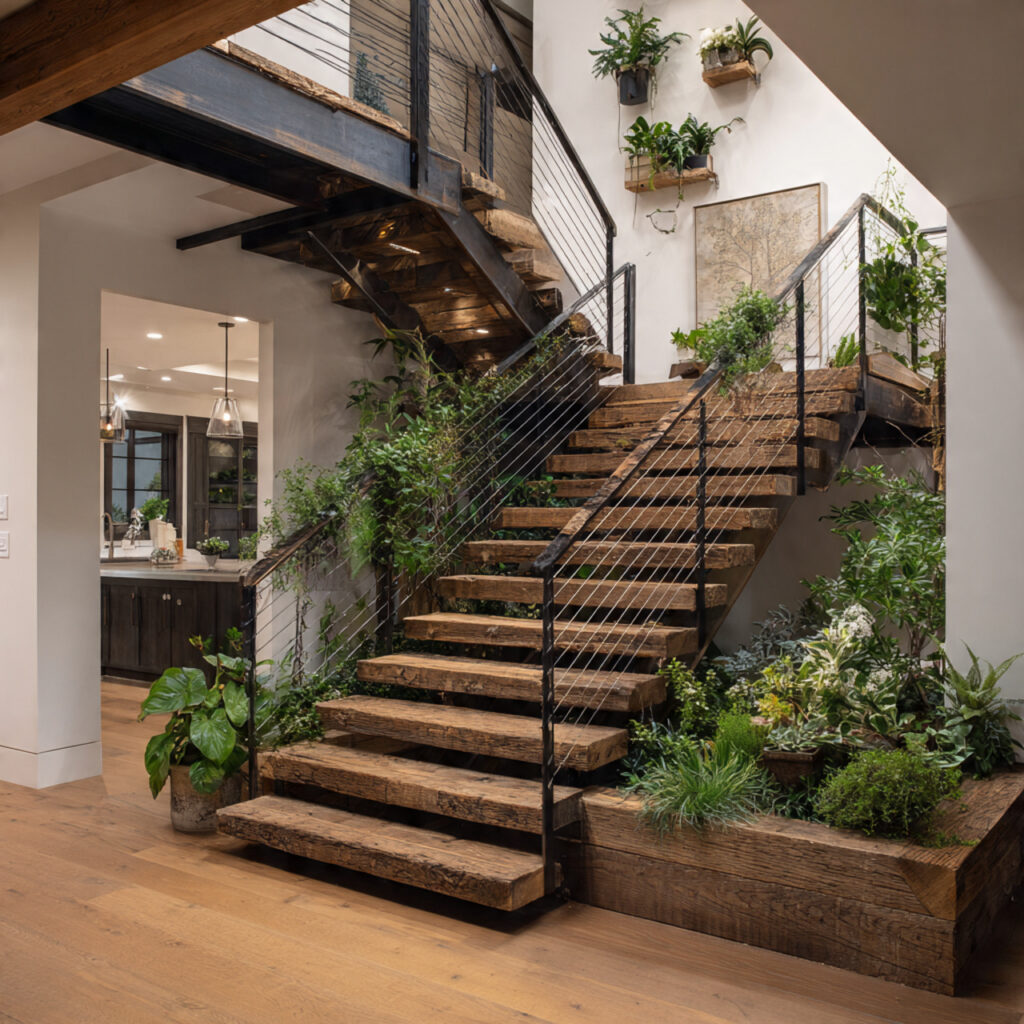
Sustainable materials like reclaimed wood, recycled steel, and low-VOC finishes make the floating staircase an eco-conscious choice. Homeowners focused on green living appreciate how easily this design adapts to environmentally responsible materials.
These choices reduce environmental impact while still delivering elegance and long-term durability.
FAQ
What is the weight capacity of a floating staircase?
Most floating staircases are engineered to hold between 300–500 pounds per step, depending on materials and construction. A structural engineer confirms final load ratings.
Are floating staircases safe for children or pets?
Yes, when built with safety rails, non-slip treads, and proper spacing. Closed sides or glass panels can add extra protection.
How long does installation typically take?
Most installations take between 2–5 days, depending on design complexity and structural requirements.
Do floating staircases require a load-bearing wall?
Cantilevered designs typically do, but mono-stringer and central-beam designs can work without a load-bearing wall.
Can floating staircases be installed during renovations?
Absolutely. Many homeowners upgrade from traditional staircases to floating designs during remodeling, though structural adjustments may be needed.
Conclusion
A floating staircase offers far more than a modern look—it transforms the entire flow and perception of a home. Its combination of lightness, structural innovation, and customizable design makes it one of today’s most impactful architectural upgrades. Whether the goal is to open up space, elevate luxury, or create a sculptural centerpiece, the floating staircase remains a top choice for homeowners and designers who want both function and beauty.