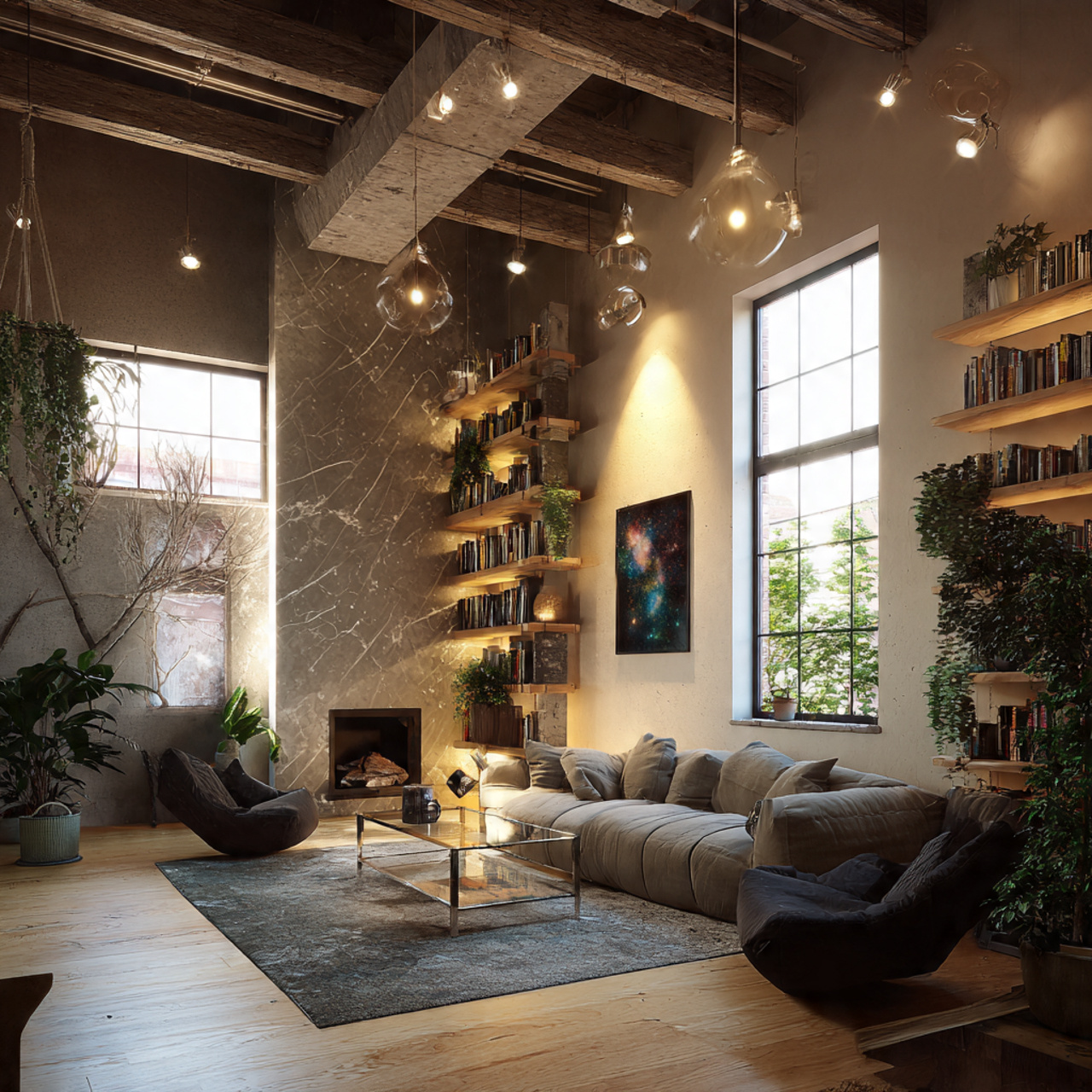
34 Living Room Design Ideas That Feel Stylish, Cozy, and Functional
Living room designs define how a home feels the moment someone steps inside. This area is where daily routines unfold, conversations happen, and relaxation becomes the focus after a long day. A thoughtfully planned layout considers comfort, proportion, lighting, and personality, creating a balance between aesthetics and everyday practicality. Rather than following trends alone, the most effective designs reflect how the space is actually used.
Modern homes require interiors that feel flexible and welcoming. Whether the area is used for entertaining, family movie nights, or quiet evenings, the setup should support these activities effortlessly. When furniture placement, colors, and lighting work together, the environment feels intuitive rather than forced.
Living Room Design
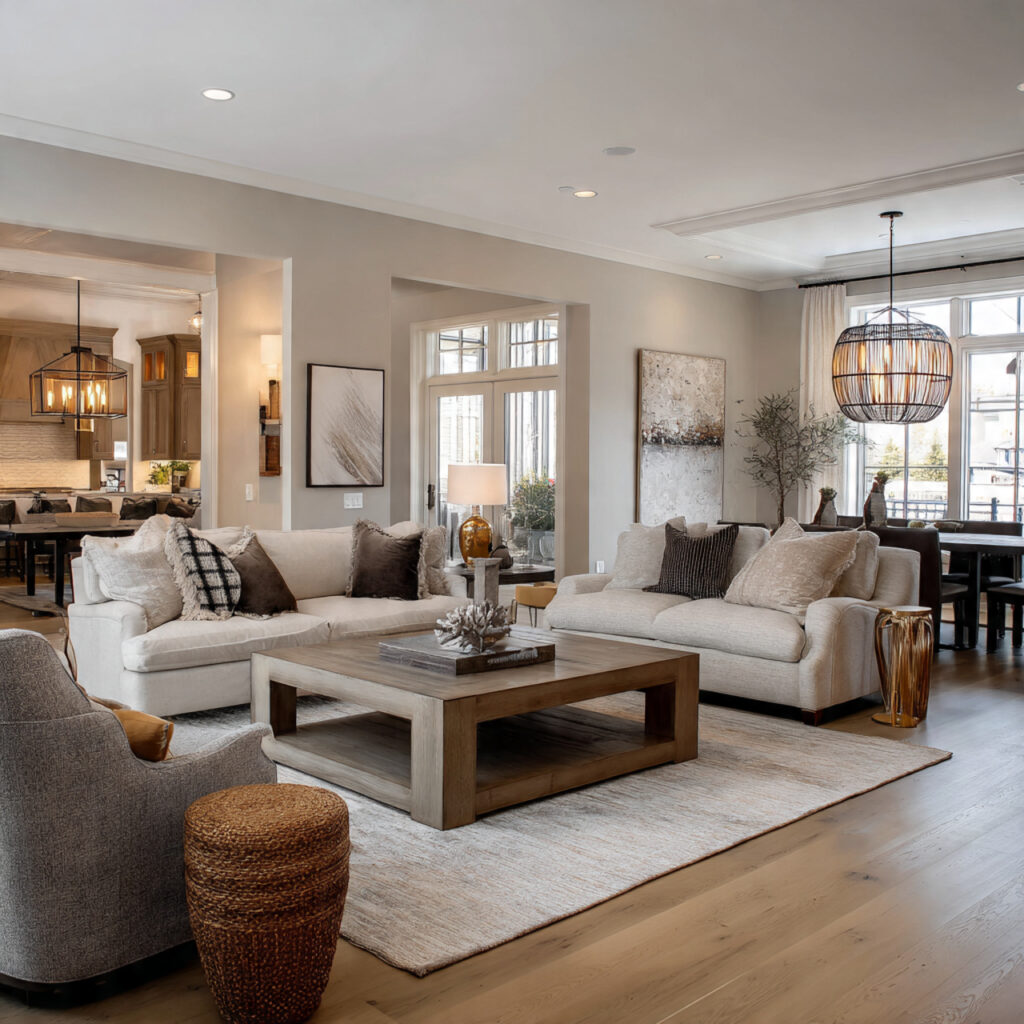
Interior design is about shaping a space that supports comfort and connection. The process begins with understanding the room’s size, natural light, and intended function. A good design allows easy movement, encourages conversation, and feels visually balanced without overcrowding. Every choice, from sofa positioning to wall finishes, contributes to the room’s emotional impact.
Well-executed designs combine function with warmth. Soft textures, intentional lighting, and thoughtful furniture selection ensure the area remains inviting throughout the day. Spaces created with daily life in mind always feel more authentic than those designed solely for appearances.
Living Room Inspiration
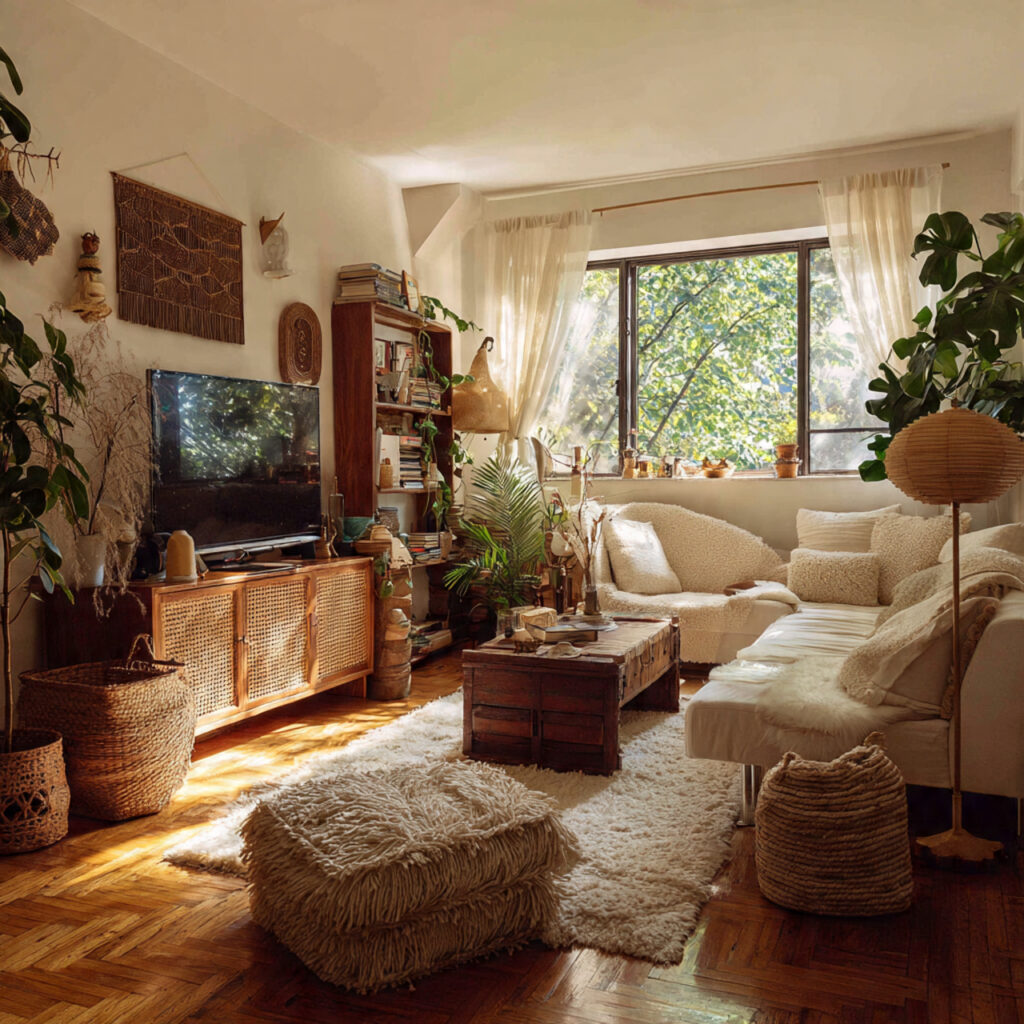
Inspiration often comes from observing spaces that feel comfortable and lived-in rather than overly styled. Ideas can be drawn from travel experiences, nature, cultural elements, or a favorite piece of furniture. These influences help shape a space that feels personal rather than generic.
Translating inspiration into reality requires restraint and clarity. Instead of copying entire concepts, borrowing colors, textures, or layouts allows the design to evolve naturally. When inspiration aligns with lifestyle, the space remains timeless rather than trend-driven.
Living Room TV Wall
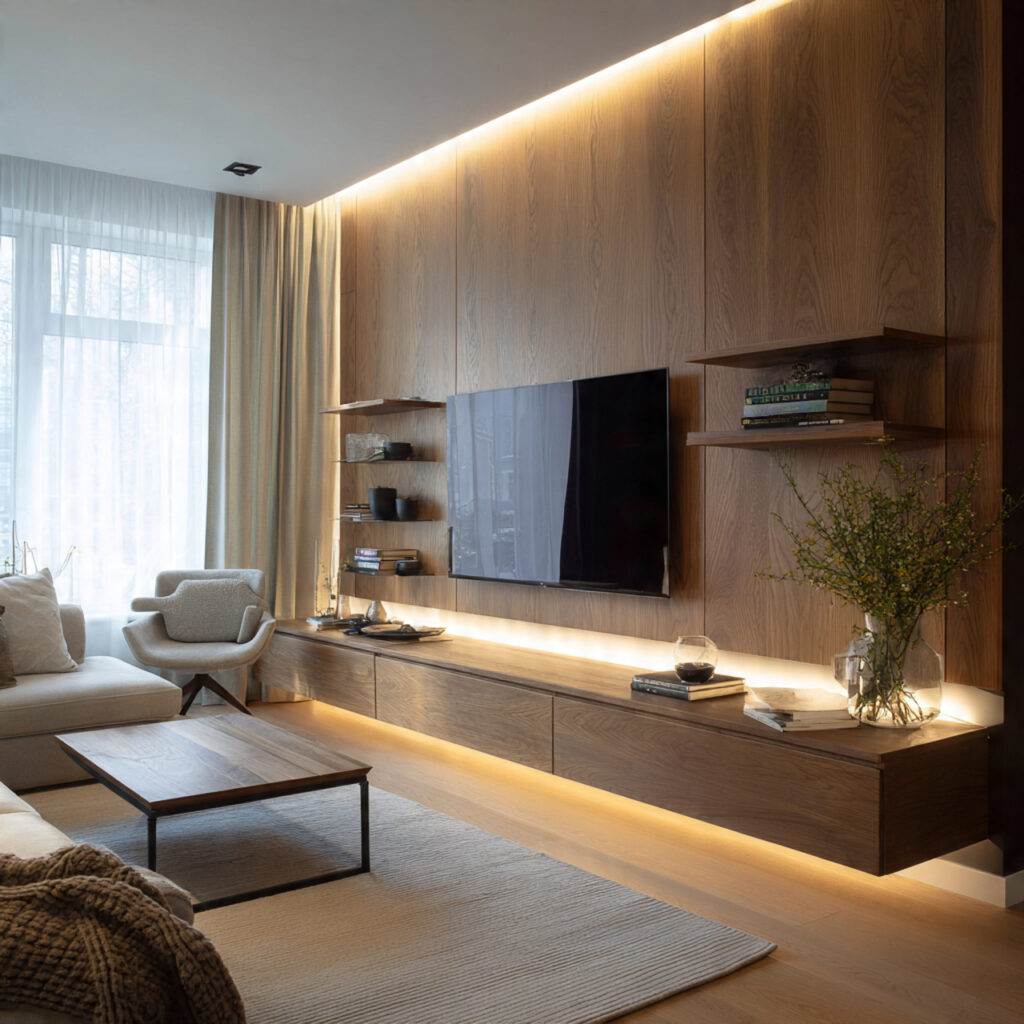
The TV wall has become a defining feature in modern interiors. A thoughtfully designed wall integrates technology with style. Materials like wood panels, textured laminates, or neutral finishes help soften the presence of screens.
A successful feature balances visual weight with practicality. Storage for devices, concealed wiring, and subtle lighting improve usability without dominating the space. When planned carefully, it elevates the overall design.
Living Room Decor Ideas
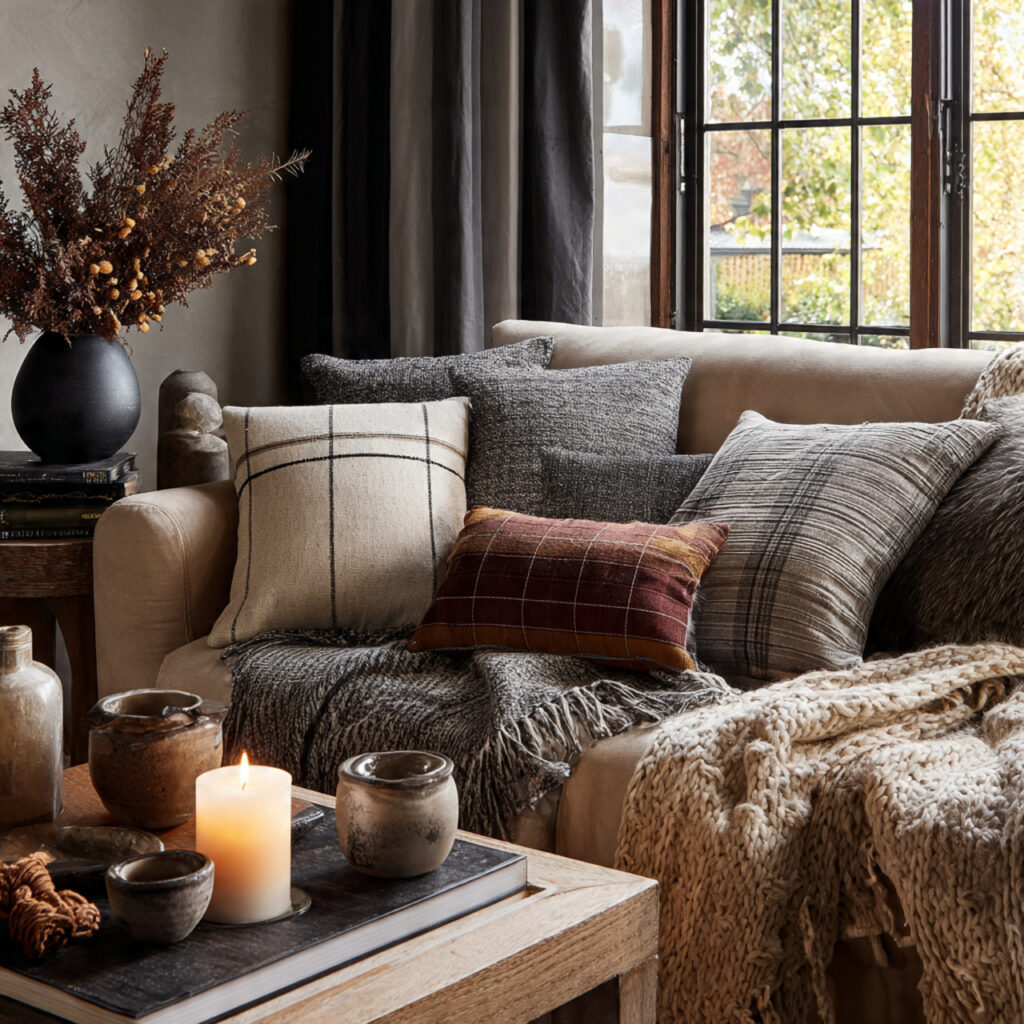
Decor ideas focus on layering personality into the space. Cushions, throws, decorative accents, and personal collections introduce warmth and texture. These details allow interiors to evolve over time without major changes.
Decor should feel intentional but never excessive. Mixing materials, finishes, and styles adds depth while maintaining harmony. Thoughtfully styled areas feel welcoming because they reflect real life rather than perfection.
Living Room Designs Small Spaces
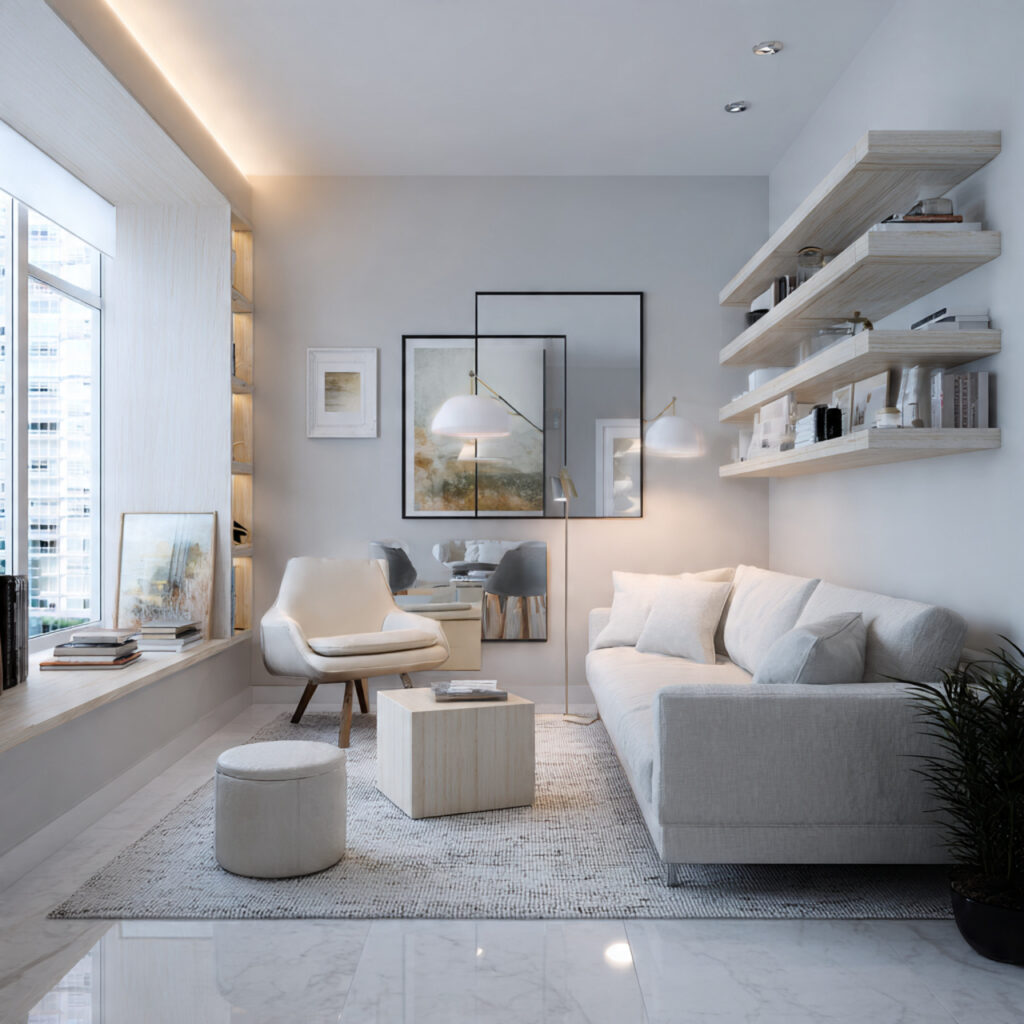
Small areas require careful planning to avoid visual clutter. Choosing compact furniture with clean lines maintains openness, and every element should serve both function and style.
Light colors, reflective surfaces, and strategic lighting make compact spaces feel larger. Simplicity becomes the strongest design tool, helping the area feel comfortable rather than constrained.
Living Room Wall Decor Ideas
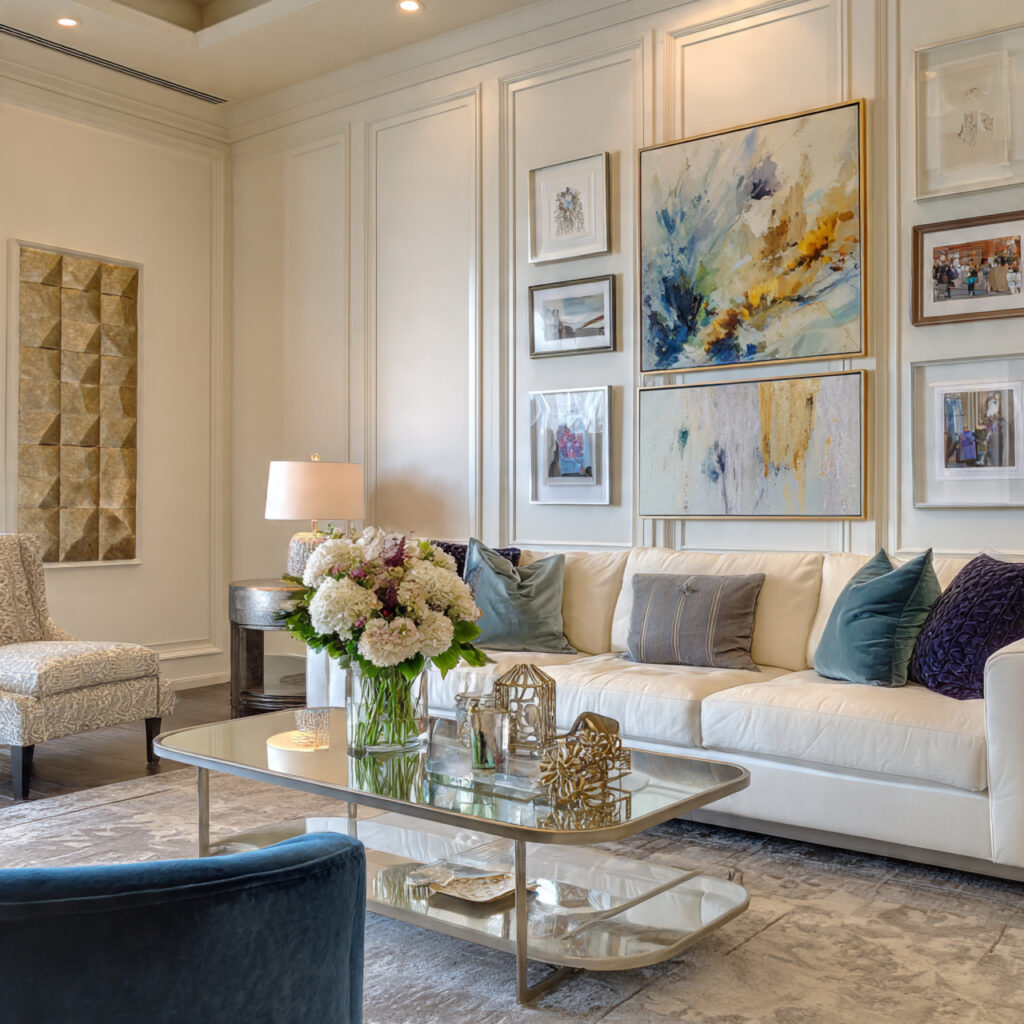
Wall decor transforms blank surfaces into visual storytelling elements. Artwork, mirrors, textured panels, or curated photo displays add depth without occupying floor space.
Balance is essential when styling vertical surfaces. Leaving breathing room between pieces allows each element to shine. Carefully chosen decor enhances character without overpowering the room.
Living Room Divider
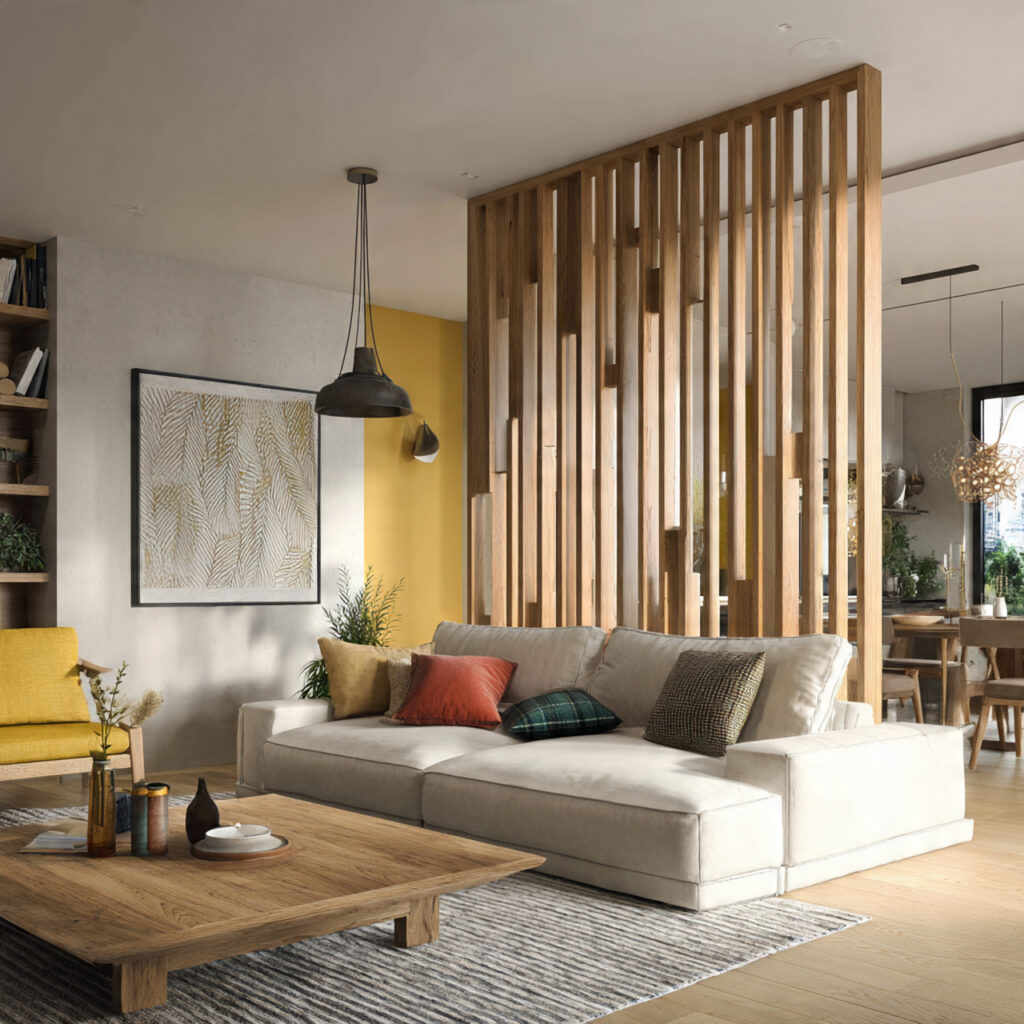
A divider helps define zones while maintaining openness. In open-plan homes, it subtly separates seating, dining, or work areas without blocking light.
Dividers can be functional and decorative. Shelving units, wooden slats, or glass partitions provide structure while preserving visual continuity. Well-placed dividers improve flow and organization.
Living Room Decor Cozy
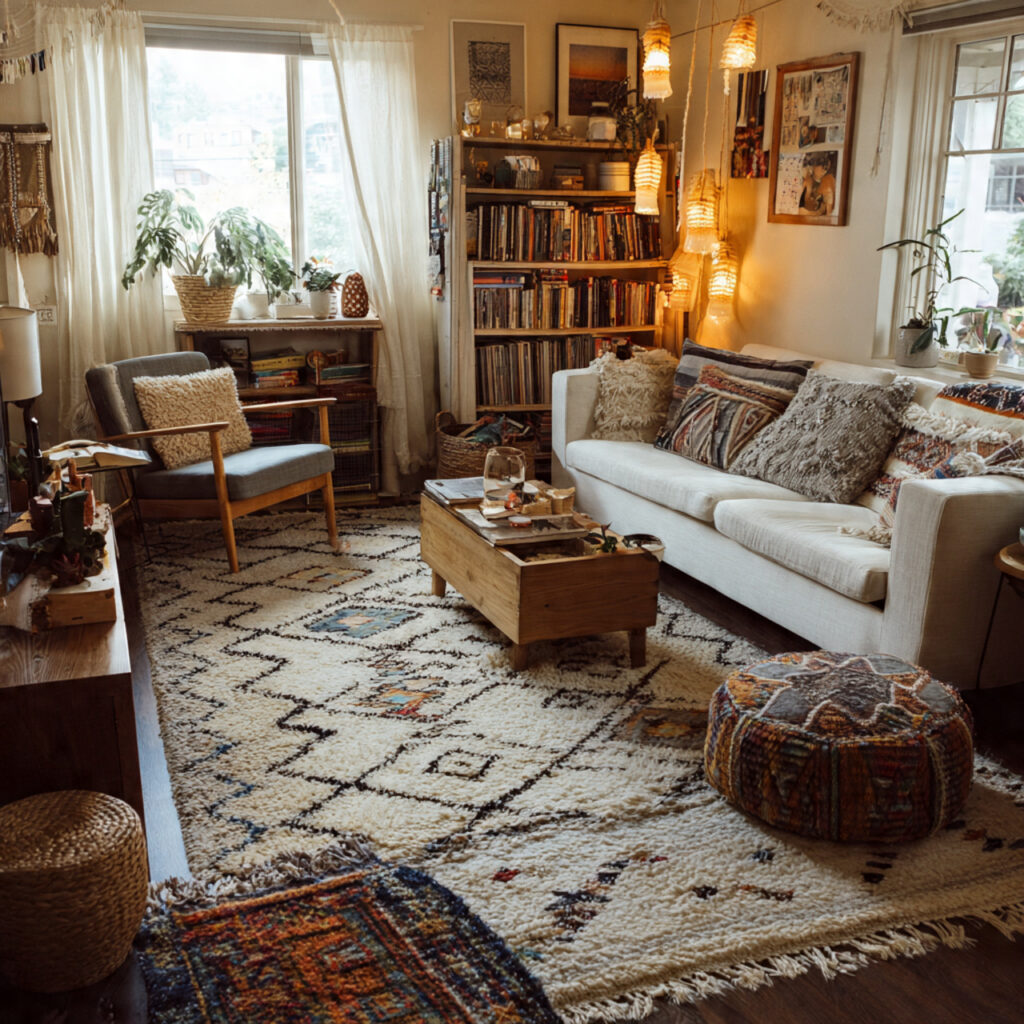
Cozy interiors focus on emotional comfort. Soft textiles, warm lighting, layered rugs, and natural materials instantly create a sense of ease.
Personal touches play a major role in creating warmth. Books, family photos, and familiar textures add character that design alone cannot replicate. Comfort comes first in truly inviting spaces.
Living Room Curtains
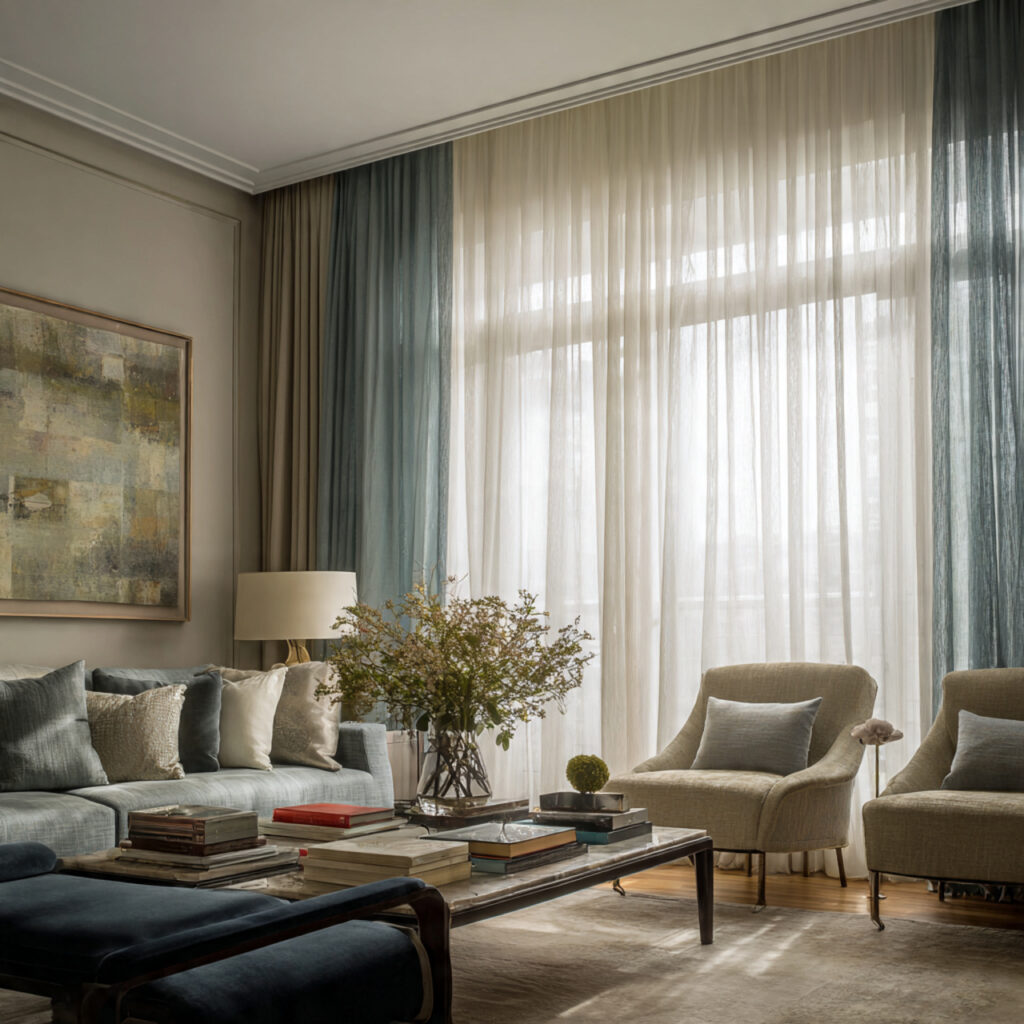
Curtains influence light, privacy, and the overall mood. Sheer fabrics soften daylight, while heavier materials add drama and insulation. Fabric choice and color strongly affect how open or intimate the area feels.
Floor-to-ceiling curtains enhance height and elegance. When coordinated with wall tones and furnishings, they become integral design elements rather than afterthoughts.
Living Room Paint Color Ideas
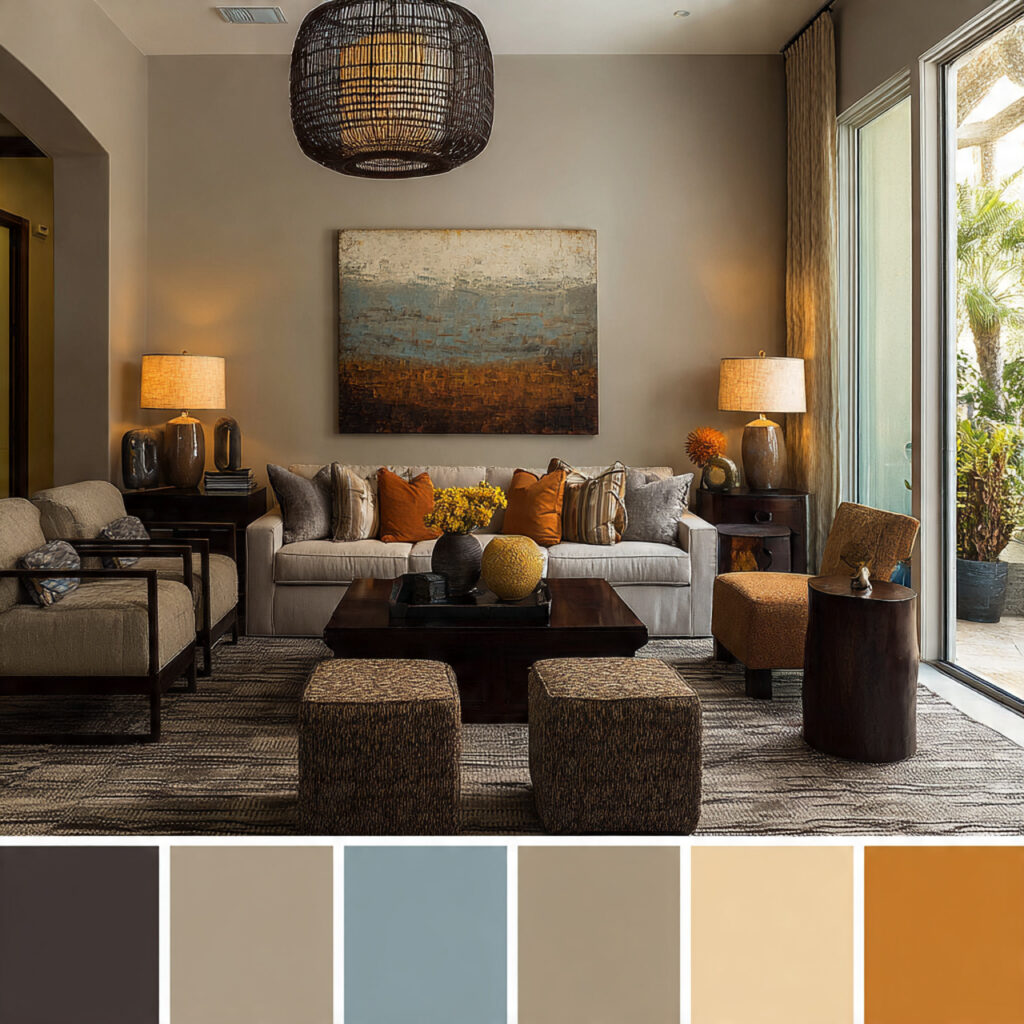
Paint color sets the emotional tone. Neutral shades offer flexibility, while deeper hues create intimacy and character. The right color complements lighting and furniture.
Testing shades in both natural and artificial light ensures consistency. A carefully selected wall color anchors the design and unifies all elements.
Living Room Lighting
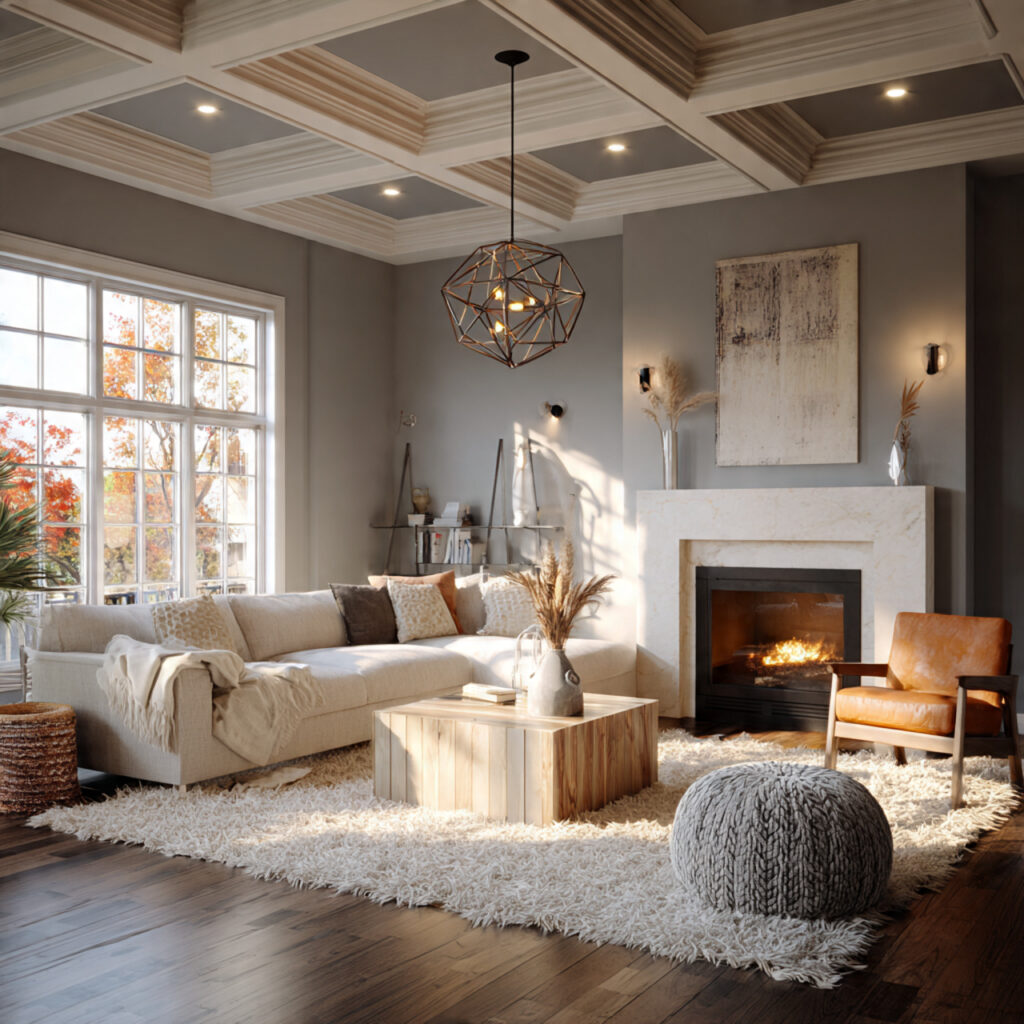
Lighting determines how a space is experienced at different times. Layered lighting creates versatility, allowing the room to shift from bright and social to soft and relaxing.
Warm light enhances comfort, while accent lighting highlights architectural details and decor. A well-lit space feels inviting rather than harsh.
Living Room Aesthetic
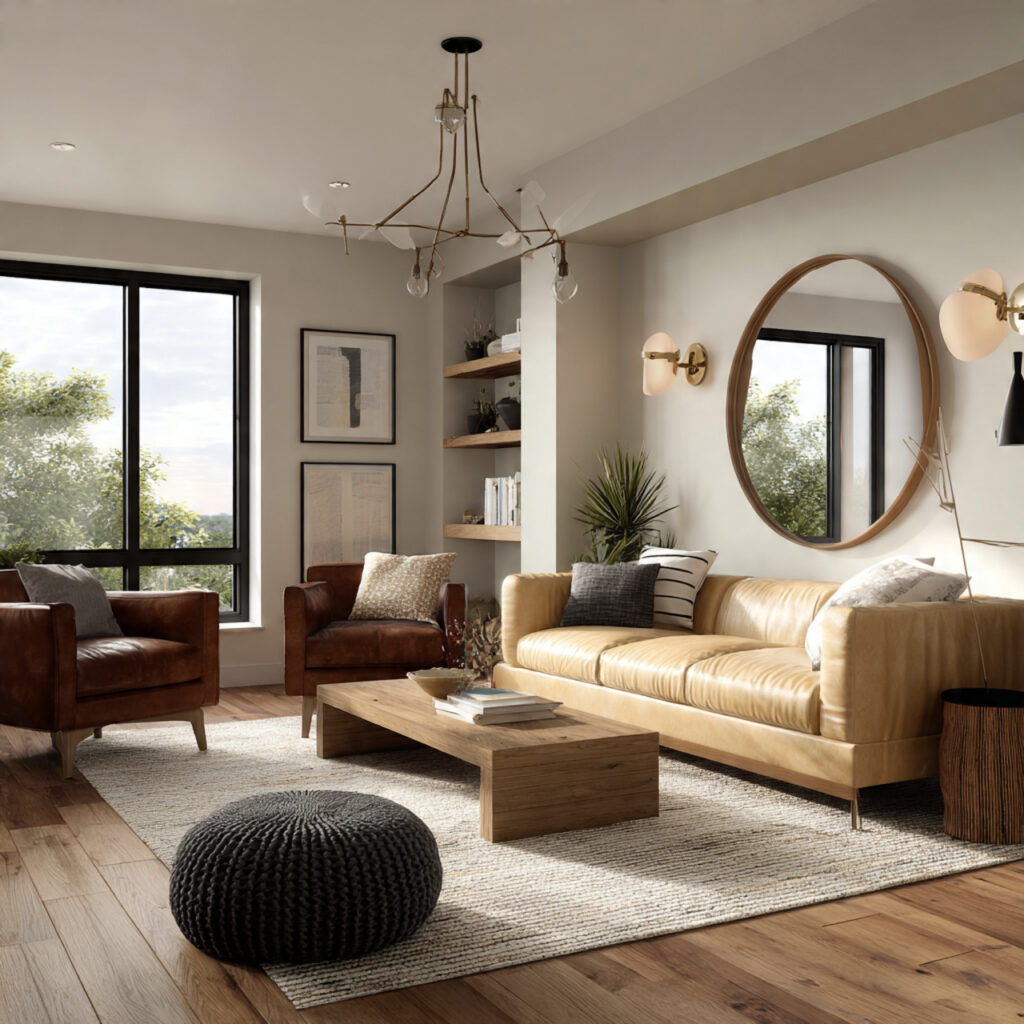
Aesthetic reflects personal style and lifestyle. Minimal and modern looks contrast with rich textures and layered decor. Consistency in materials, colors, and finishes maintains harmony.
When all elements align, the space feels complete and intentional.
Living Room Furniture
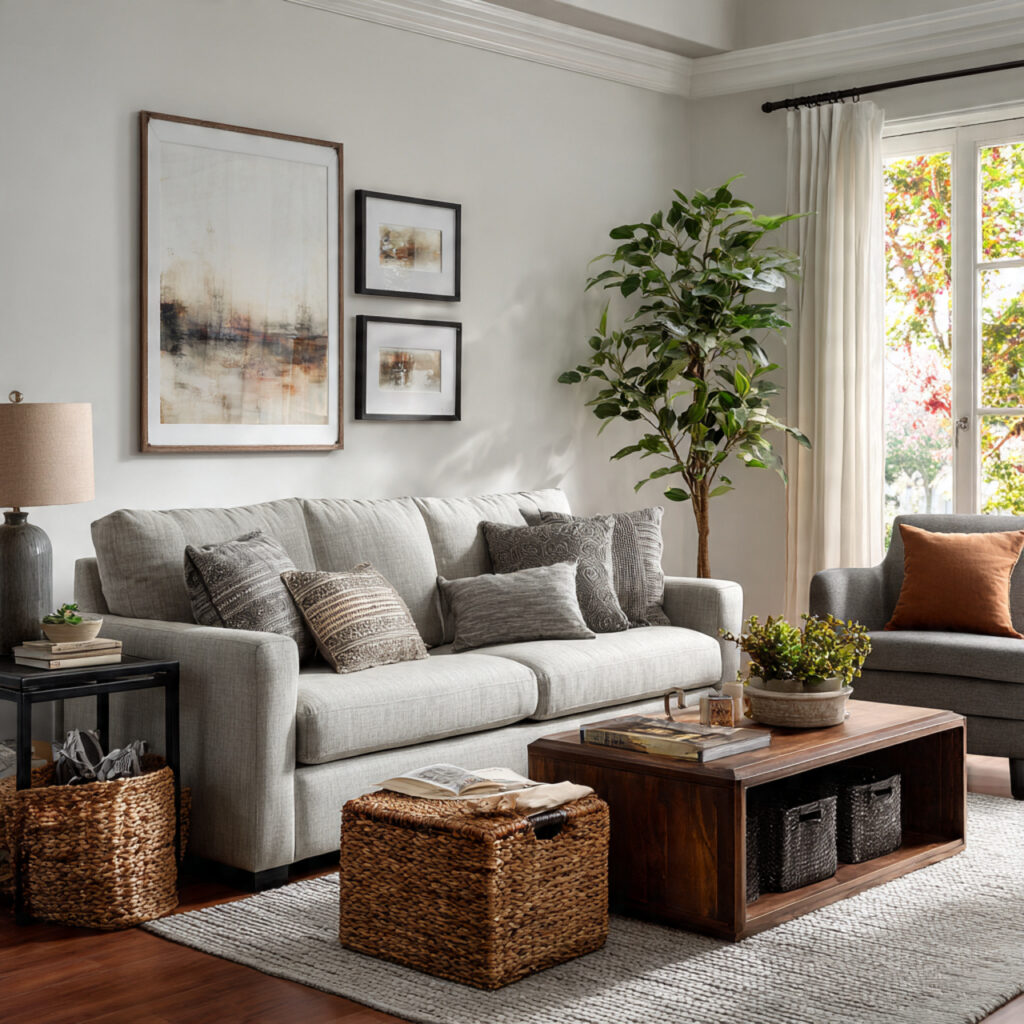
Furniture provides both comfort and structure. Seating supports relaxation, while tables and storage contribute to everyday functionality.
Selecting pieces that suit the scale prevents overcrowding. Well-proportioned furniture allows the space to breathe and function smoothly.
Living Room Interior
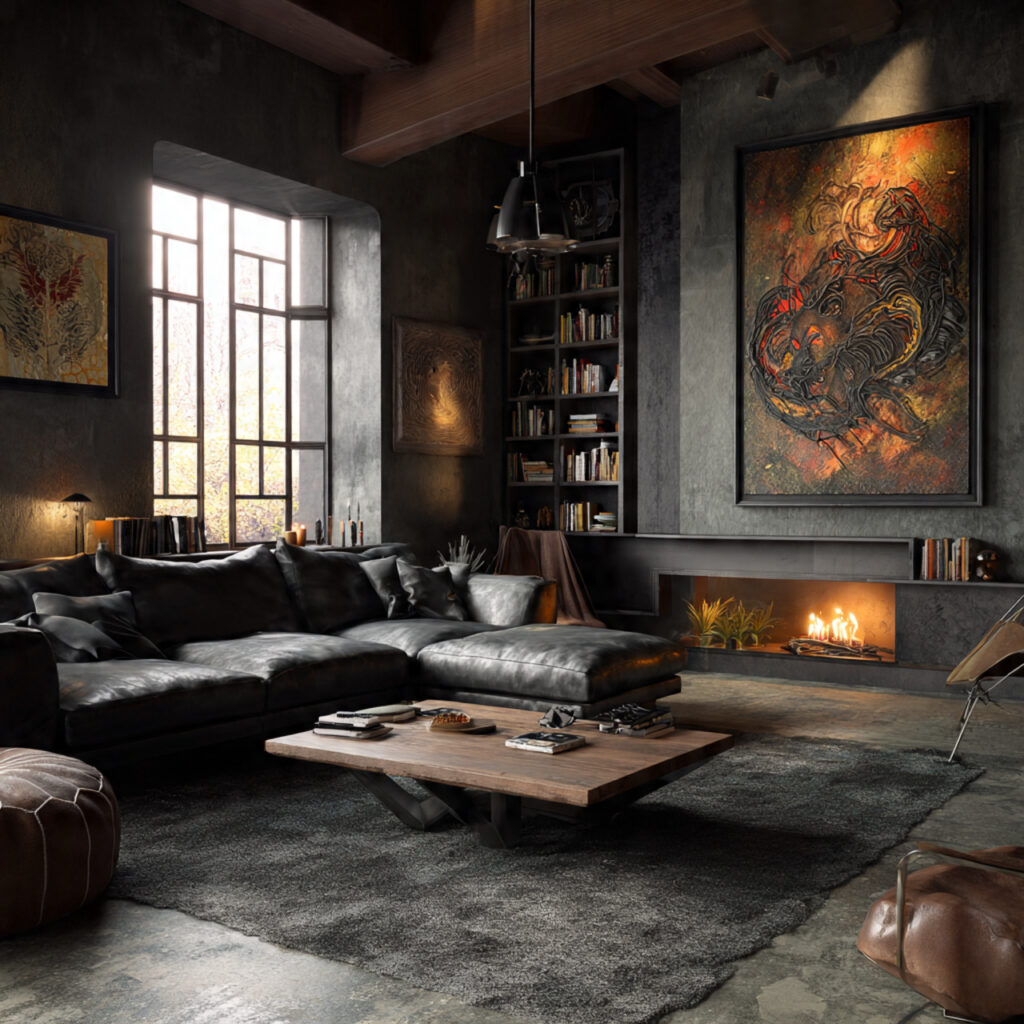
Interior design brings together layout, color, furniture, and lighting. Each component supports daily living while maintaining visual balance.
A successful design feels effortless, supporting movement, interaction, and relaxation without unnecessary complexity.
Living Room Layout
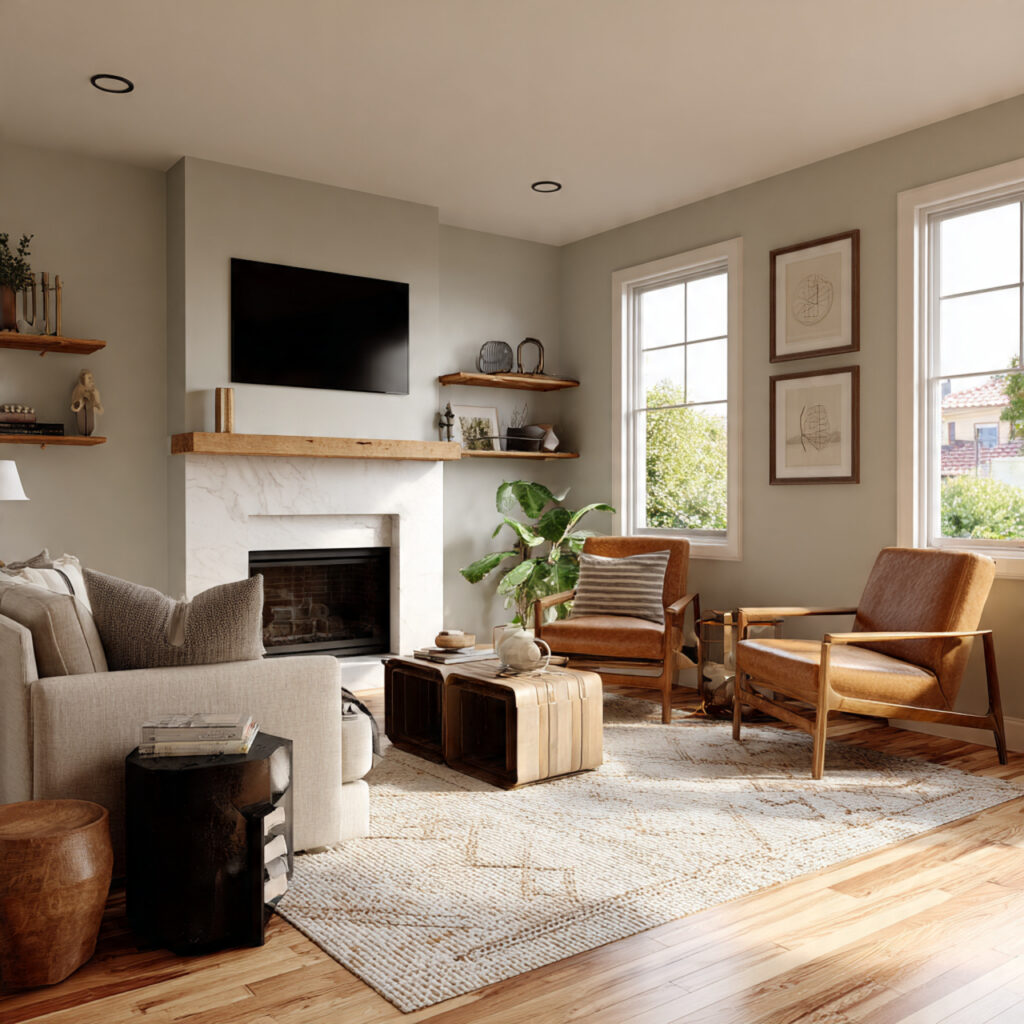
Layout determines how the area flows. Thoughtful furniture placement encourages conversation and easy movement.
Arranging elements around a focal point creates natural balance. Whether centered on a window, fireplace, or TV, alignment matters.
Living Room Wall Designs
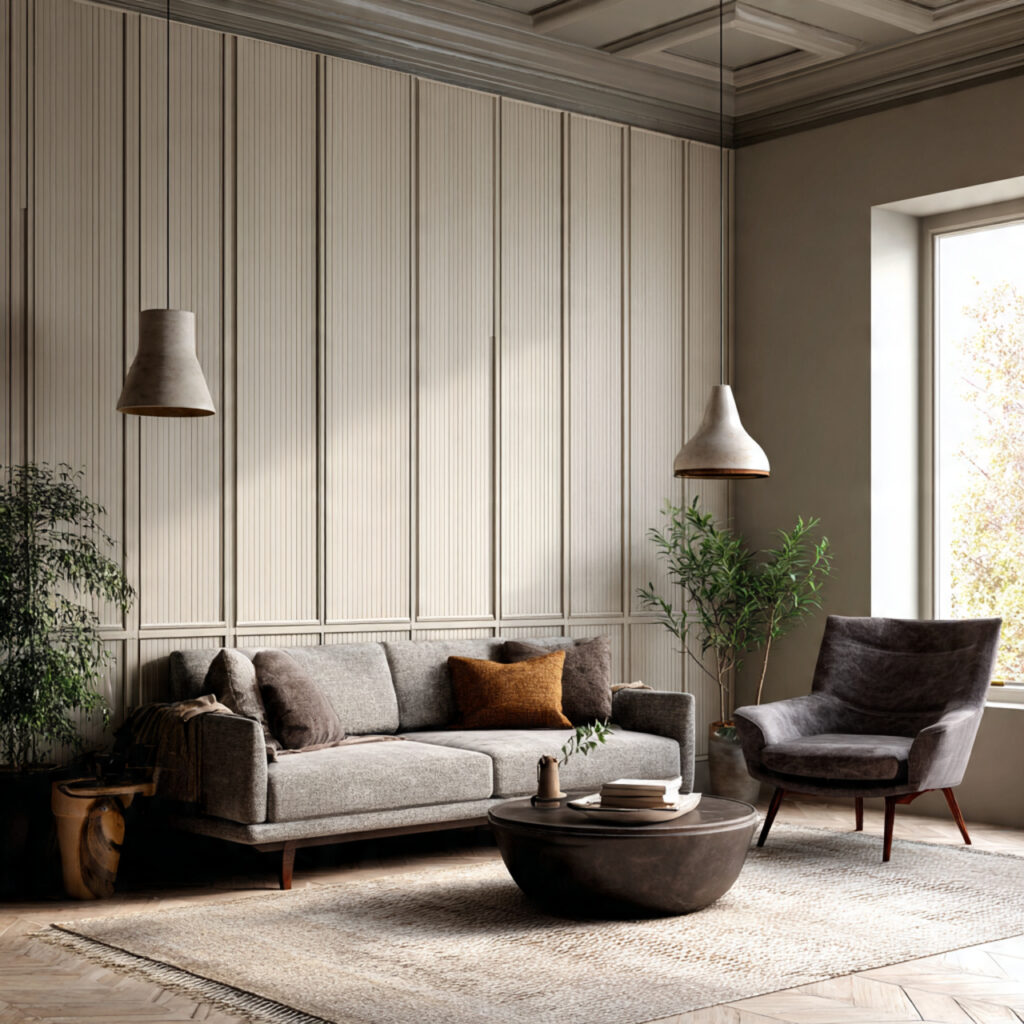
Wall treatments add depth and sophistication. Textured finishes, panels, or subtle patterns introduce visual interest without competing with other elements.
Subtle details often have the strongest impact.
Living Room Rug
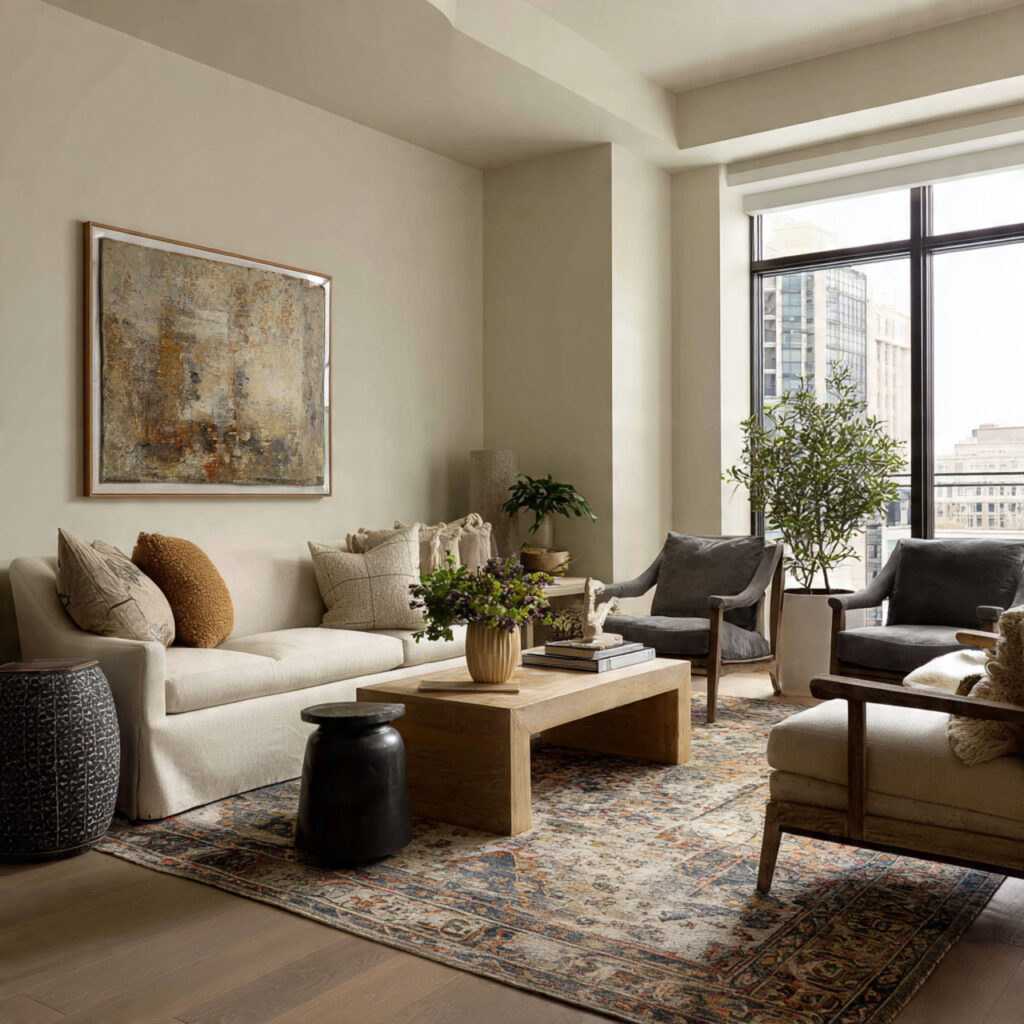
A rug defines the seating area and adds warmth. It visually anchors sofas, chairs, and tables, creating a connected arrangement. Texture and material also improve comfort underfoot.
The correct rug size is crucial. Too small feels disconnected, while a well-proportioned option creates balance and flow.
Living Room Color Combination
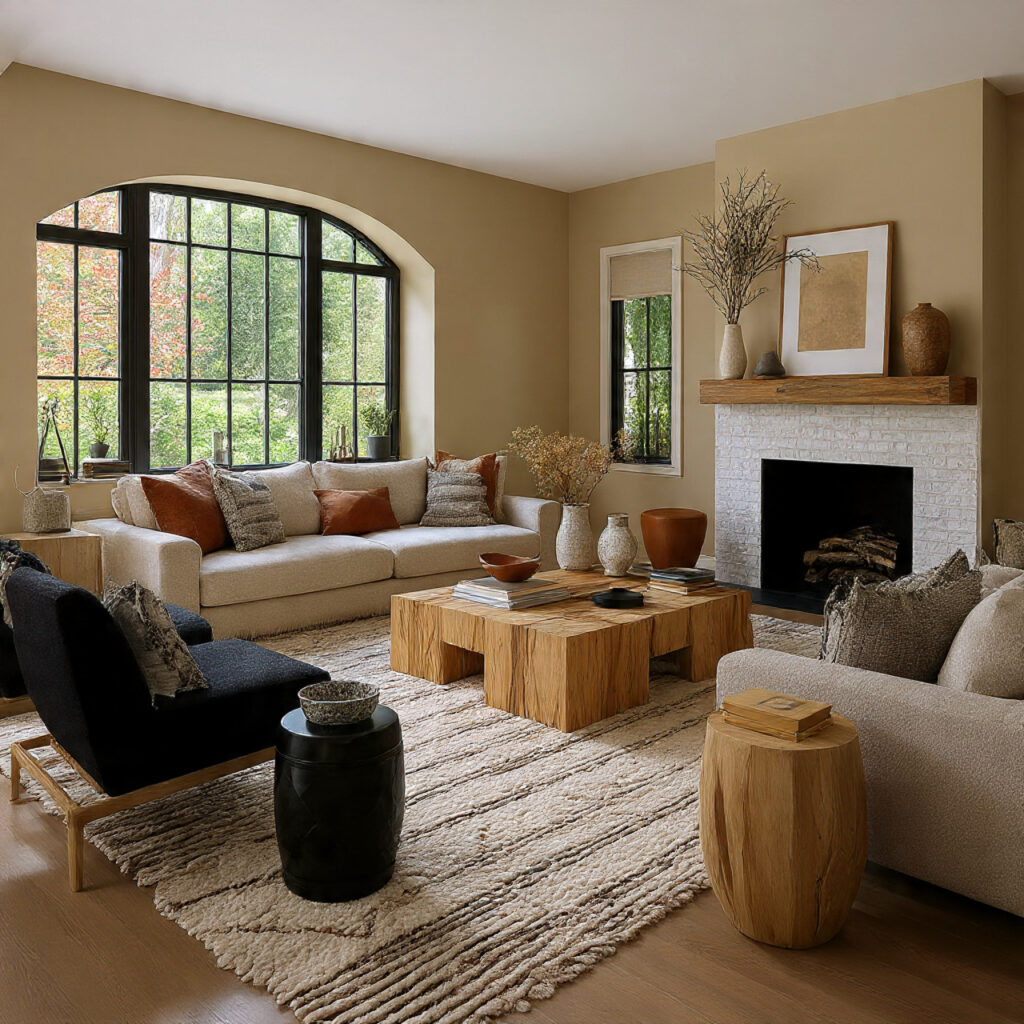
Color combinations set the emotional tone and influence how welcoming a space feels. Soft neutrals create a calm base, while accent colors add depth without overwhelming. Layering similar tones prevents the room from feeling flat.
Small Living Room Layout

Open layouts, proportionate furniture, and clear pathways help small areas feel functional and airy. Limiting excess pieces and keeping sightlines clear allows the space to feel calm and surprisingly spacious.
Living Room Sofa Design
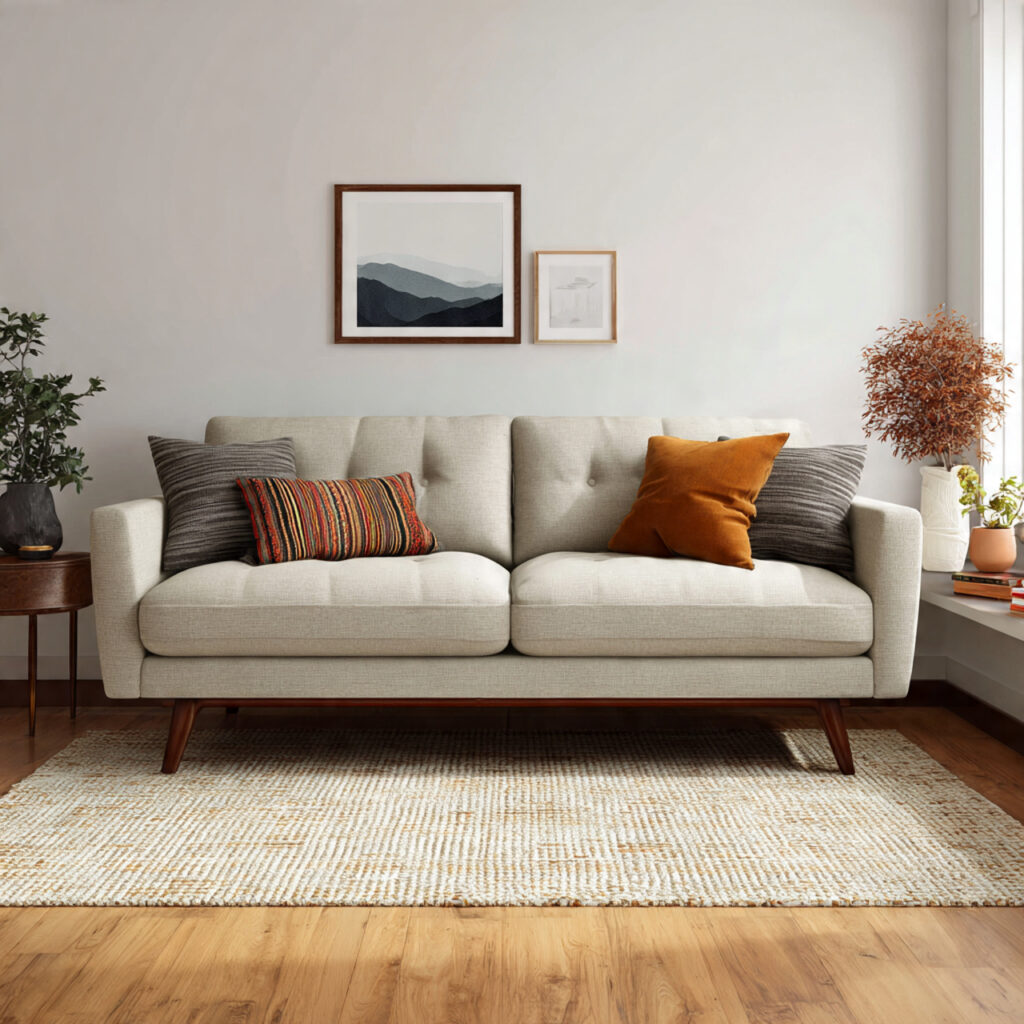
Sofa design affects both comfort and visual appeal. Clean-lined styles create a modern feel, while plush designs add softness. Scale should suit the space.
As the largest furniture piece, the sofa sets the tone for the entire design. Well-chosen options balance durability, comfort, and style.
Visit Also: boho living room
Living Room Curtains Ideas
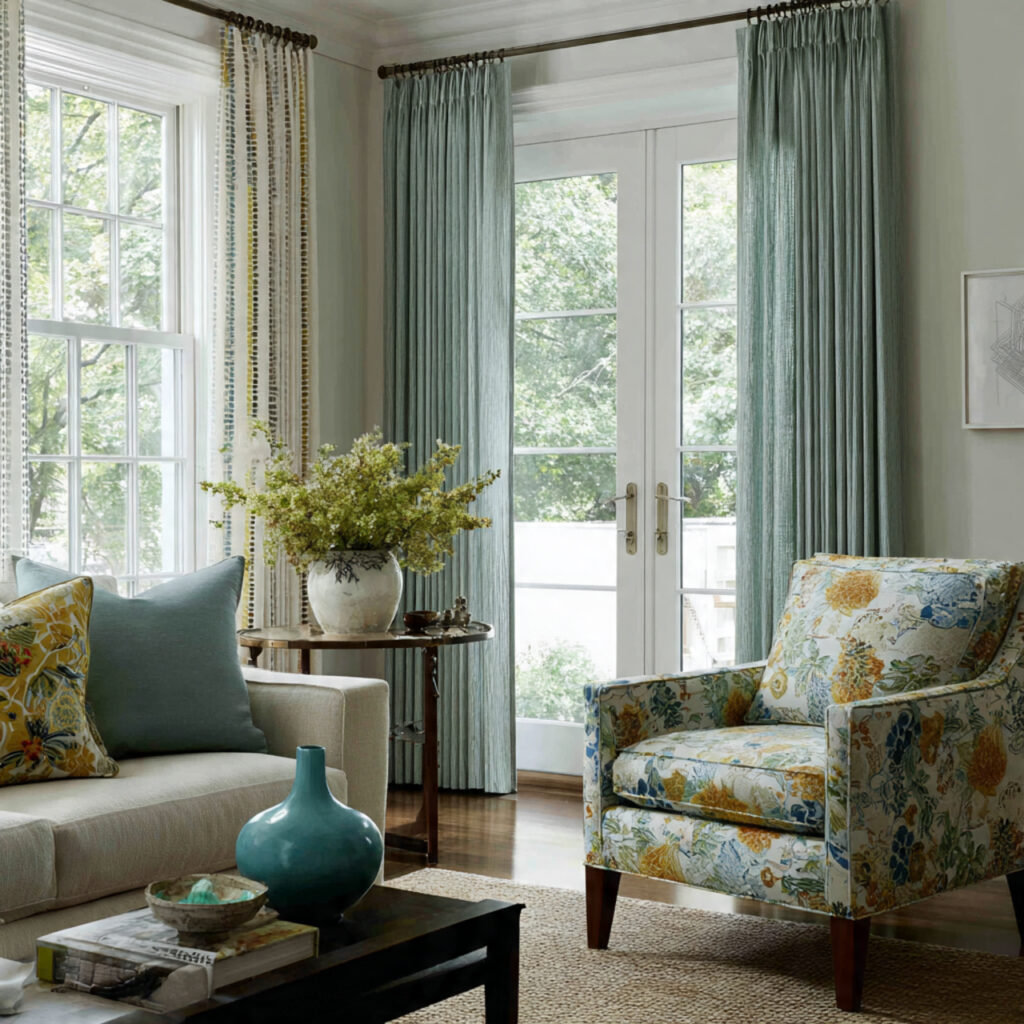
Curtains can be subtle or bold. Sheer materials soften light, while heavier fabrics provide privacy and warmth. Coordinated curtains unify the interior, becoming part of the overall design.
Living Room Table
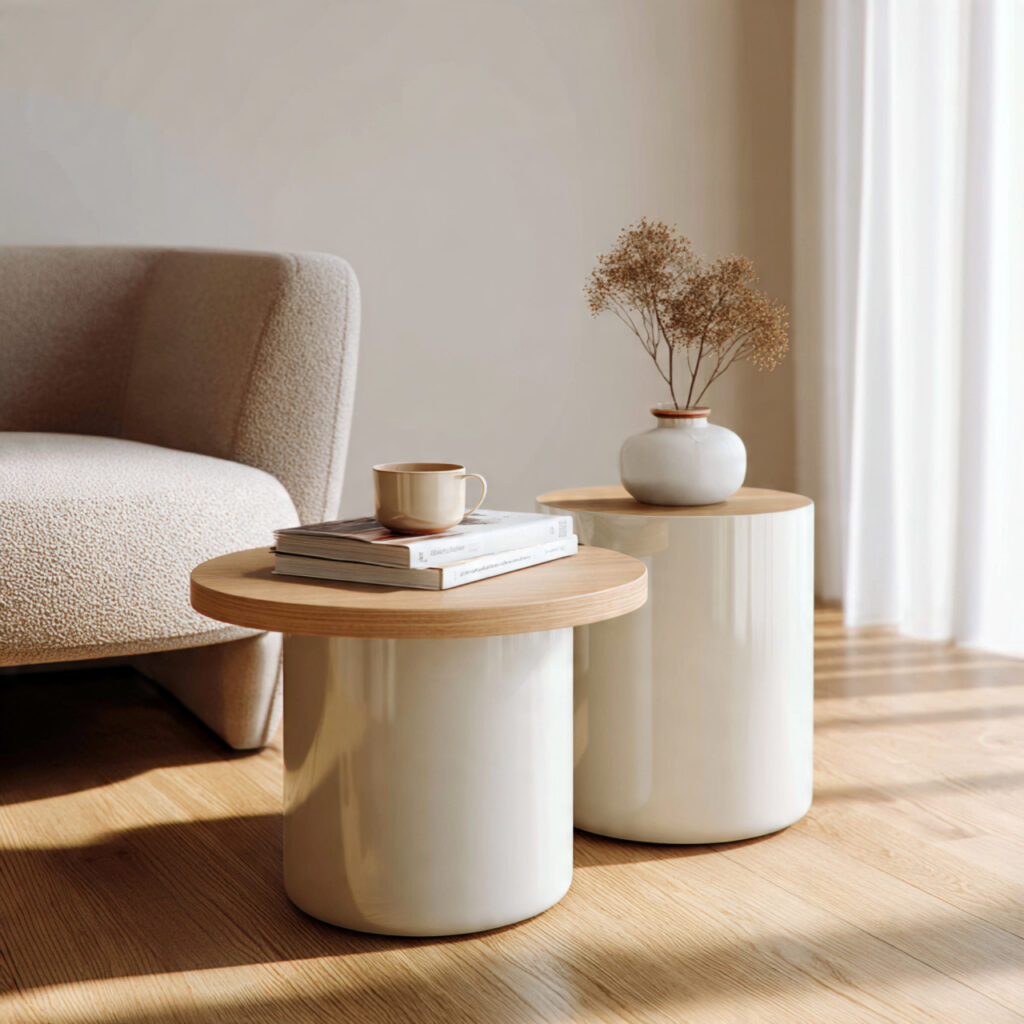
A table serves as both a practical surface and a decorative element. Coffee tables, side tables, or nested options provide space for drinks, books, and accents while complementing the seating area. Choosing proportionate pieces ensures the layout remains open and functional.
Well-placed tables improve flow and accessibility. Materials, shapes, and finishes enhance the overall design without overwhelming the room. Minimal styling allows daily use without sacrificing style.
Living Room With Fireplace
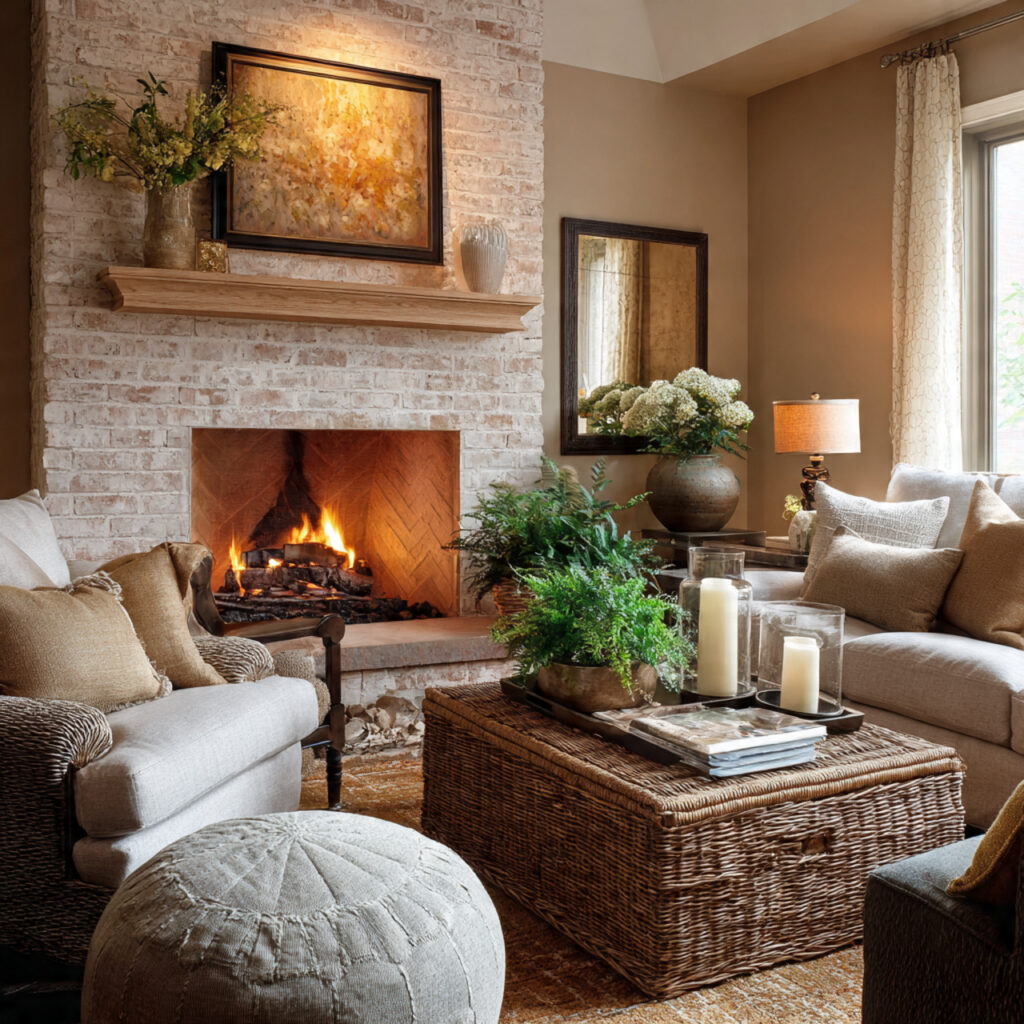
A fireplace naturally becomes the focal point, drawing people together. Arranging seating around it enhances comfort while maintaining circulation. Warmth and texture from natural materials add inviting character.
Fireplaces combine visual appeal with cozy function. Lighting, artwork, or a mantel display can accentuate this feature without cluttering the space. Thoughtful placement ensures it feels central yet unobtrusive.
Living Room Wall Color
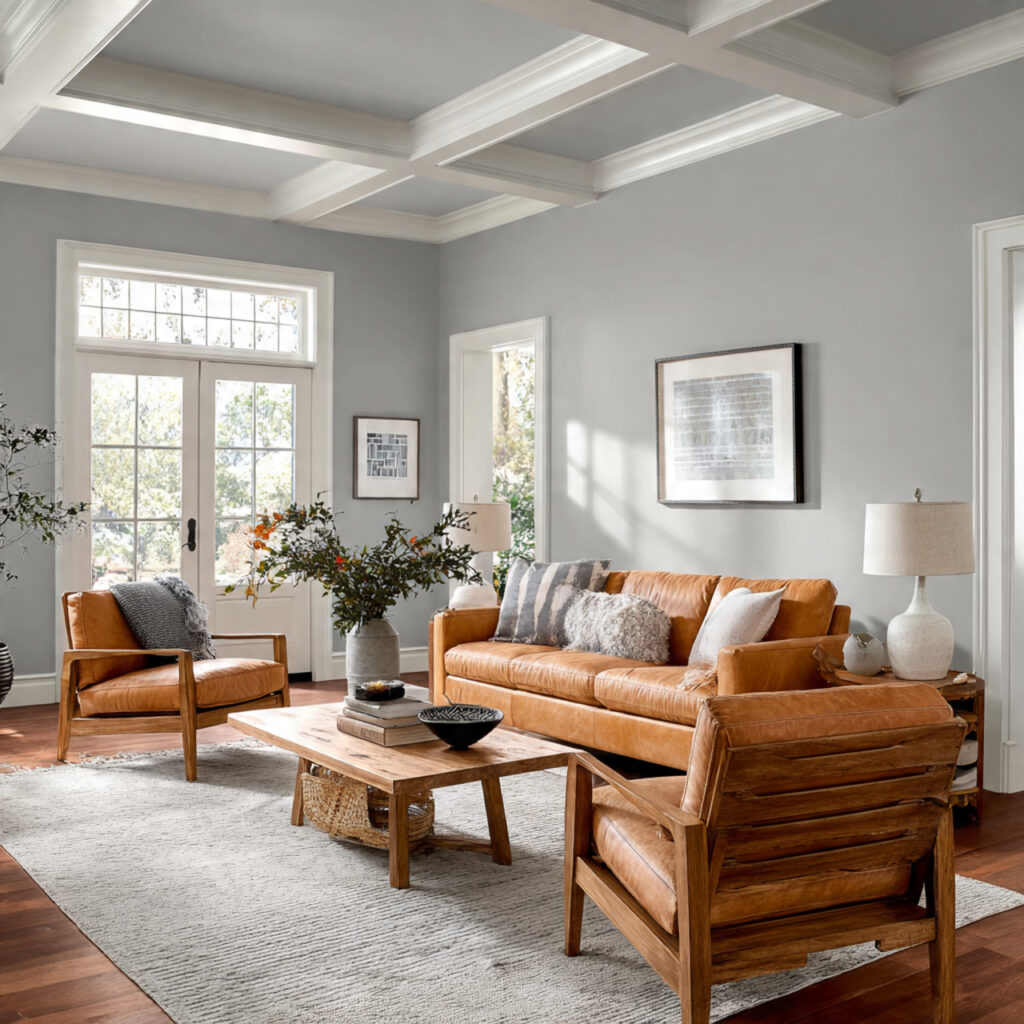
Wall color influences how spacious and welcoming the space feels. Light tones expand the area visually, while deeper shades create intimacy. Colors should complement furniture, flooring, and lighting for harmony.
Accent walls or subtle contrasts add personality without overwhelming the design. Testing shades in different lighting ensures consistency throughout the day. Coordinated hues unify the interior.
Living Room Sofa
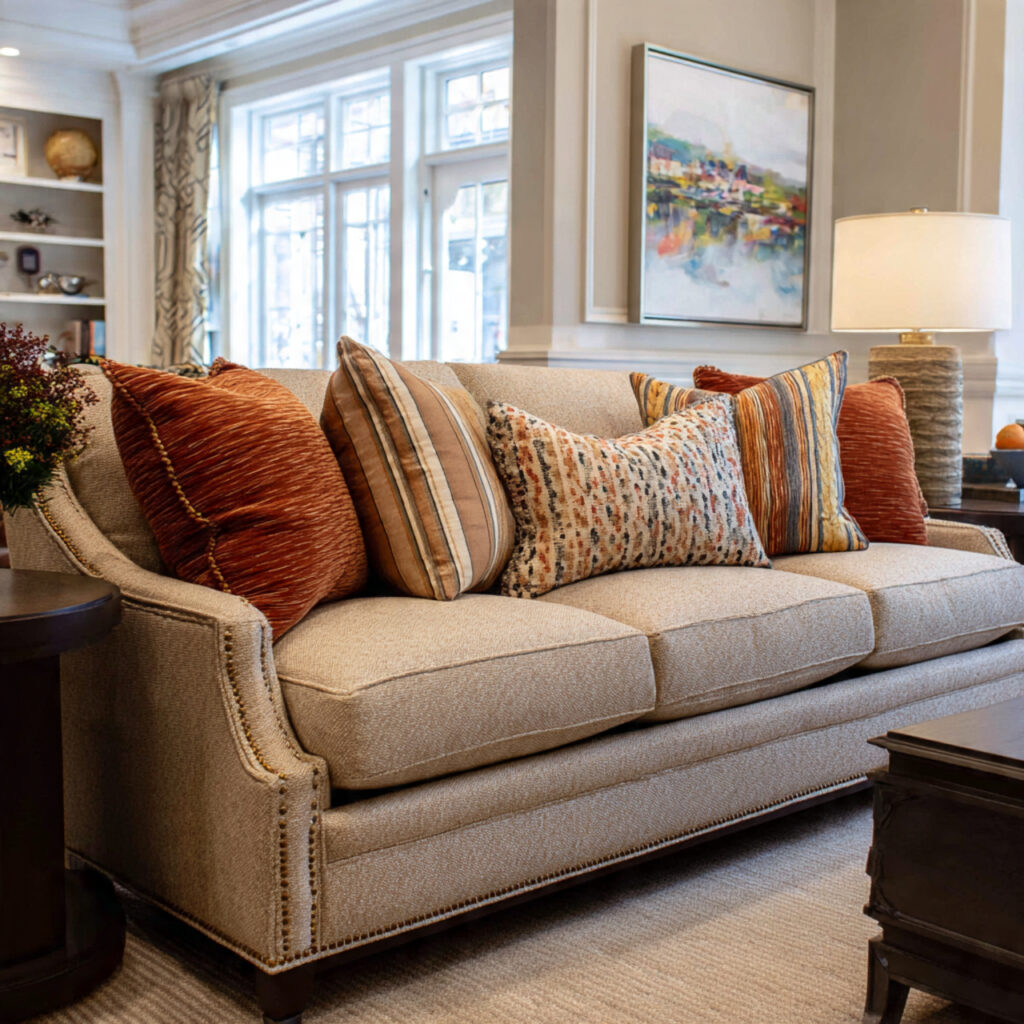
The sofa anchors seating and sets the tone for the room. Comfort, durability, and scale are essential for daily use. Upholstery, shape, and color tie into the overall design scheme.
Choosing a well-constructed piece prevents sagging or wear over time. Placement should encourage conversation and maintain open pathways. Matching the sofa to surrounding furniture keeps balance and proportion.
Living Room Style
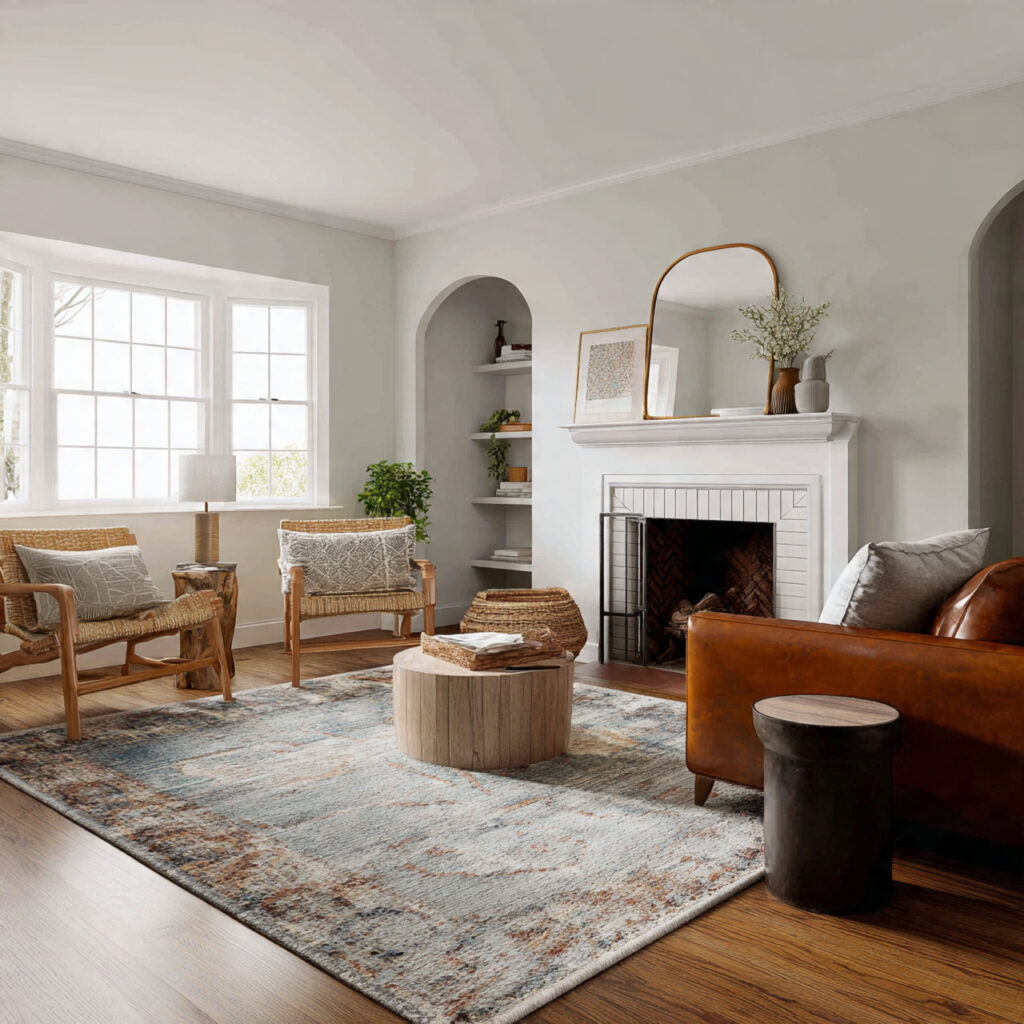
A defined style guides decisions on furniture, materials, and colors. Minimal, eclectic, or traditional themes ensure coherence and visual calm. Consistency in approach avoids a chaotic look.
Layering textures and accents adds depth without clutter. Style should reflect lifestyle and preferences rather than following fleeting trends. When elements align, the space feels intentional.
Living Room TV Unit Designs
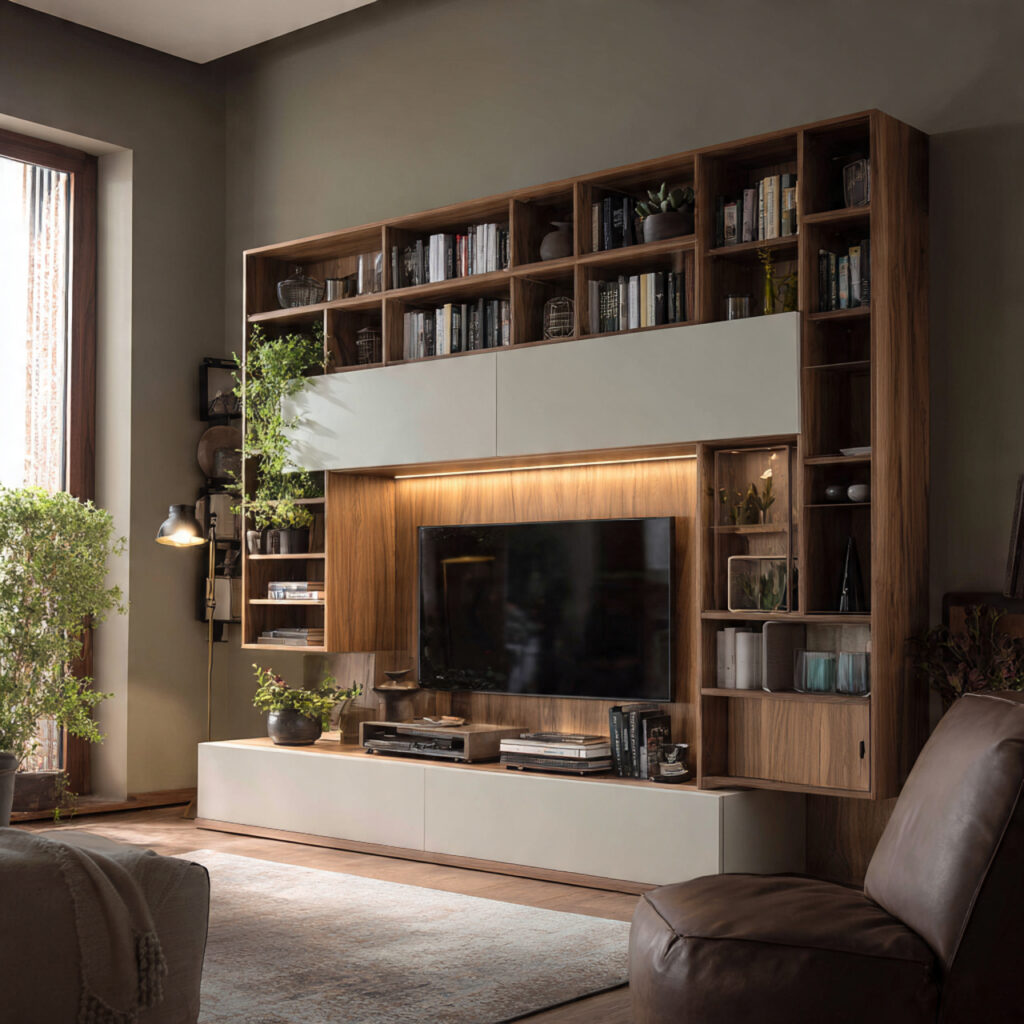
TV units combine storage and aesthetics. Clean-lined or built-in designs conceal devices while maintaining an organized look. Shelving or cabinetry provides practical storage without crowding.
Thoughtful integration keeps the screen from dominating the room. Materials, finishes, and symmetry help it blend with the overall interior. Cable management ensures the space remains tidy.
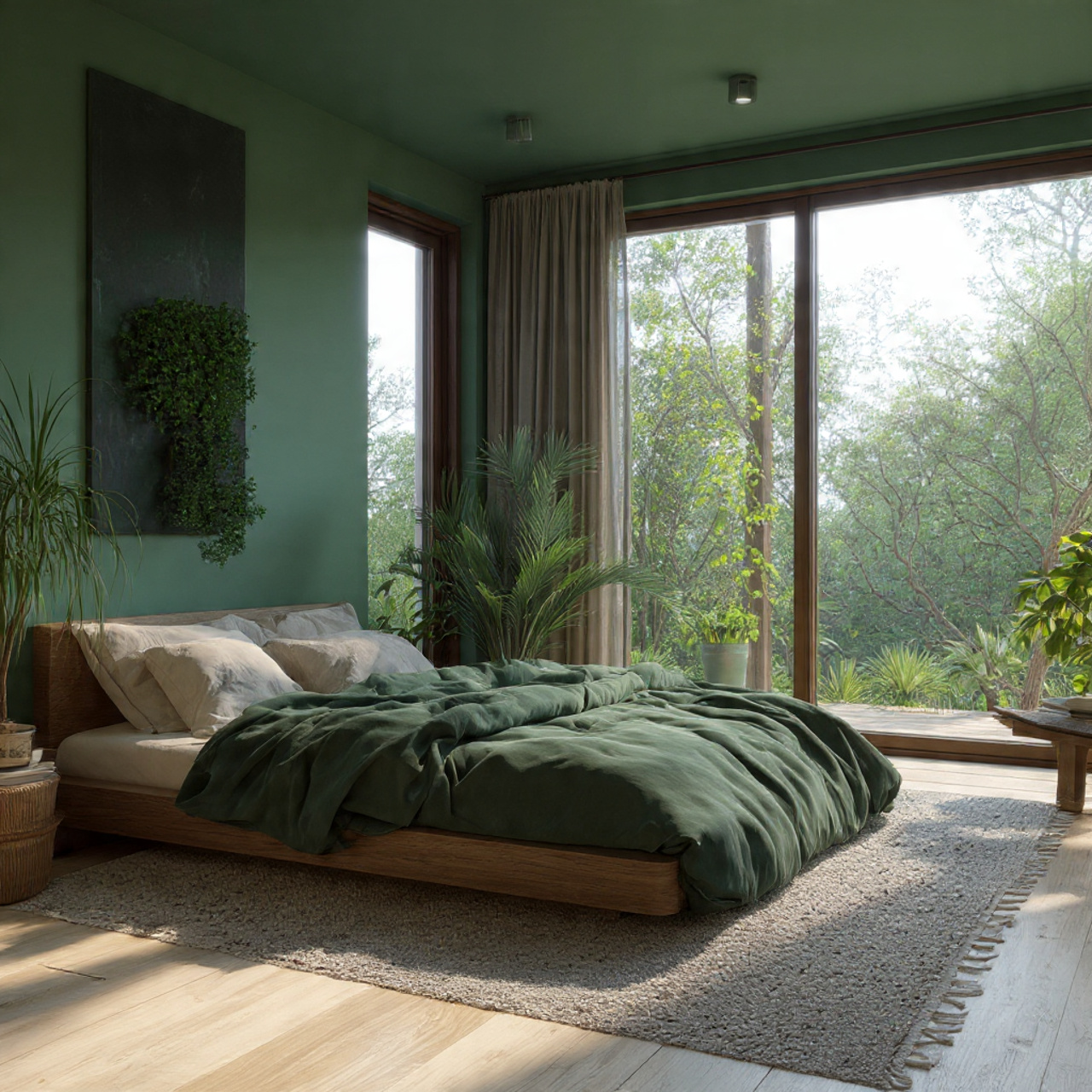
Living Room Green
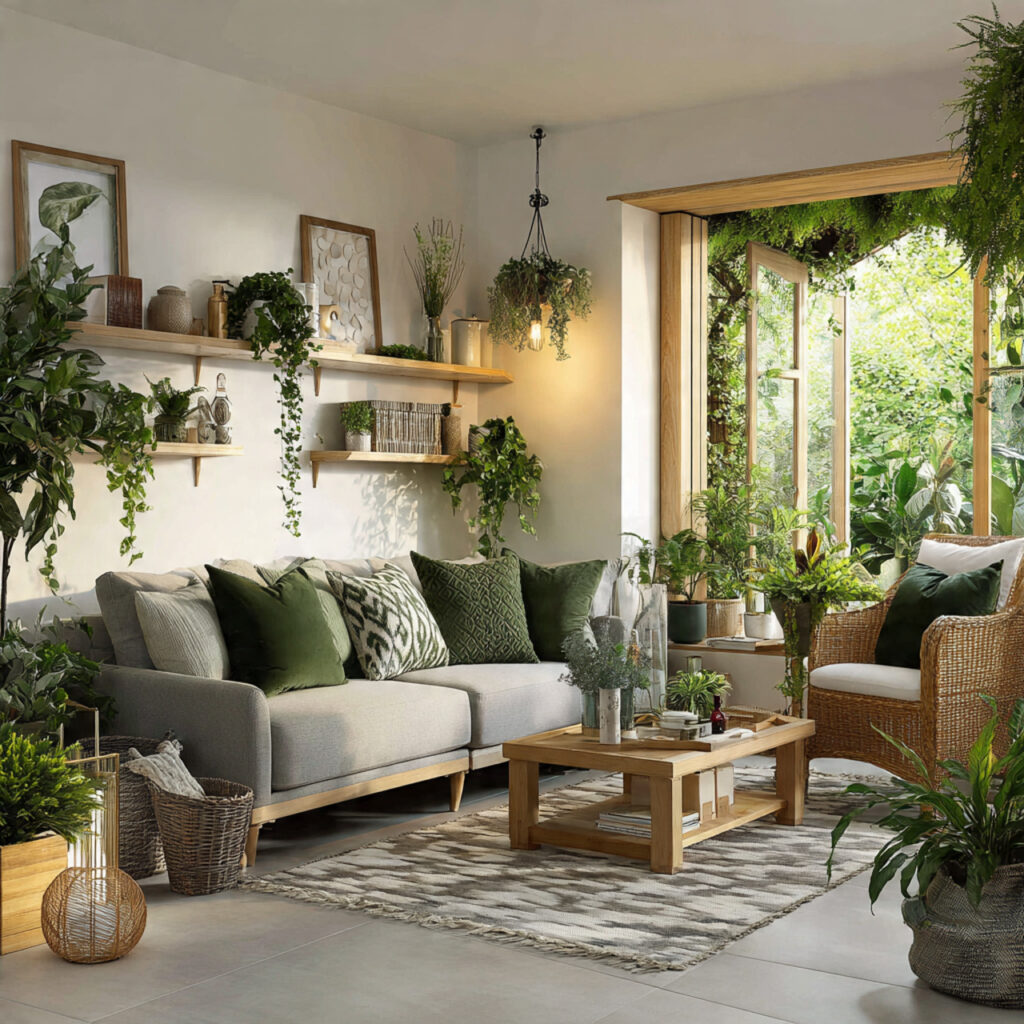
Green tones and indoor plants bring life and freshness. Plants soften hard surfaces, improving air quality and mood. Decorative accents in green create balance and calm.
Natural elements harmonize with textures and colors, enhancing comfort. Even small touches like planters or artwork introduce a restorative, organic feel. It encourages a connection to nature indoors.
Living Room Built Ins

Built-in furniture optimizes space efficiently. Shelving, cabinets, or storage units keep essentials organized and visually unified. Concealed storage maintains a clean, airy look.
Custom installations enhance the overall design, blending seamlessly with walls or trim. They provide structure and order while elevating the room’s sophistication.
Living Room Ceiling Design Modern
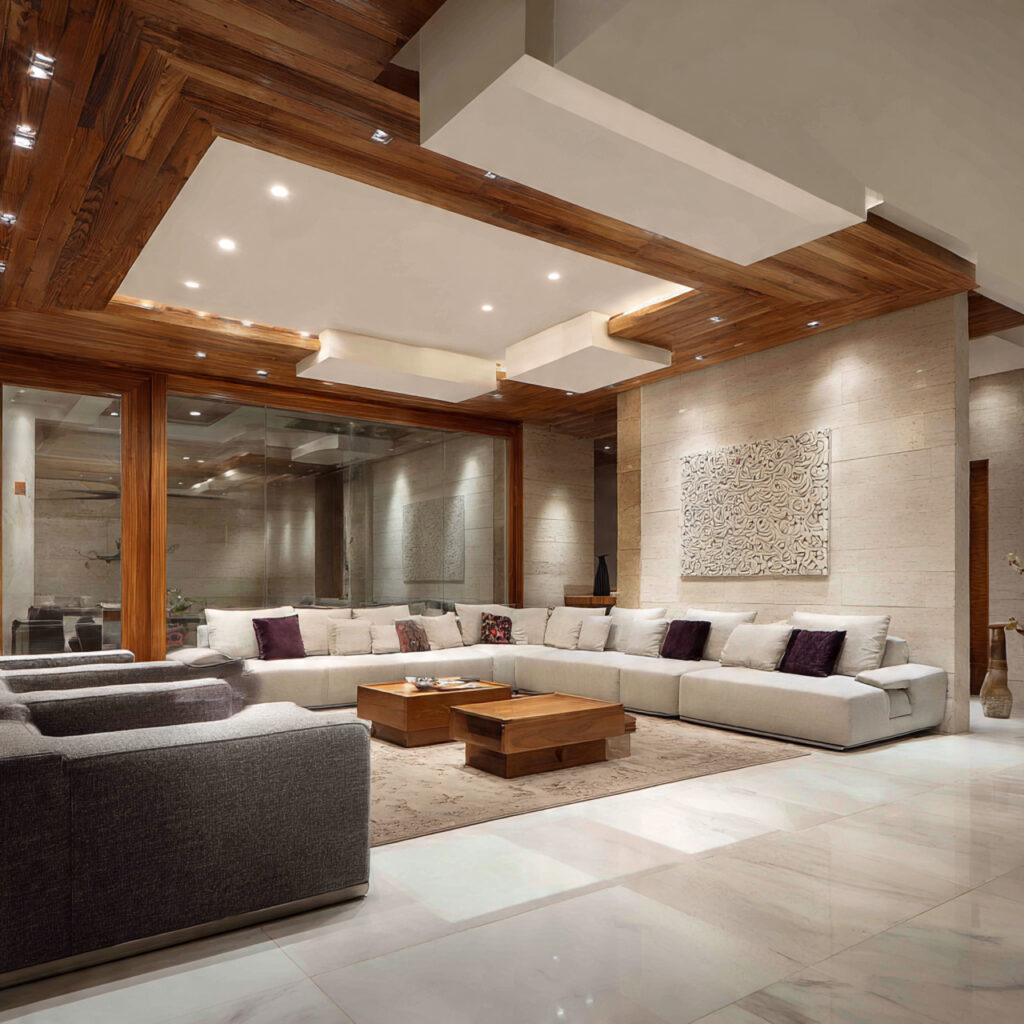
Modern ceiling designs add subtle architectural interest. Recessed lighting, clean lines, or textures create depth and sophistication. A well-designed ceiling complements the entire layout.
It enhances spatial perception and mood without drawing unnecessary attention. Proper lighting integration improves ambiance and highlights key design features.
Living Room Art
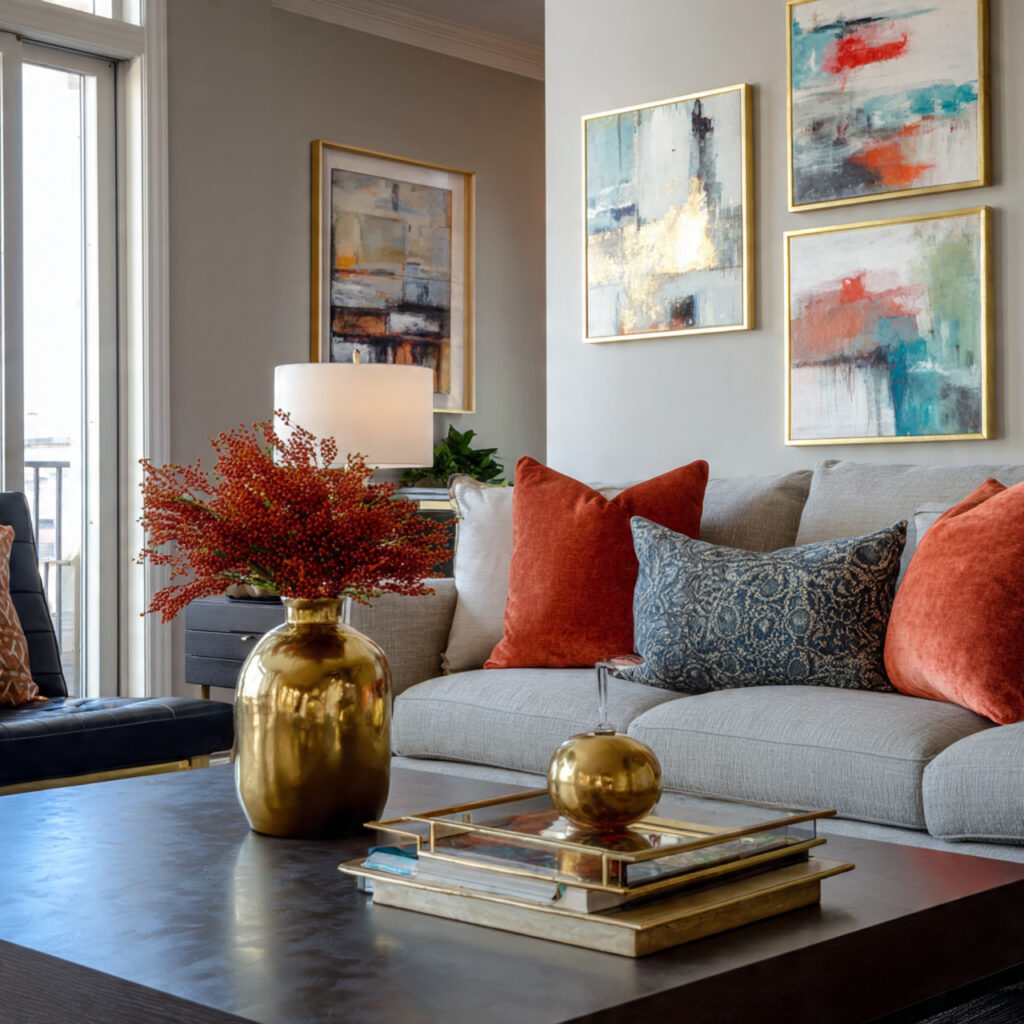
Artwork adds personality and emotional expression. Paintings, prints, or sculptures become conversation starters and focal points. Proper scale ensures pieces feel balanced and intentional.
Placement and framing affect visual impact, allowing each element to shine. Artwork introduces color, texture, and narrative without overwhelming the room.
Living Room Table Decor
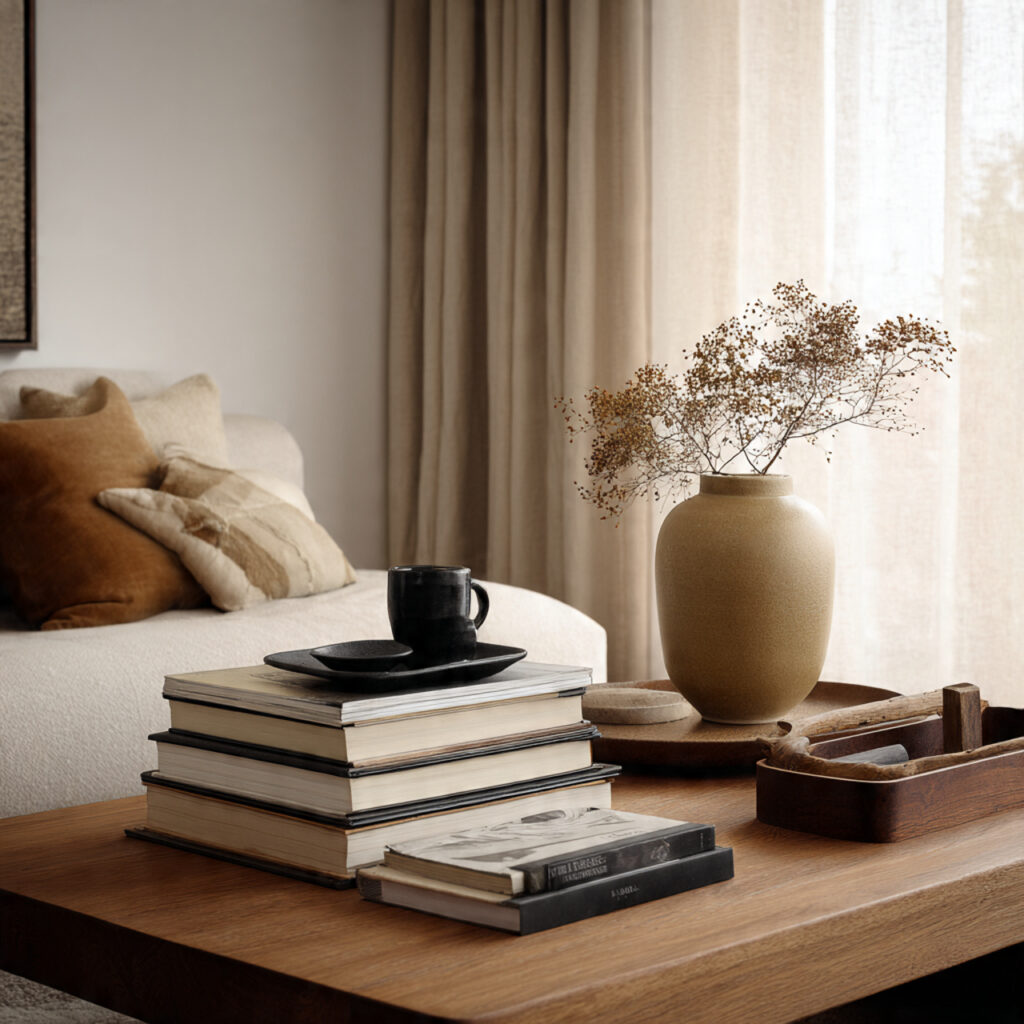
Table decor provides finishing touches while remaining functional. Books, trays, or simple accents add warmth and interest. Minimal styling preserves usability and avoids clutter.
Layering small decorative items enhances character subtly. Natural elements like flowers or wood create authenticity and texture. Thoughtful arrangements feel relaxed and approachable.
Living Room Background
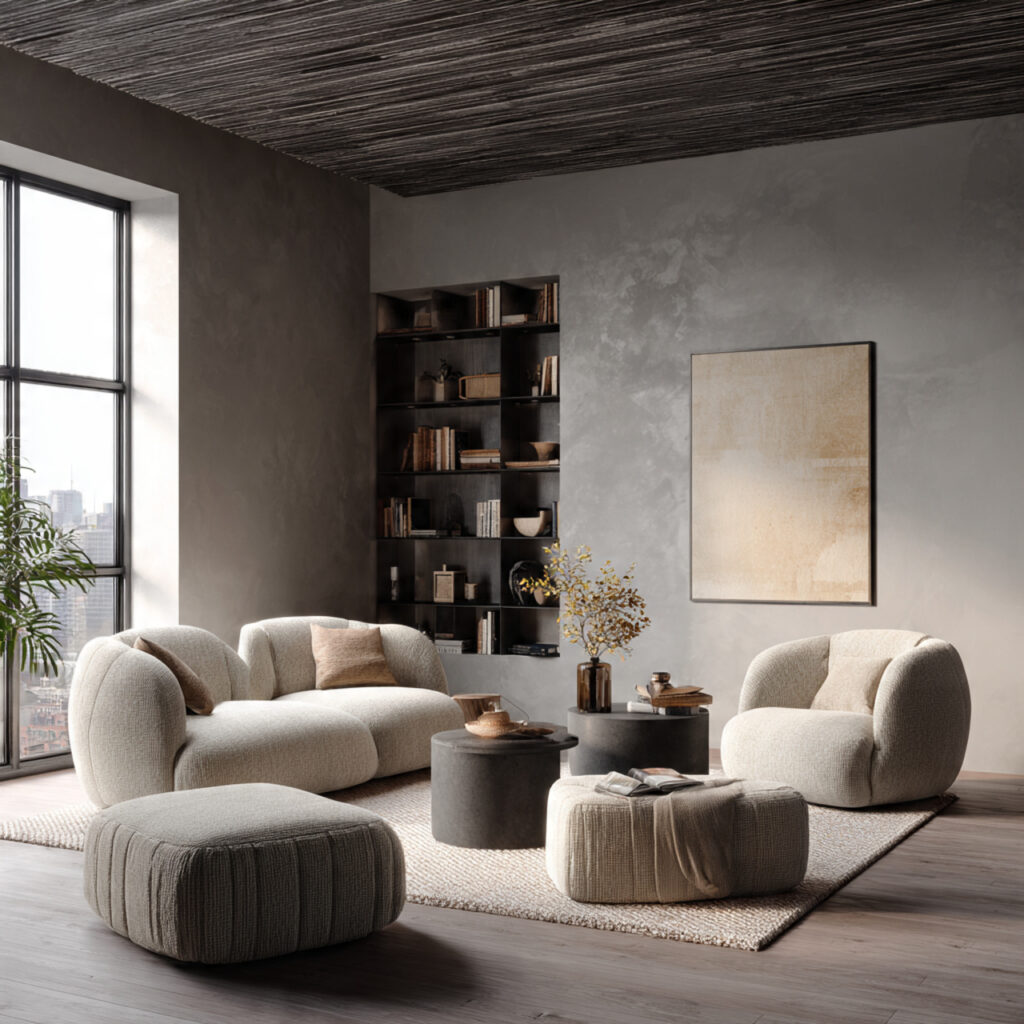
Background elements, such as walls, curtains, and finishes, form the visual foundation. Neutral tones keep the space open and adaptable. Subtle textures add depth without distraction.
A consistent background allows furniture and decor to stand out. Soft hues and simple finishes provide flexibility for future updates while maintaining balance.
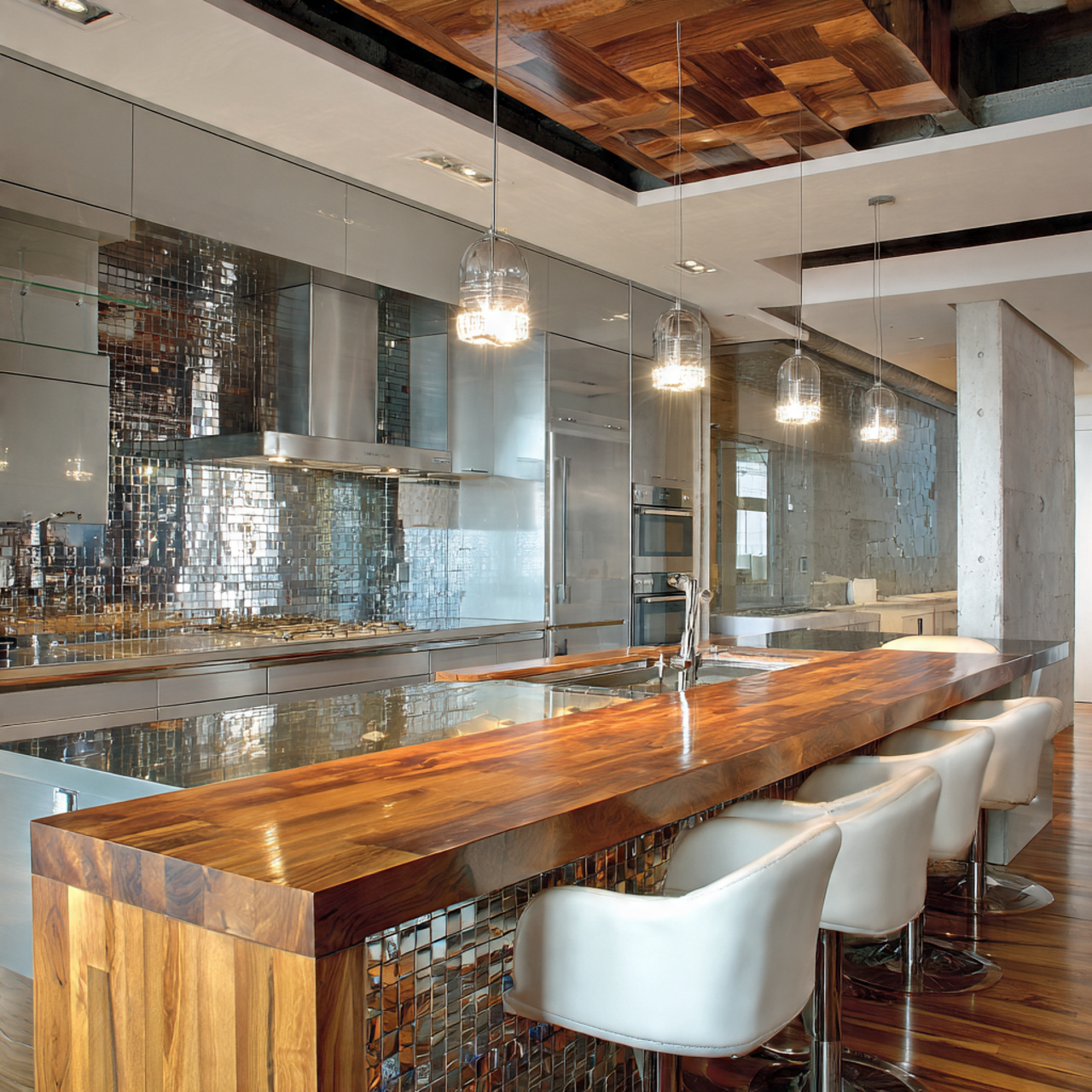
34. Living Room and Kitchen Together
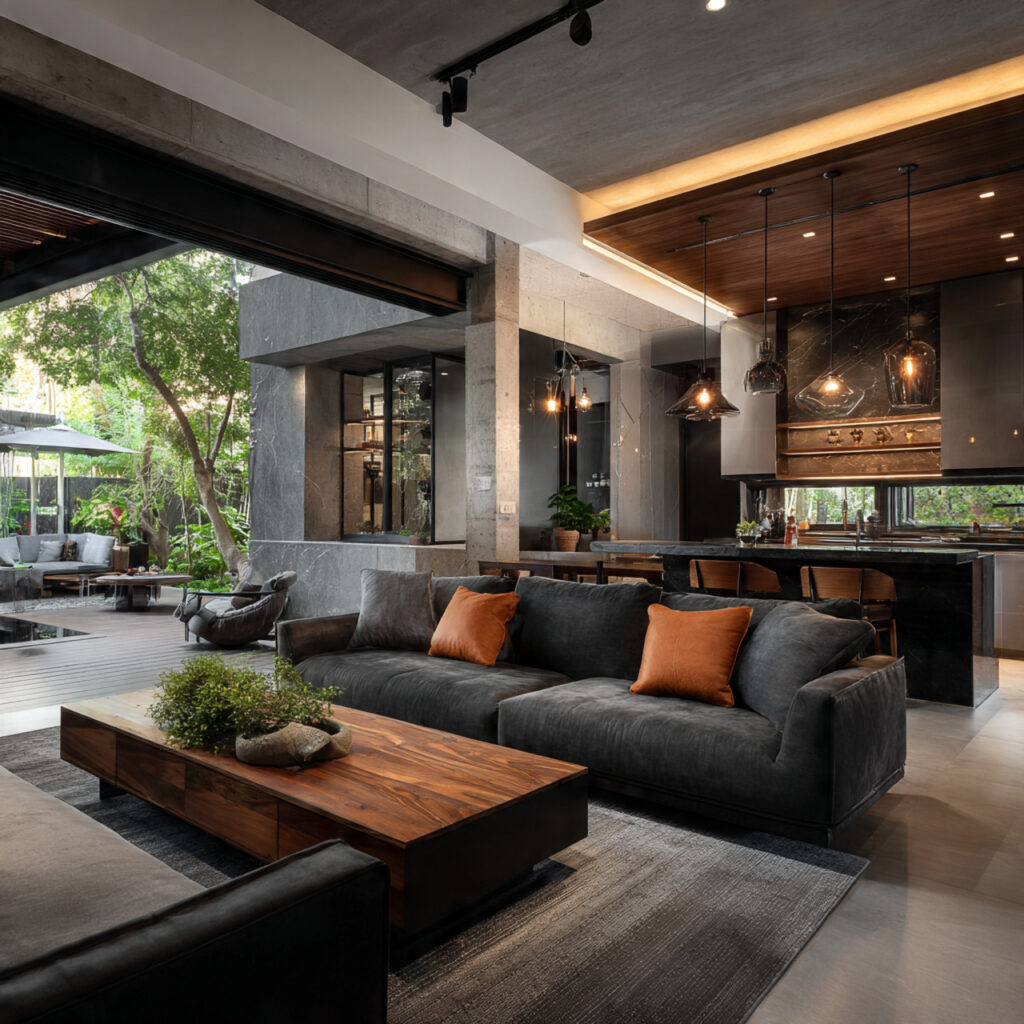
Combining living and kitchen areas encourages interaction and a sense of openness. Matching materials, colors, and lighting creates cohesion. Flow between spaces improves functionality.
Shared layouts foster social connection while defining zones subtly. Unified design ensures the home feels harmonious and welcoming without visual separation.
Frequently Asked Questions
How do I choose the right rug size?
Anchor the seating area by placing front legs of sofas and chairs on the rug.
What is the best color combination?
Neutral bases with soft accents maintain warmth, depth, and flexibility.
How can a small area feel bigger?
Open layouts, light colors, proportionate furniture, and good lighting create the illusion of space.
Are built-ins better than standalone furniture?
Built-ins provide a clean, seamless look and reduce visual clutter.
How do I balance style and comfort?
Start with functional, comfortable seating, then layer in decor and lighting. Comfort always enhances visual appeal.
Conclusion
A well-designed living room is more than just stylish—it supports daily life, relationships, and relaxation. Every decision, from rugs and colors to layouts and lighting, shapes how the living room feels and functions. Thoughtful design thrives on balance, intention, and authenticity, turning the living room into the heart of the home.