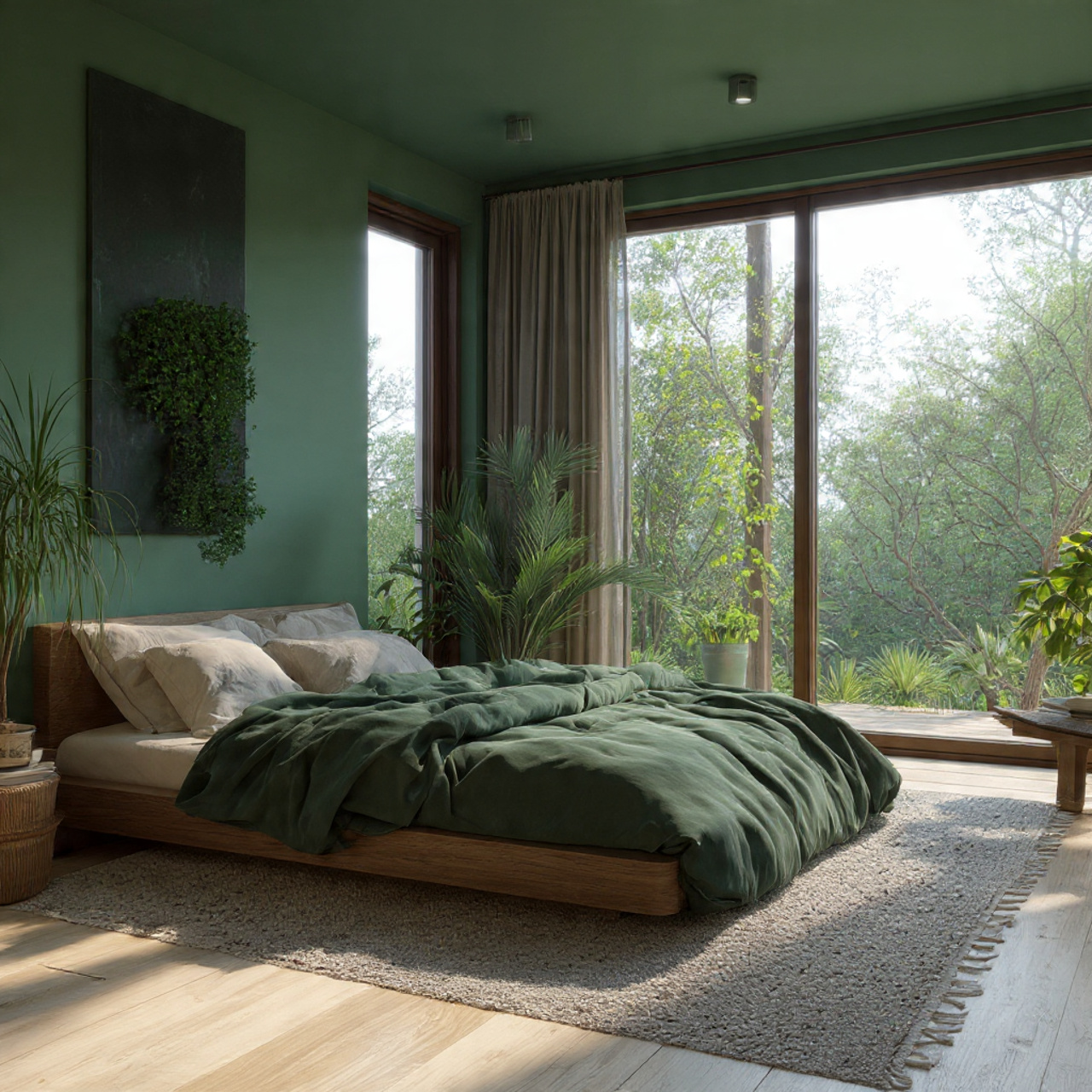
25 Best Painted Furniture Ideas to Transform Your Home
Painted furniture has become one of the most accessible and impactful ways to breathe new life into your home décor. From old dressers to thrifted chairs, a fresh coat of paint can turn ordinary furniture into statement pieces that reflect your personality. Beyond aesthetics, painting furniture is also a sustainable way to reuse and upcycle pieces that might otherwise end up in landfills. Whether you prefer bold, vibrant colors or soft, muted tones, painted furniture offers endless possibilities to elevate your living spaces.
The beauty of painted furniture lies in its versatility. You can match it with any interior style—from farmhouse and shabby chic to modern minimalist. By combining different techniques like distressing, layering, and stenciling, you can create unique textures and finishes. The process also provides a satisfying DIY experience, giving you the joy of hands-on creativity while saving money on brand-new furniture. Let’s explore 25 inspiring painted furniture ideas that can transform your home.
Farmhouse Charm with Neutral Hues
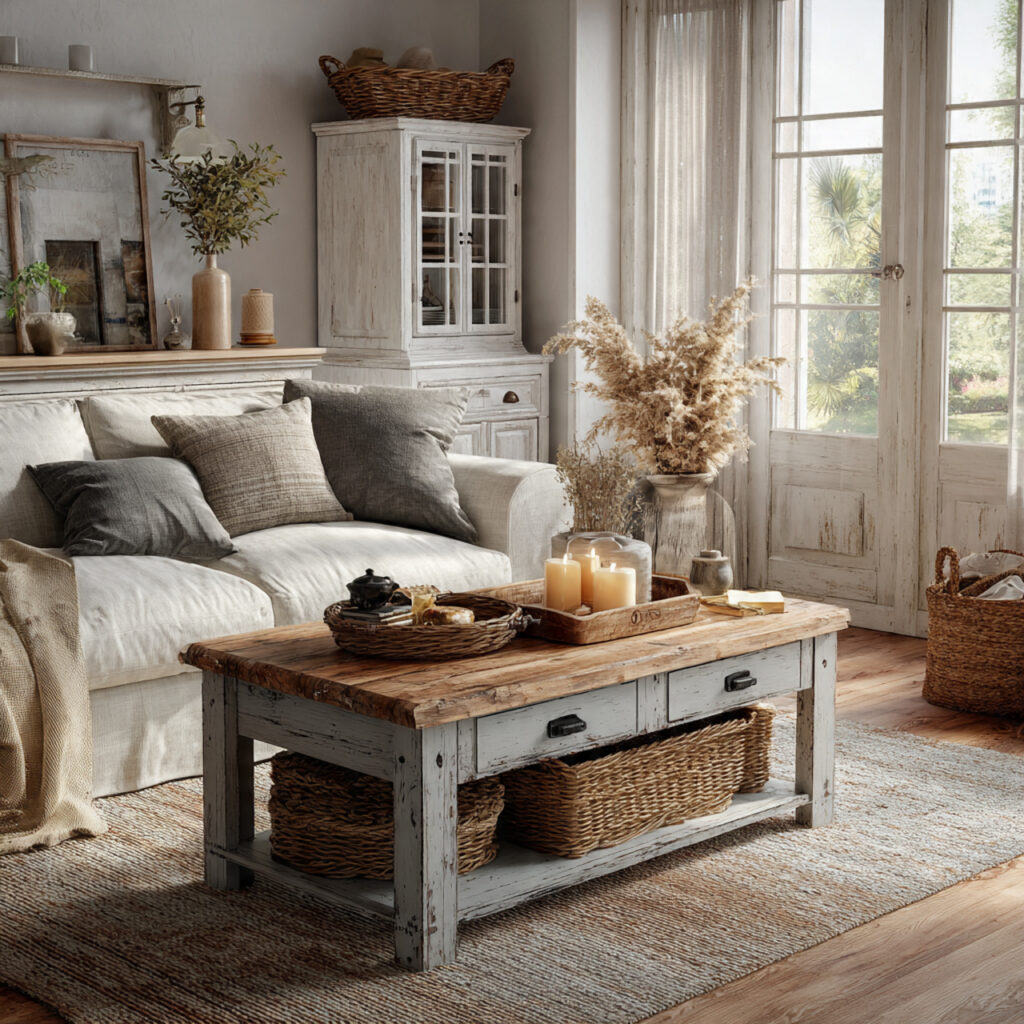
Neutral tones like whites, creams, and soft grays create a farmhouse-inspired ambiance when applied to furniture. A distressed white dresser or a muted gray coffee table instantly adds warmth and coziness to a living room or bedroom. These colors are timeless and work well with wooden accents, woven baskets, and linen fabrics.
Pairing neutral painted furniture with natural textures enhances the rustic feel. You can also add subtle decorative details like vintage knobs or stenciled patterns to personalize your pieces. The combination of soft paint colors and rustic elements brings out the classic charm of farmhouse décor without overwhelming the room.
Bold Statement Colors
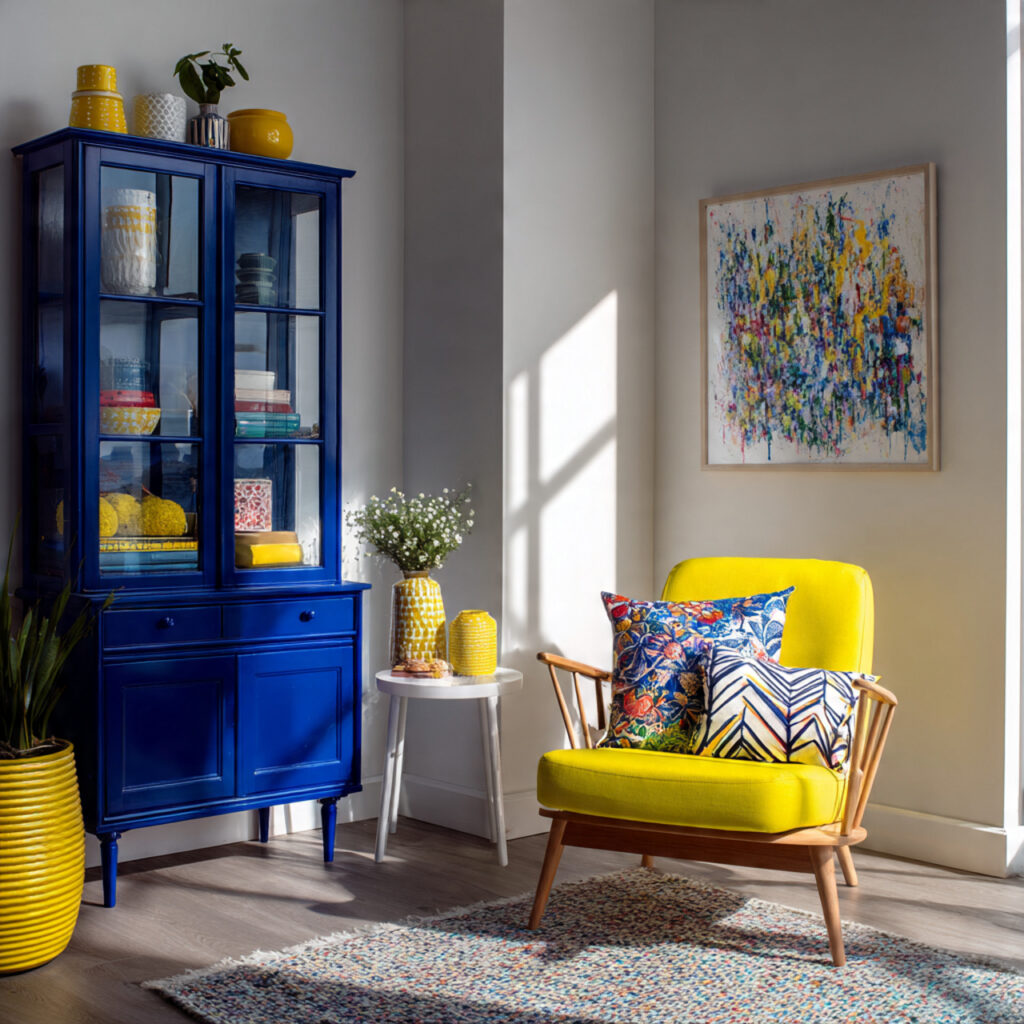
Bright and bold colors like cobalt blue, emerald green, or sunny yellow can transform an ordinary piece of furniture into the focal point of a room. A vibrant painted cabinet or chair instantly draws attention and adds personality to a neutral space. Bold colors also work well in eclectic interiors, where contrasting tones create a lively atmosphere.
To balance bold furniture, consider keeping surrounding walls and décor minimal. Adding complementary accessories like throw pillows, rugs, or artwork can tie the color scheme together. Bold painted furniture not only refreshes a room but also reflects your adventurous design style.
Ombre and Gradient Finishes
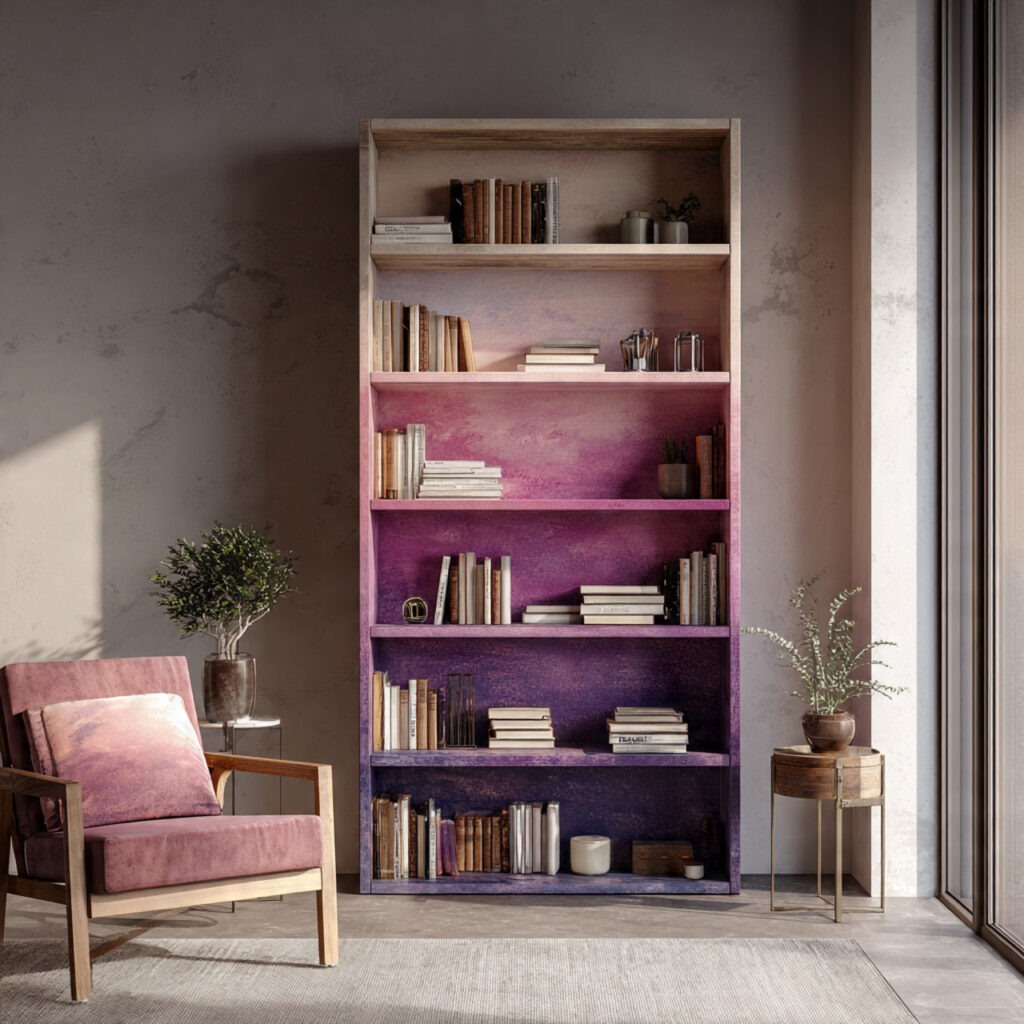
Ombre effects, where colors gradually transition from light to dark, are perfect for adding depth and sophistication. This technique works beautifully on bookshelves, side tables, or headboards. Gradients can be subtle, using shades of the same color, or dramatic with contrasting tones.
Creating an ombre finish requires patience and blending techniques, but the results are visually striking. The effect gives furniture a modern, artistic flair, turning even simple pieces into conversation starters. Ombre painted furniture can complement both contemporary and eclectic interiors seamlessly.
Two-Tone Color Combinations
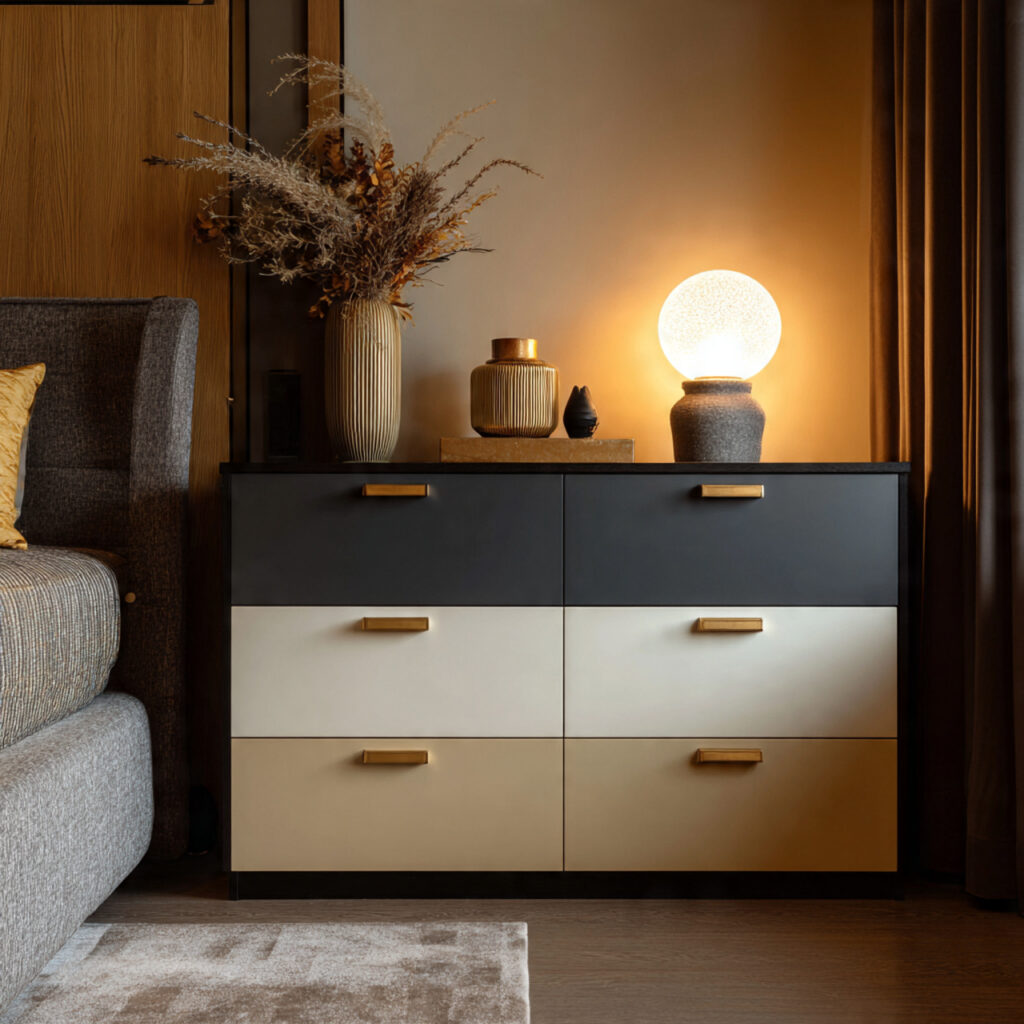
Painting furniture in two colors allows you to highlight its architectural details. For example, you could paint a dresser body in a neutral color and its drawers in a contrasting shade. This technique adds visual interest and emphasizes the furniture’s structure.
Two-tone painted furniture works especially well in kitchens, entryways, and kids’ rooms. By using complementary or contrasting colors, you can create a playful or sophisticated effect. This approach is ideal for breathing new life into outdated or overlooked pieces.
Chalk Paint for Vintage Appeal

Chalk paint is widely popular for achieving a vintage or shabby chic look. Its matte finish and ease of use make it ideal for beginners. A chalk-painted nightstand or chair can evoke nostalgia while complementing modern décor elements.
This type of paint is also versatile for distressing and layering techniques. You can sand edges lightly to reveal the underlying wood or a base color, creating a naturally aged appearance. Chalk-painted furniture provides charm and character with minimal effort.
Milk Paint for Rustic Elegance
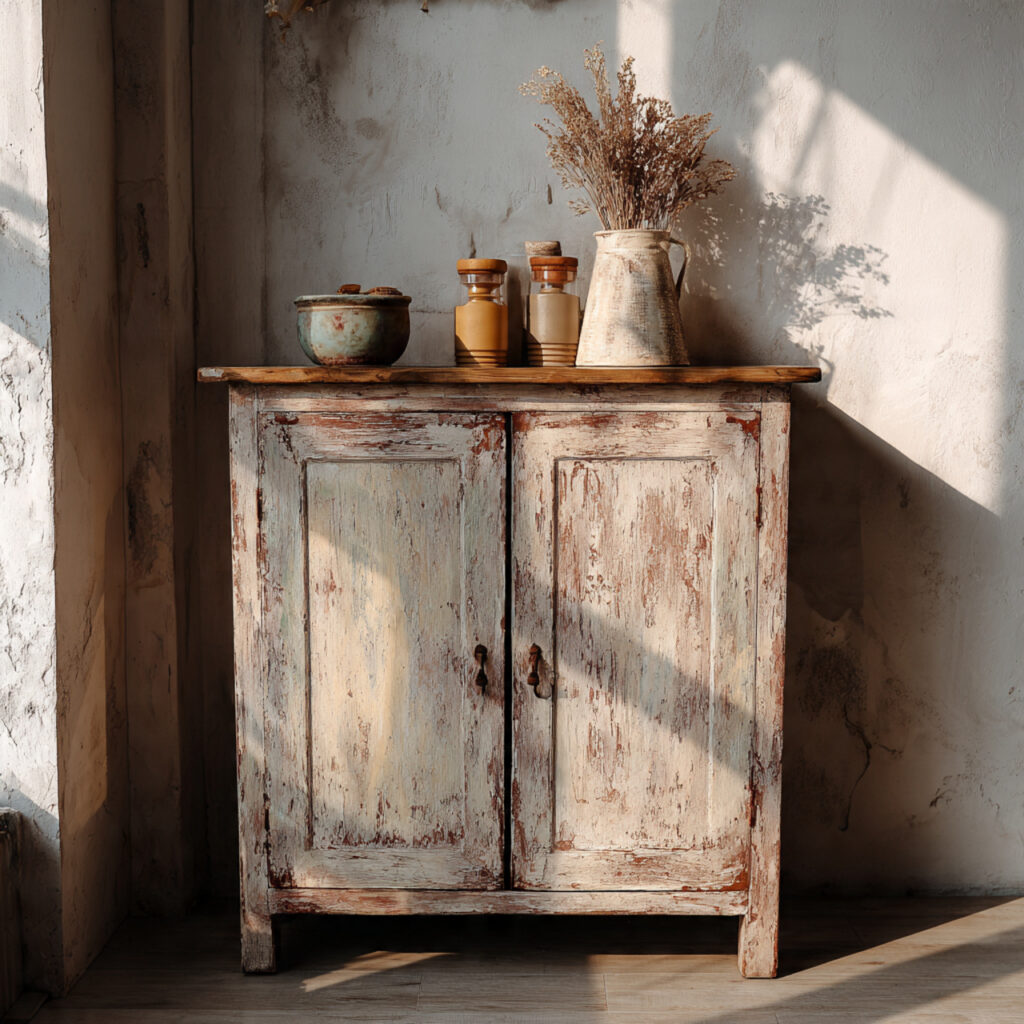
Milk paint is another fantastic option, especially for wood furniture. Its natural pigments and powder-to-water formula create a textured, old-world finish. Milk paint is perfect for cabinets, tables, and antique pieces that need a rustic touch.
Beyond aesthetics, milk paint is eco-friendly and non-toxic, making it safe for children’s furniture and dining tables. Its uneven finish and crackling effects add authenticity and warmth, offering a unique handcrafted appeal that factory-finished furniture often lacks.
Metallic Finishes for Glamour
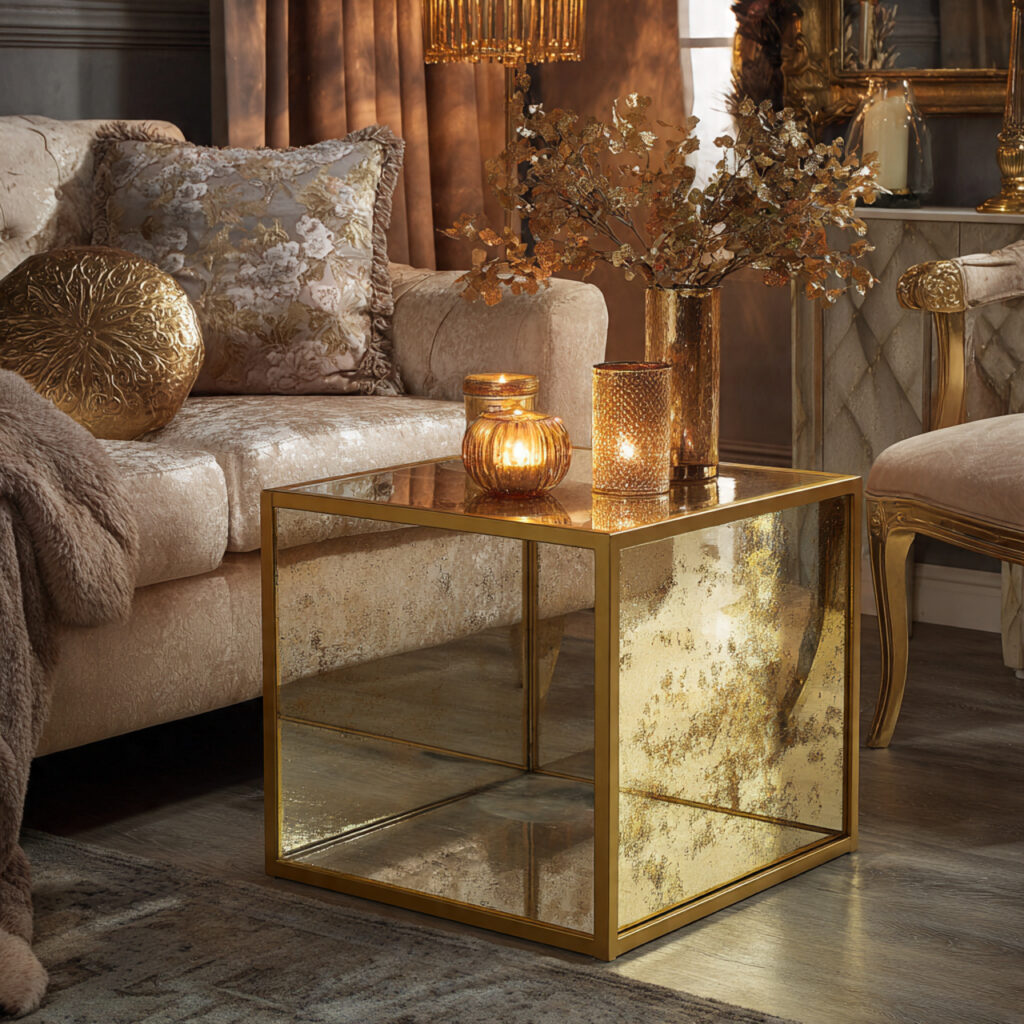
Adding metallic paint, such as gold, silver, or bronze, can give furniture a glamorous touch. Metallic painted furniture works well on accent tables, chairs, or decorative cabinets. Even a small metallic detail on a drawer or leg can elevate the overall look of a room.
Pair metallic furniture with soft neutrals or dark jewel tones for a luxurious contrast. The reflective surfaces catch light beautifully, making the piece a focal point. Metallic finishes are ideal for adding sophistication without needing elaborate décor.
Distressed and Weathered Effects
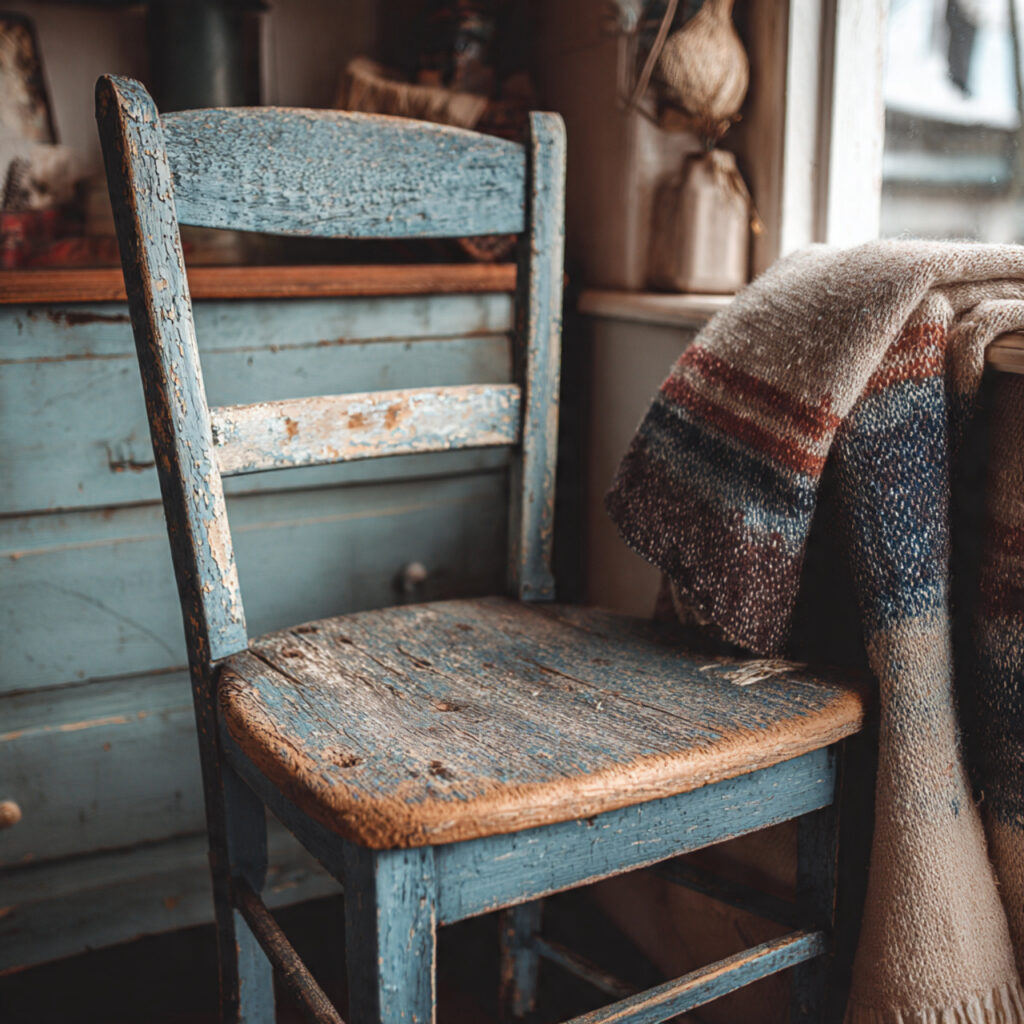
Distressed painted furniture adds character by giving the impression of age and history. Sanding edges, applying layers of paint, or using crackle mediums can achieve this worn look. Distressed furniture fits perfectly in farmhouse, shabby chic, or vintage-inspired interiors.
This technique is also forgiving if your painting skills are still developing. Even accidental imperfections can enhance the rustic charm. Distressed painted furniture allows old pieces to shine while telling a story of their past.
Ombre Stenciling for Patterns
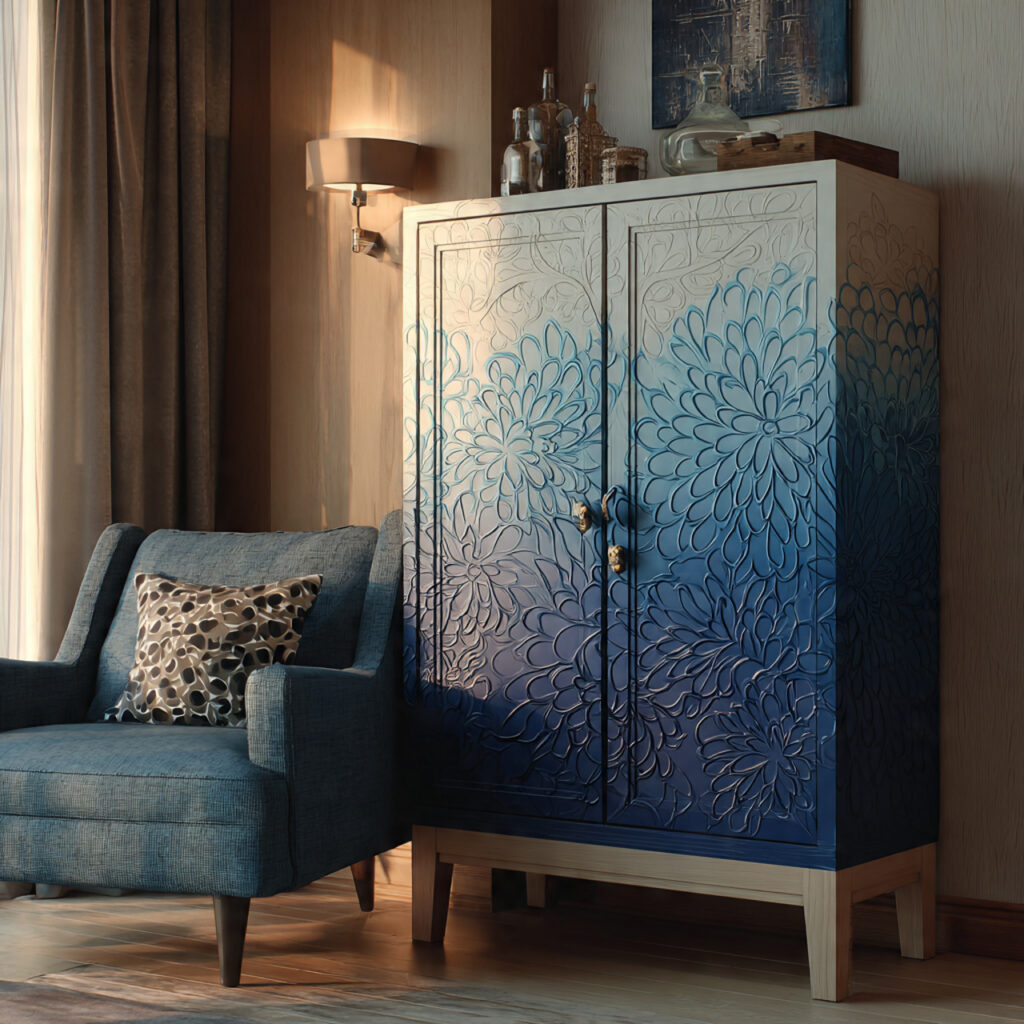
Combine stenciling with ombre techniques to add intricate designs to painted furniture. This works beautifully on cabinet doors, drawer fronts, or table surfaces. Patterns can range from geometric to floral, giving you endless creative possibilities.
Ombre stenciled furniture combines art with functionality. It’s a great way to customize a piece to match your décor or theme. These hand-crafted designs make furniture stand out while showcasing your artistic flair.
Furniture Makeover with Decoupage
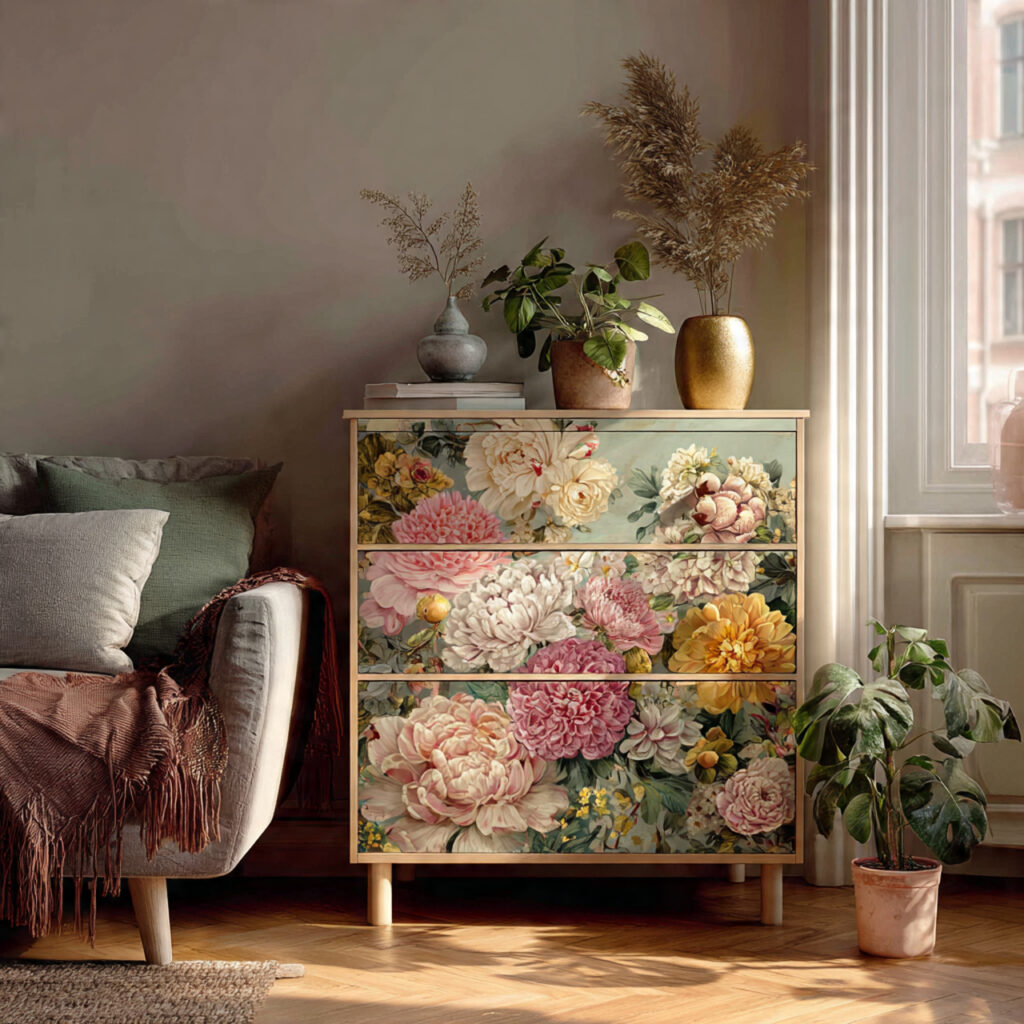
Decoupage involves adding paper or fabric designs to furniture surfaces before sealing them with paint or varnish. This technique is perfect for adding floral patterns, maps, or even personal artwork. Painted furniture with decoupage instantly becomes unique and eye-catching.
Decoupage also allows you to personalize thrifted or old furniture without complete repainting. Pair it with soft base colors or chalk paint to create a balanced, artistic finish. It’s an ideal technique for DIY enthusiasts looking to express creativity.
Two-Tone Distressed Cabinets
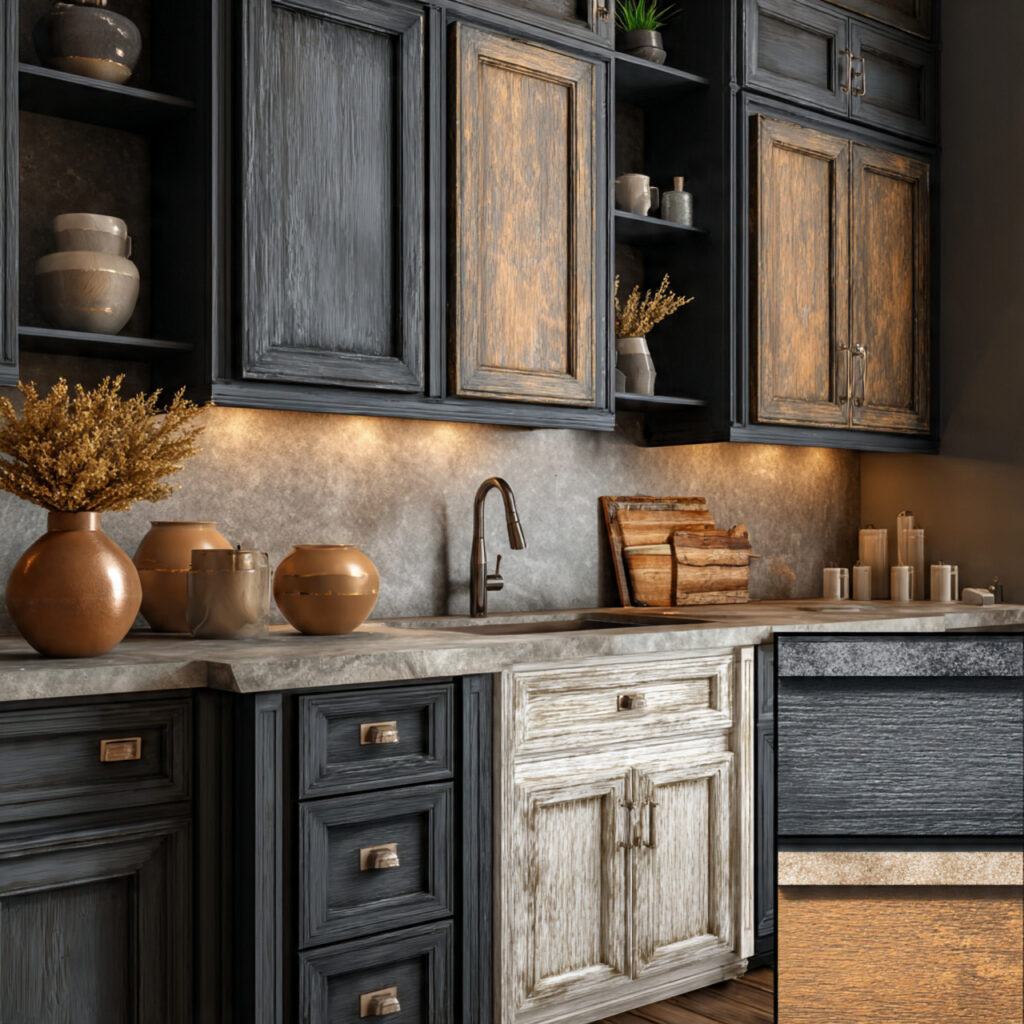
Combine the drama of two-tone paint with a distressed finish for a bold yet charming effect. For instance, a darker top half and a lighter bottom half with sanded edges can create depth and visual intrigue.
This technique works well for kitchen cabinets, sideboards, or armoires. Two-tone distressed furniture blends modern and vintage elements, making it versatile enough to fit multiple interior styles.
Pastel Colors for Soft Spaces
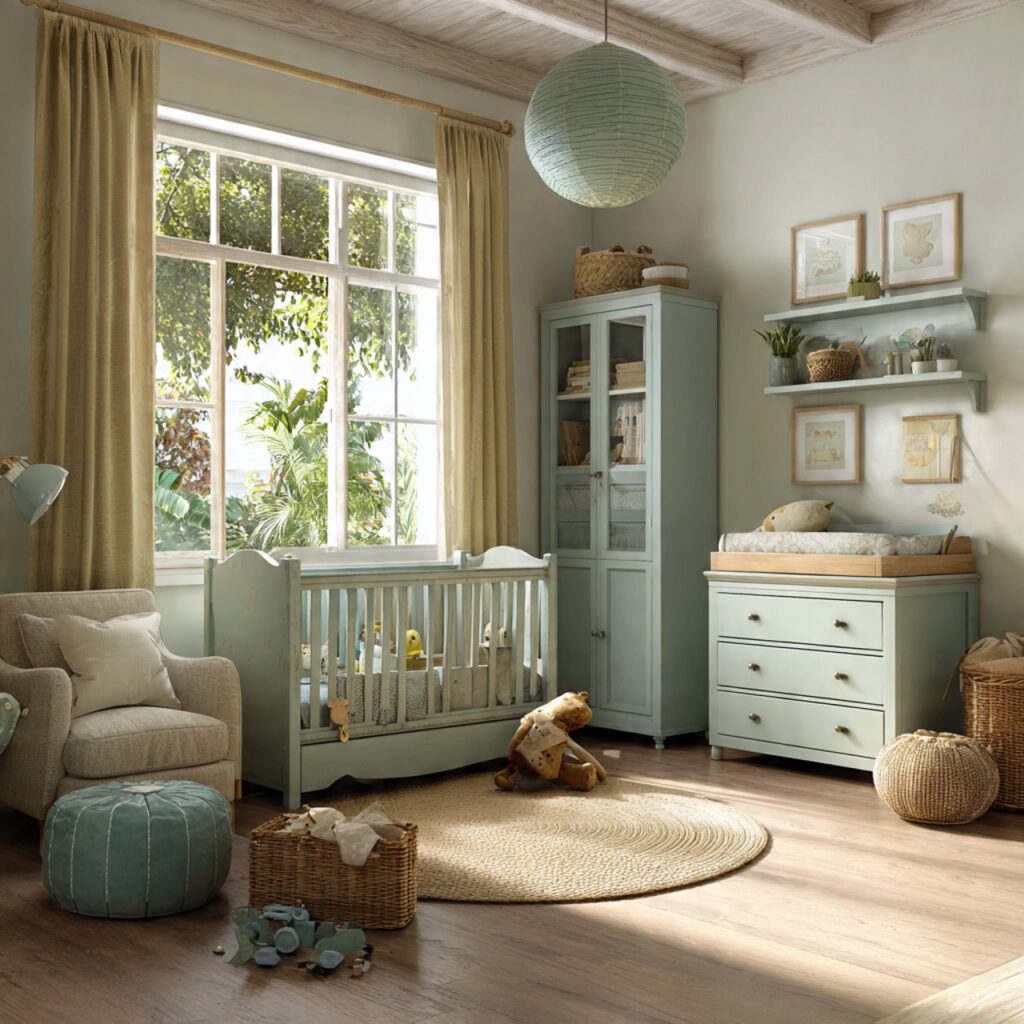
Soft pastel shades like mint green, baby blue, or blush pink are perfect for nurseries, bedrooms, or cozy living rooms. Pastel painted furniture exudes calmness and serenity while brightening spaces without overwhelming them.
Pastel tones pair beautifully with natural woods, whites, and soft textiles. These subtle colors are also perfect for mixing and matching different furniture pieces in the same room for a harmonious look.
Monochrome Minimalism

Painting furniture in a single, consistent color can create a minimalist aesthetic. White, black, or gray furniture pieces add elegance and simplicity to modern interiors. Monochrome painted furniture helps maintain a clean, uncluttered look.
Minimalist painted furniture can also serve as a blank canvas for seasonal décor, artwork, or textiles. This approach emphasizes shape, lines, and form, allowing the furniture’s structure to shine.
Bold Patterns on Chairs
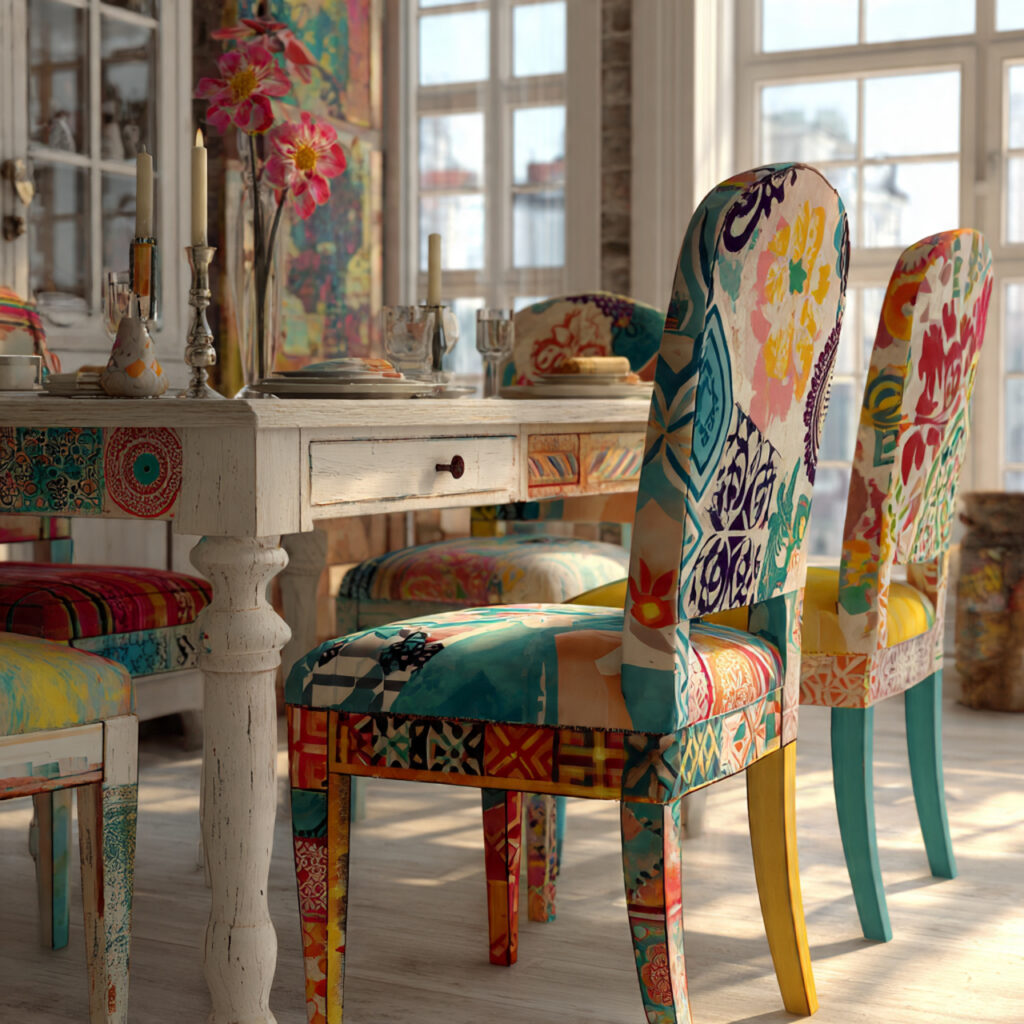
Adding geometric or floral patterns to chair seats or backs creates playful focal points. Stenciling, freehand painting, or using painter’s tape to create designs can elevate simple chairs to statement pieces.
Patterned painted furniture works well in dining rooms, home offices, or kids’ rooms. Even small touches of pattern can break monotony and infuse personality into otherwise plain furniture.
Upcycled Wooden Pallets
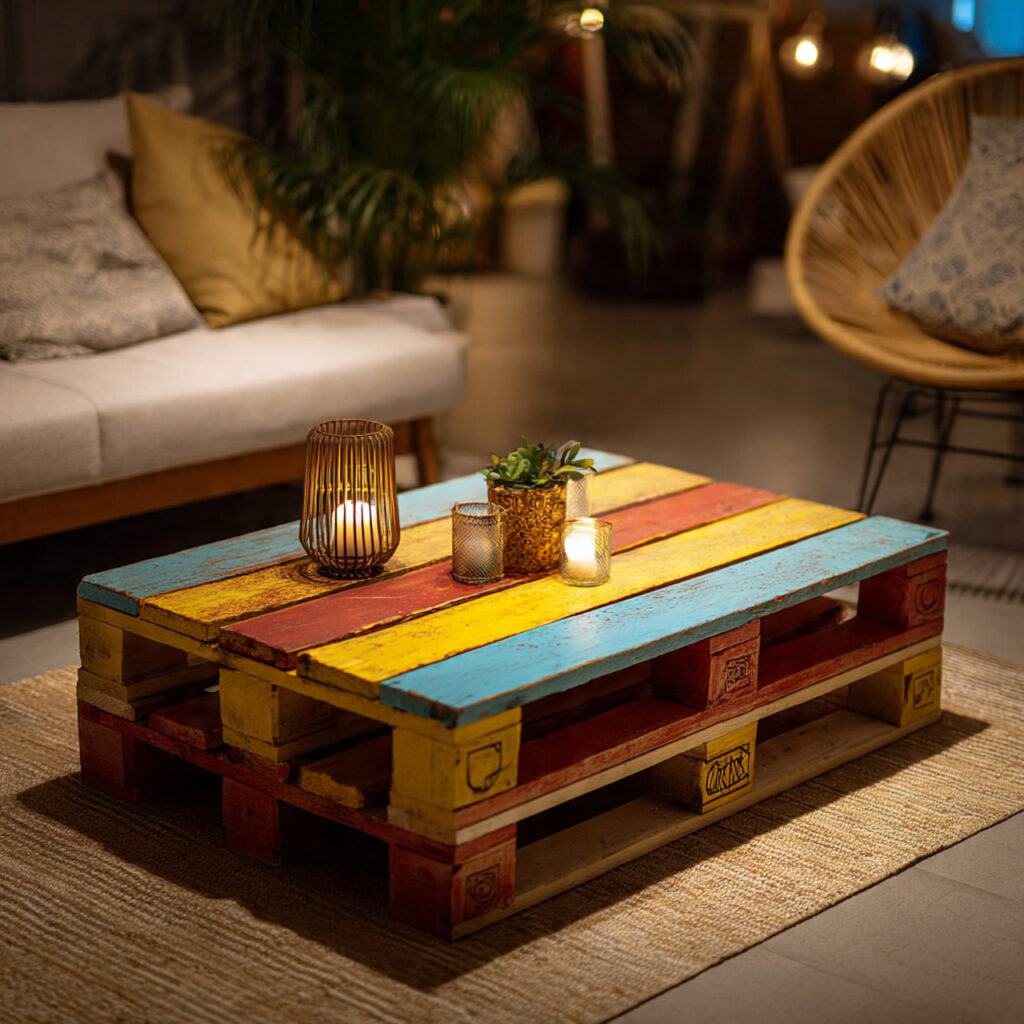
Wooden pallets can be transformed into benches, tables, or shelves with a fresh coat of paint. This approach is sustainable, budget-friendly, and highly creative. Painted pallet furniture often adds a rustic or industrial charm to interiors.
By sanding, priming, and painting pallets in vibrant or muted tones, you can create functional art. These pieces work well in outdoor patios, living rooms, or craft spaces, making them versatile and environmentally conscious.
Color-Blocked Drawers
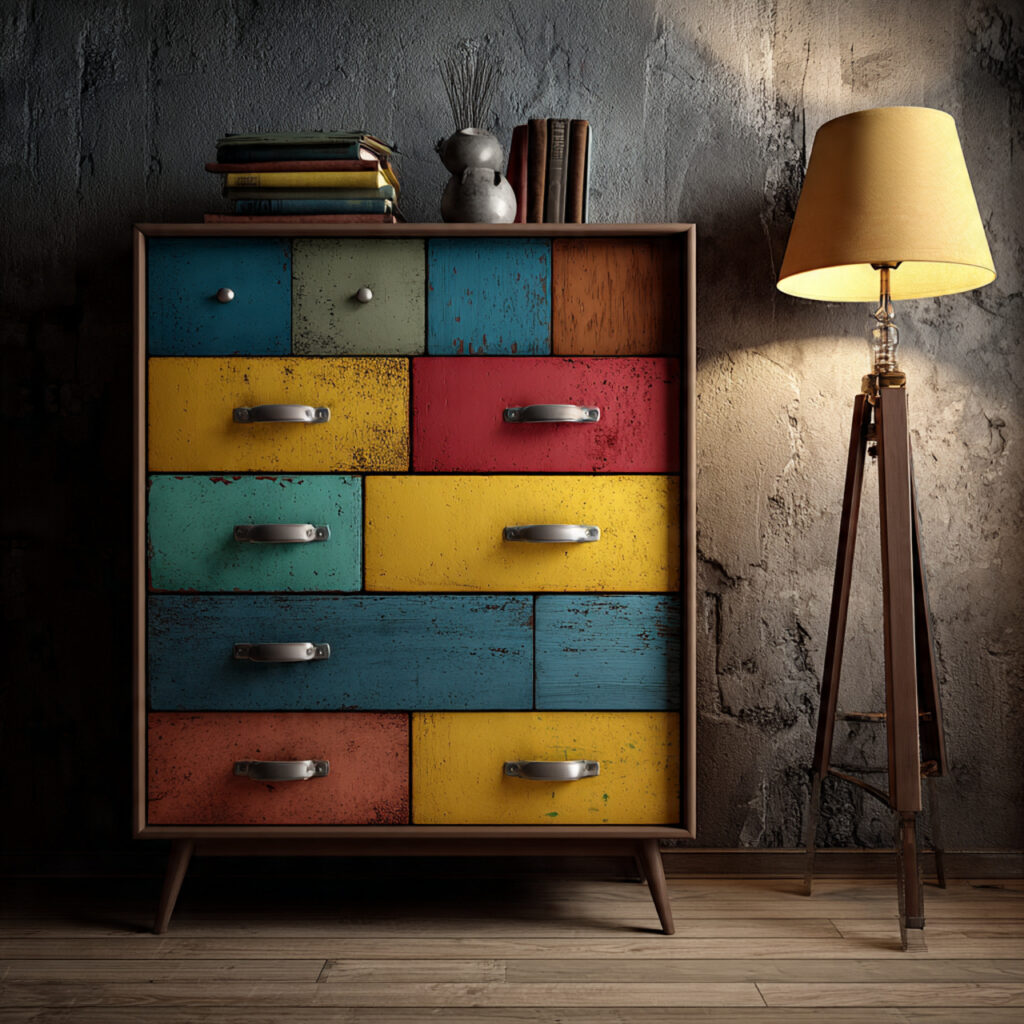
For dressers or storage units, painting each drawer a different color can create a playful, modern look. Color-blocked painted furniture works well in kids’ rooms, offices, or eclectic interiors.
This technique allows for endless combinations, from complementary tones to contrasting shades. It also turns a standard storage piece into a centerpiece that adds energy and personality to a room.
Textured Paint Effects
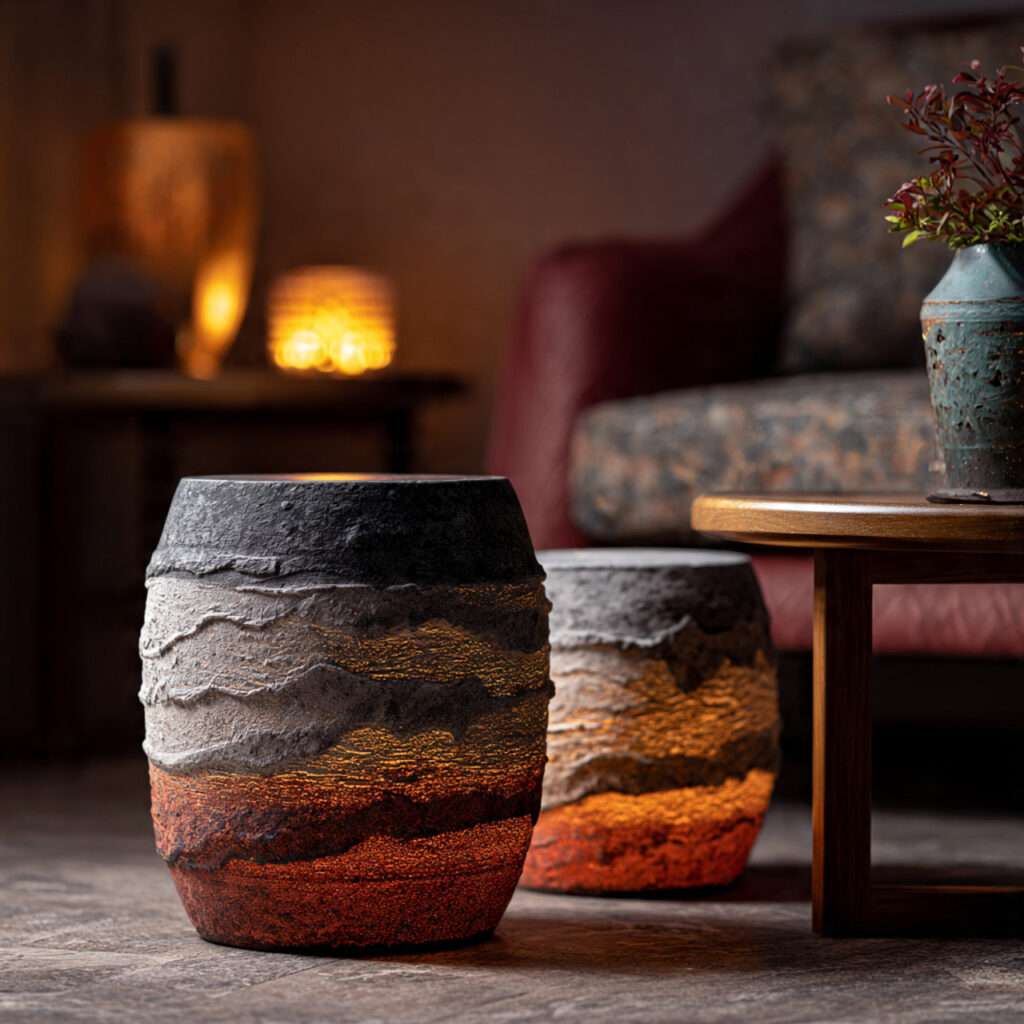
Using textured paints or additives can give furniture a unique, tactile surface. This method works beautifully on tables, cabinets, or accent pieces. The texture adds dimension and interest to painted furniture beyond simple color.
Textured finishes also hide minor imperfections and add a handcrafted feel. Pairing textured paint with matte or metallic finishes can create a striking and sophisticated look.
Painted Furniture with Chalkboard Surfaces
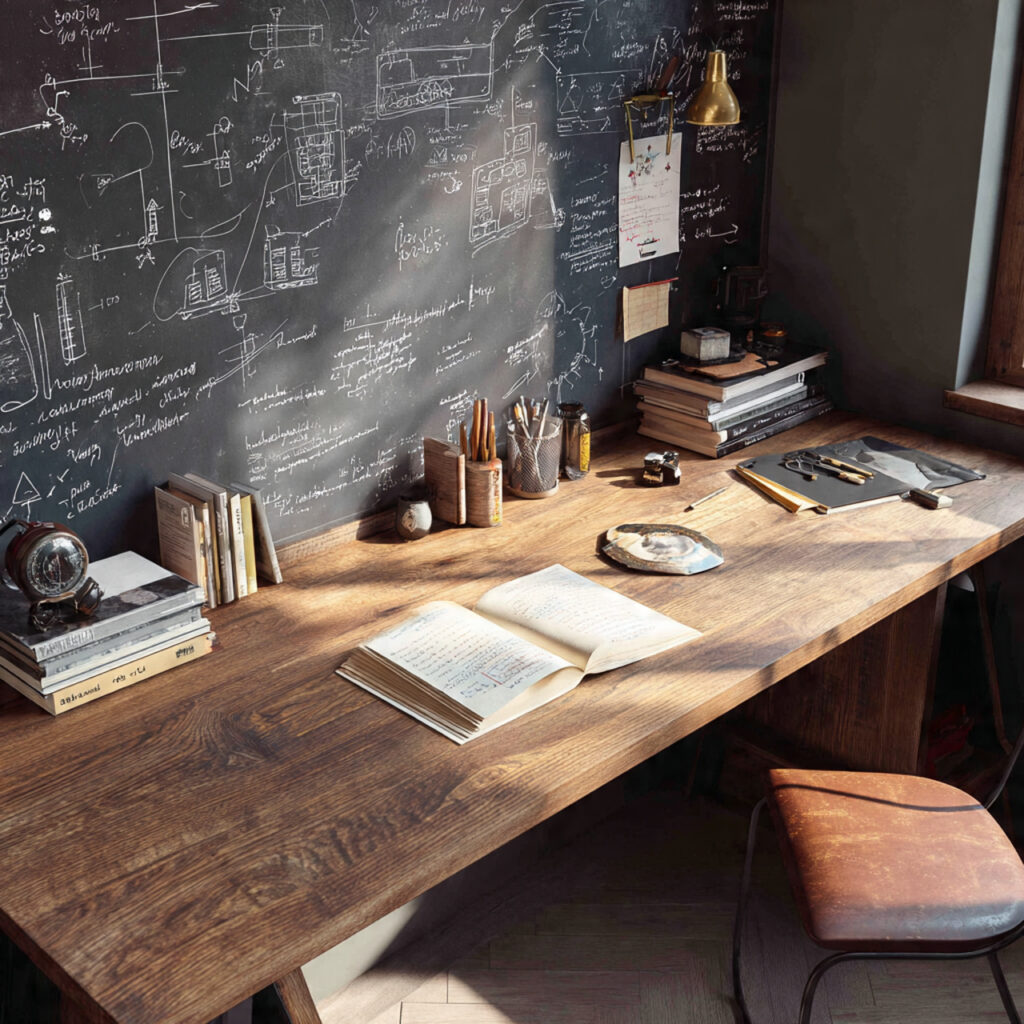
Painting parts of furniture with chalkboard paint adds both style and functionality. This works well on kitchen cabinets, desks, or kids’ furniture. It provides a surface for notes, drawings, or menus, combining utility with design.
Chalkboard painted furniture is also interactive, making it perfect for homes with children or creative workspaces. The matte black finish can contrast beautifully with surrounding painted surfaces.
Layered Color Techniques
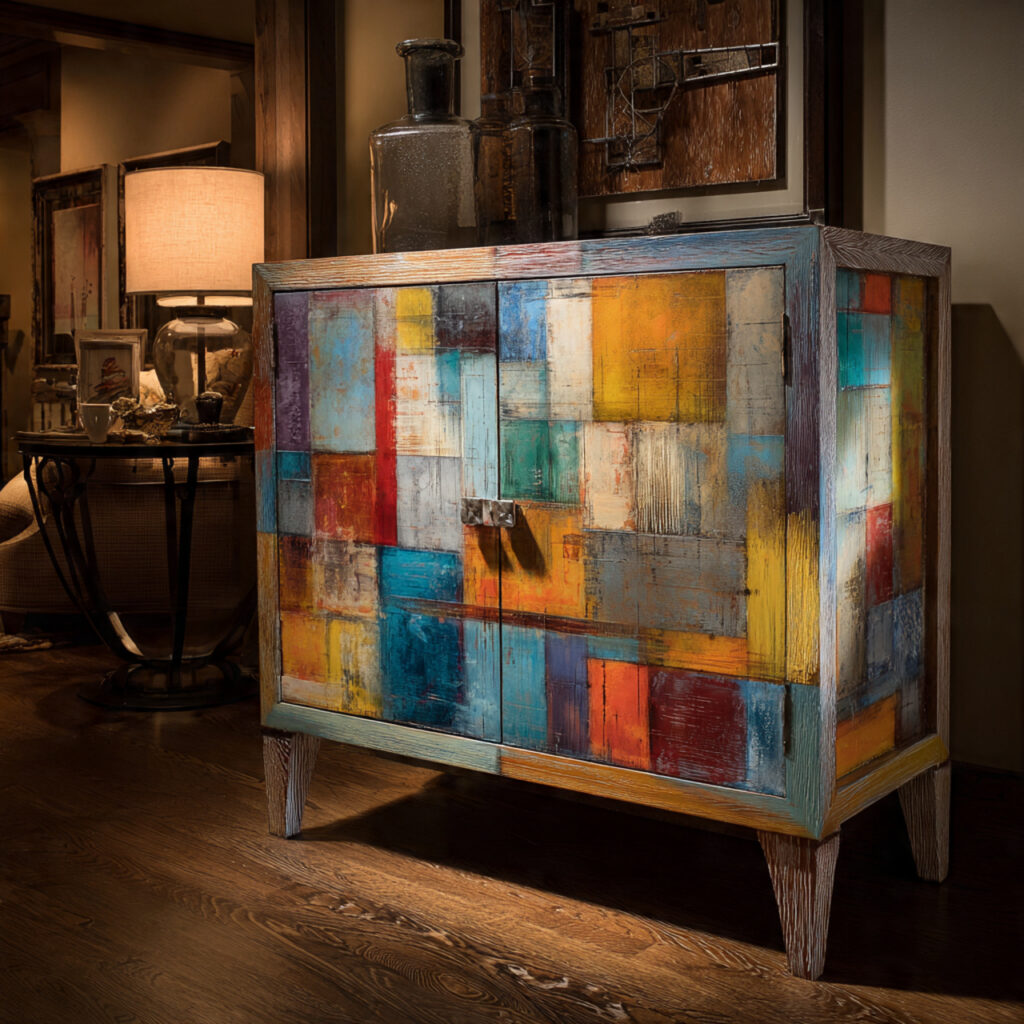
Applying multiple layers of colors and sanding selectively can produce a layered, dimensional look. This technique works well with tables, cabinets, or shelving units. The layers can be complementary or contrasting depending on the effect you desire.
Layered painted furniture often gives the illusion of depth and texture, adding a professional touch to DIY projects. It also allows experimentation with colors you may not have tried in a single coat.
Painted Furniture with Metallic Accents
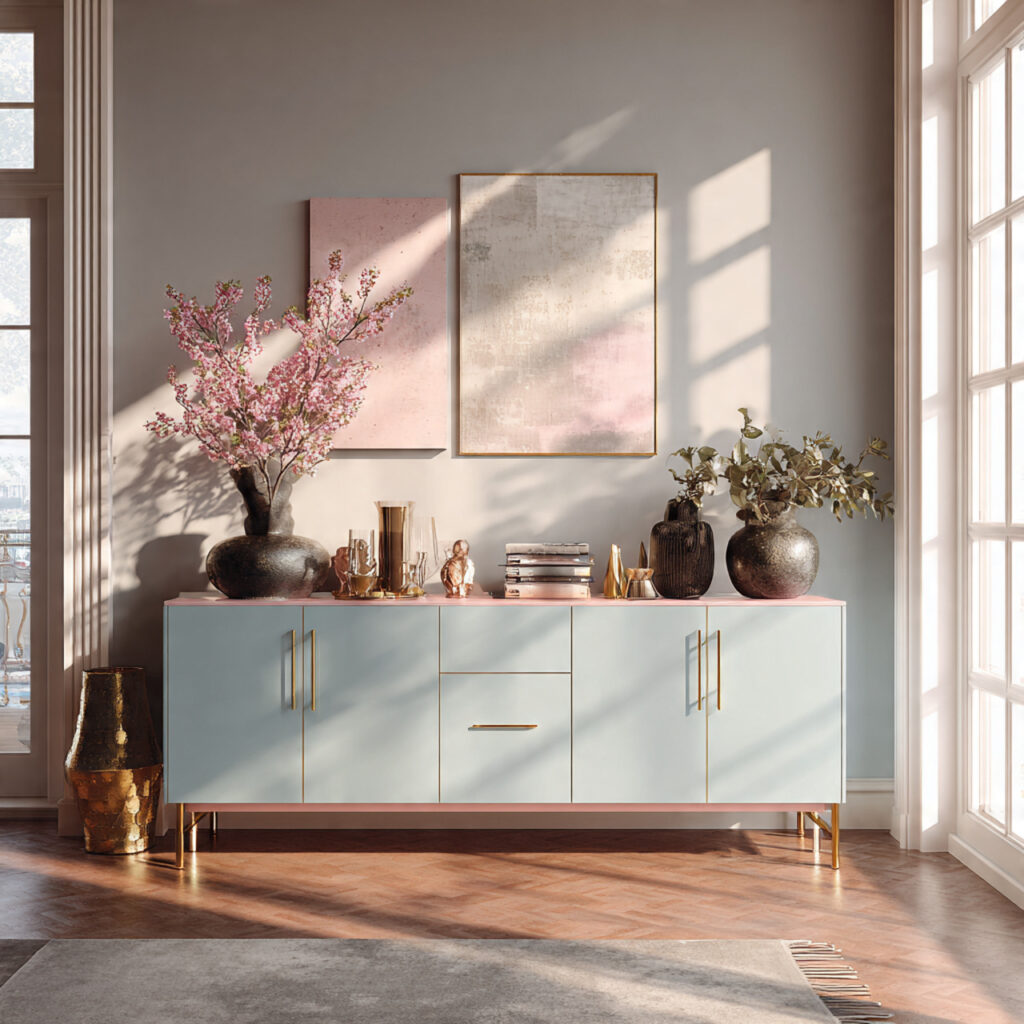
Highlighting edges, handles, or carvings with metallic paint adds subtle elegance. This approach works on side tables, dressers, and chairs. Even small metallic touches can make painted furniture feel luxurious and curated.
Metallic accents work particularly well when paired with matte or pastel base colors. This combination adds sophistication while maintaining a cozy, approachable aesthetic.
Geometric Painted Cabinets
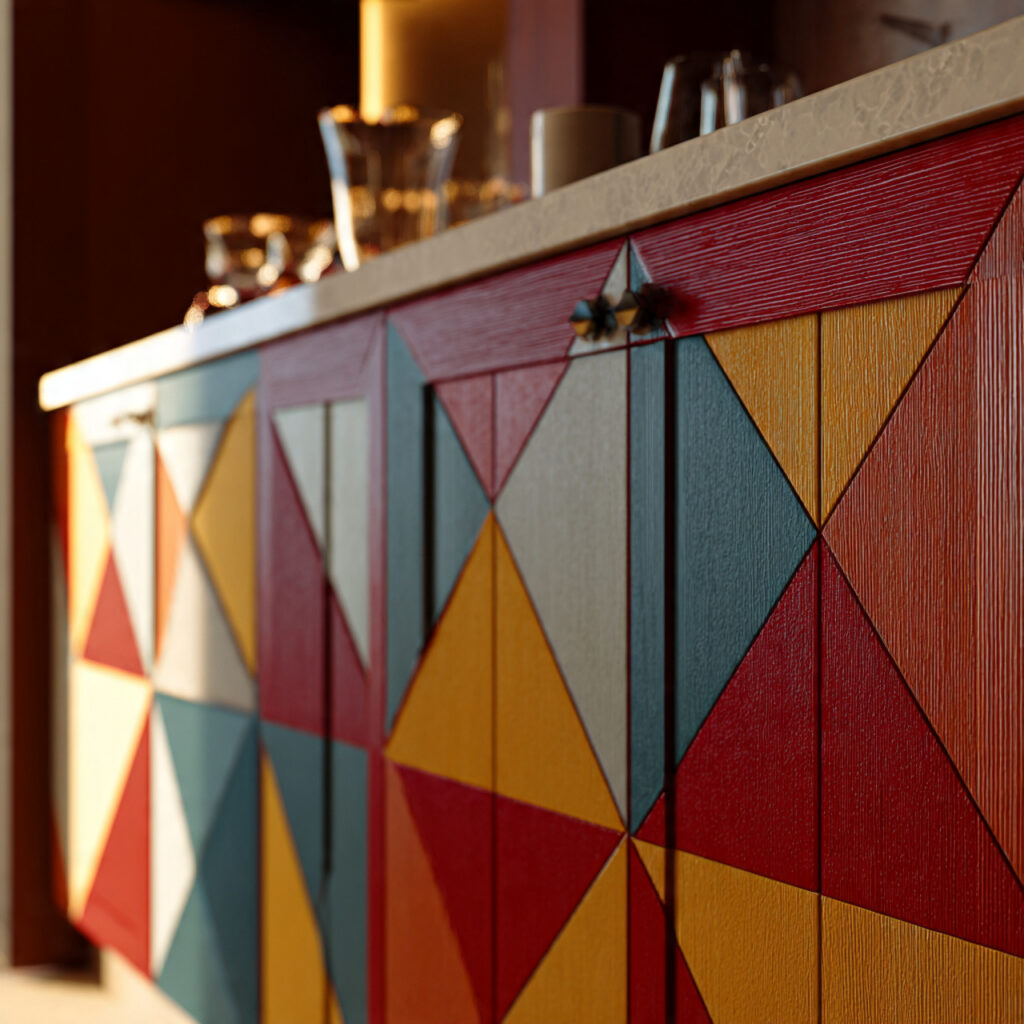
Creating geometric patterns with tape and paint transforms plain cabinets into artistic statements. Triangles, diamonds, or chevron patterns work well for modern kitchens or living rooms. Geometric painted furniture feels contemporary and dynamic.
This technique requires precision but produces bold results. You can experiment with color combinations to match your interior palette, creating a cohesive and stylish look.
Ombre Tables for Dining Spaces
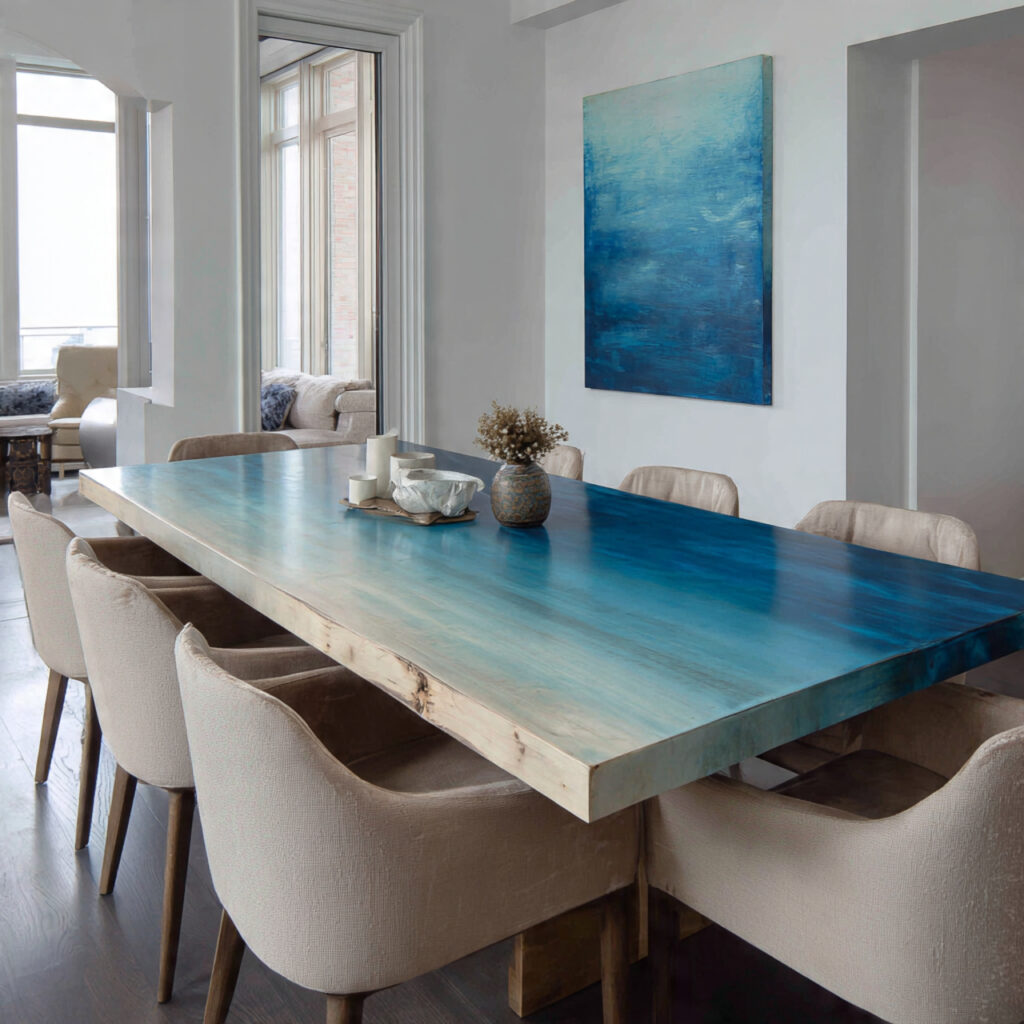
Painting a dining table in an ombre effect adds a stunning visual element to mealtimes. Gradually blending colors across the surface creates interest and draws the eye. Ombre painted furniture in dining areas feels artistic and inviting.
Pairing the table with neutral chairs ensures the ombre effect stands out. This technique works especially well with long, rectangular tables or extendable dining furniture.
Vintage Suitcase Side Tables
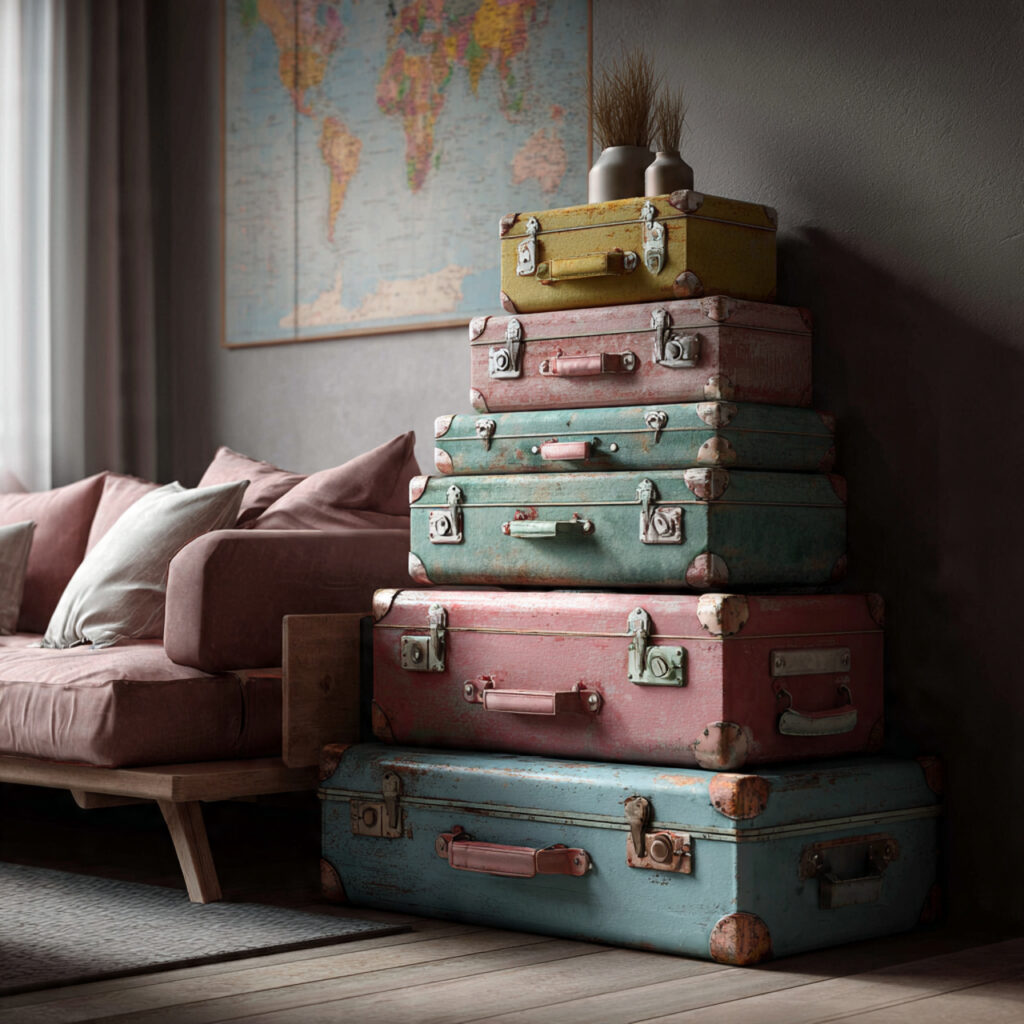
Repurposing vintage suitcases into side tables and painting them adds nostalgia and creativity. Painted furniture like this becomes both functional and a conversation starter. Suitcases stacked and painted in coordinating colors create unique storage solutions.
This DIY approach blends vintage charm with practicality. With careful painting and sealing, suitcase side tables become durable and stylish pieces suitable for living rooms or bedrooms.
Painted Furniture for Outdoor Spaces
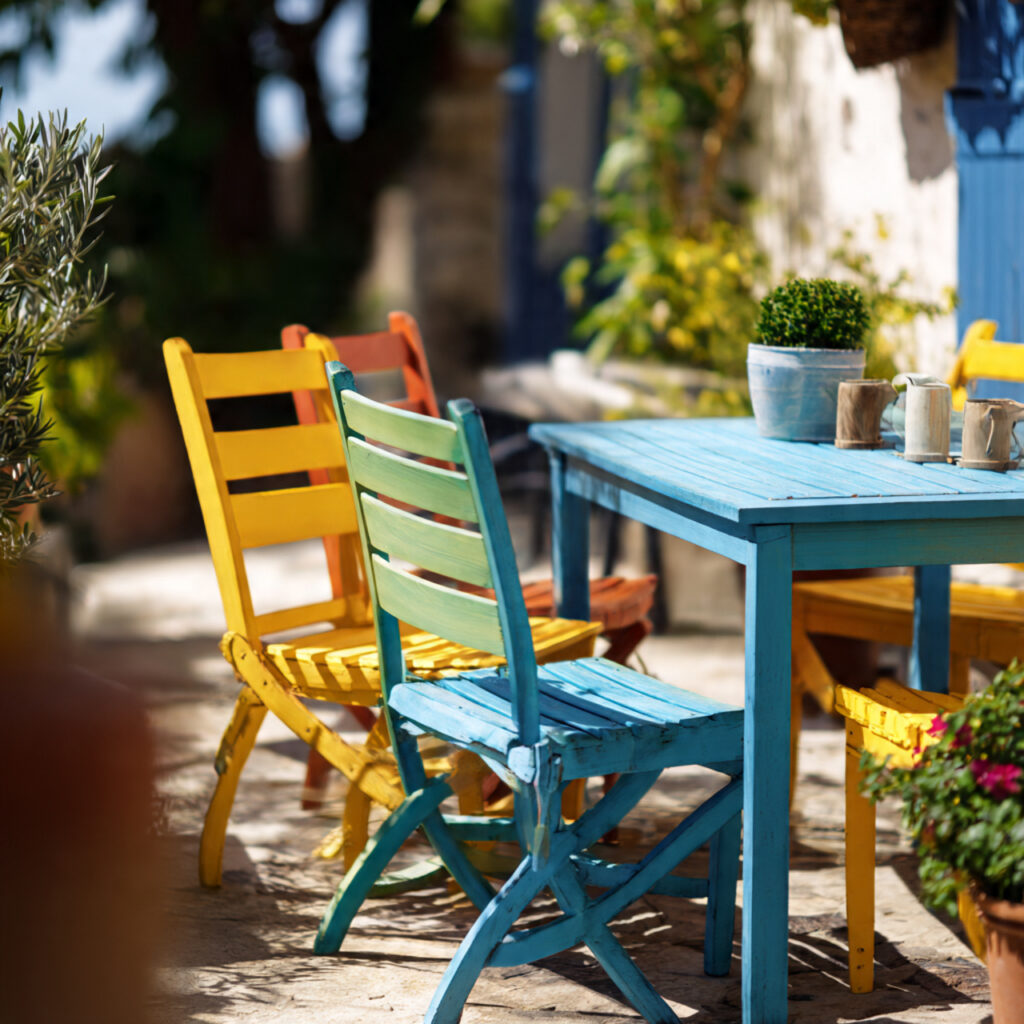
Outdoor furniture can also be transformed with durable, weather-resistant paint. Patio chairs, tables, and benches benefit from a fresh coat, adding color and protection against the elements. Outdoor painted furniture brightens decks, gardens, and porches.
Choosing the right paint ensures longevity and prevents fading. Combining painted furniture with outdoor textiles and greenery creates inviting, comfortable spaces for relaxation.
Creative Use of Stencils
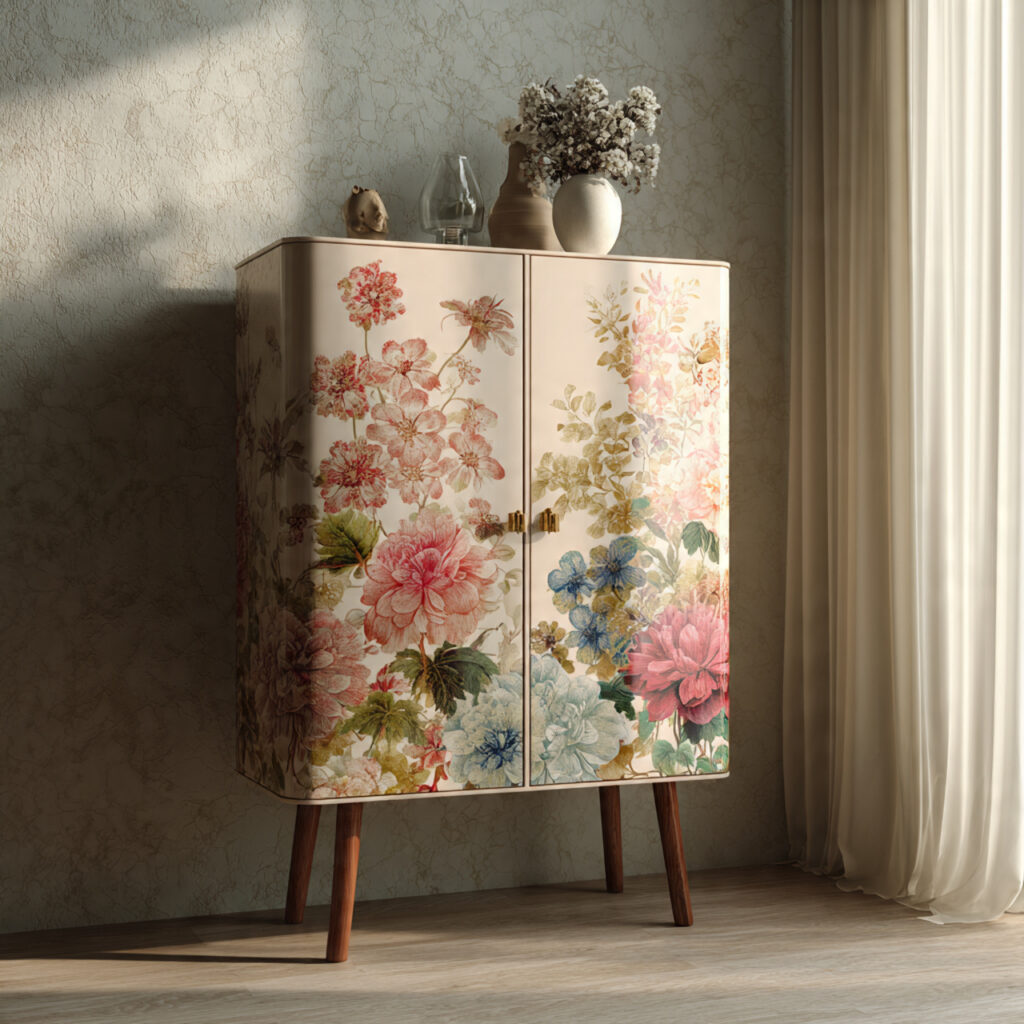
Stencils allow you to add intricate designs without freehand painting. Flowers, mandalas, or geometric shapes can transform a plain dresser or table into a work of art. Painted furniture with stencils is versatile and customizable.
Stenciling works well over any base color and complements layering or distressing techniques. It’s a great way to express personal style while maintaining a cohesive décor theme.
Hand-Painted Details
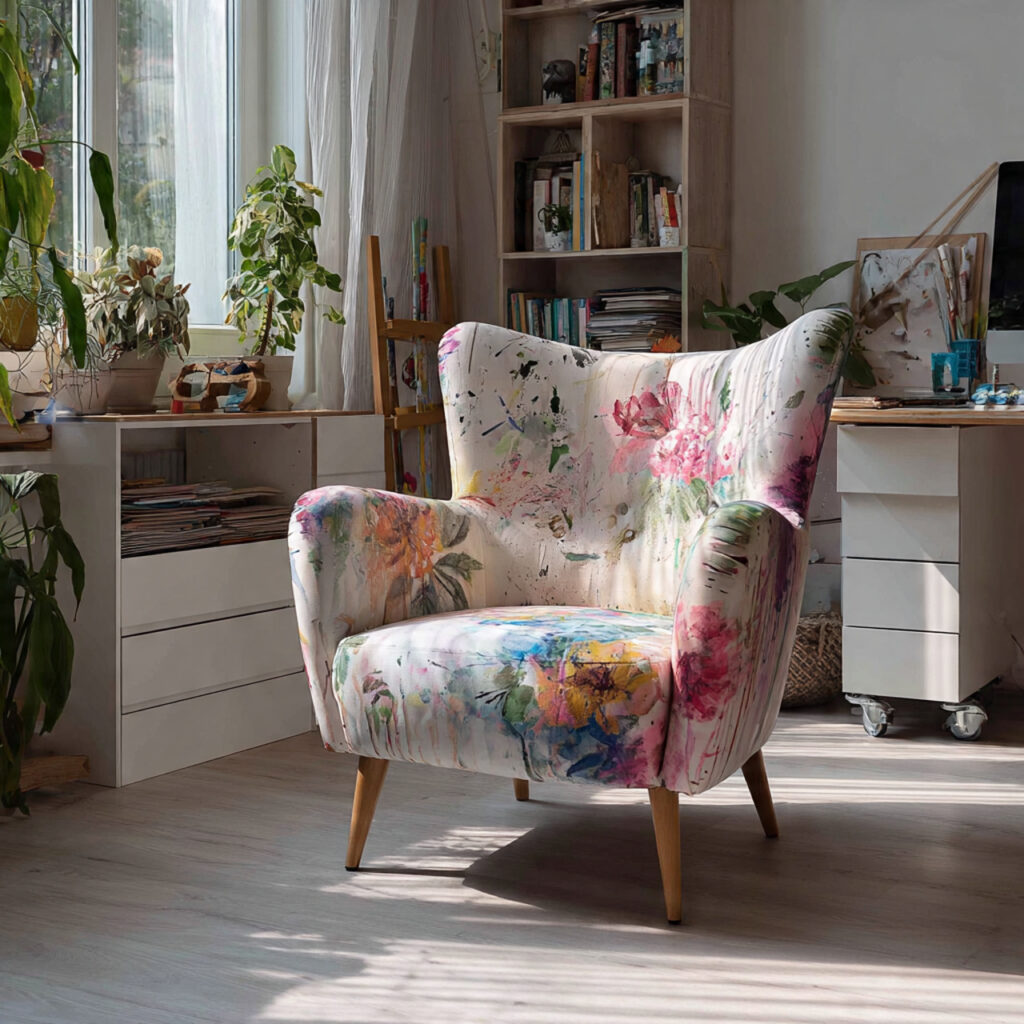
Adding freehand painted motifs, borders, or illustrations personalizes furniture in a unique way. From floral designs to abstract patterns, hand-painted furniture feels artistic and one-of-a-kind.
Even small painted details on drawer fronts, table edges, or chair backs can elevate the overall piece. This approach celebrates craftsmanship and creativity in a way mass-produced furniture cannot replicate.
Painted Furniture with Wash Effects
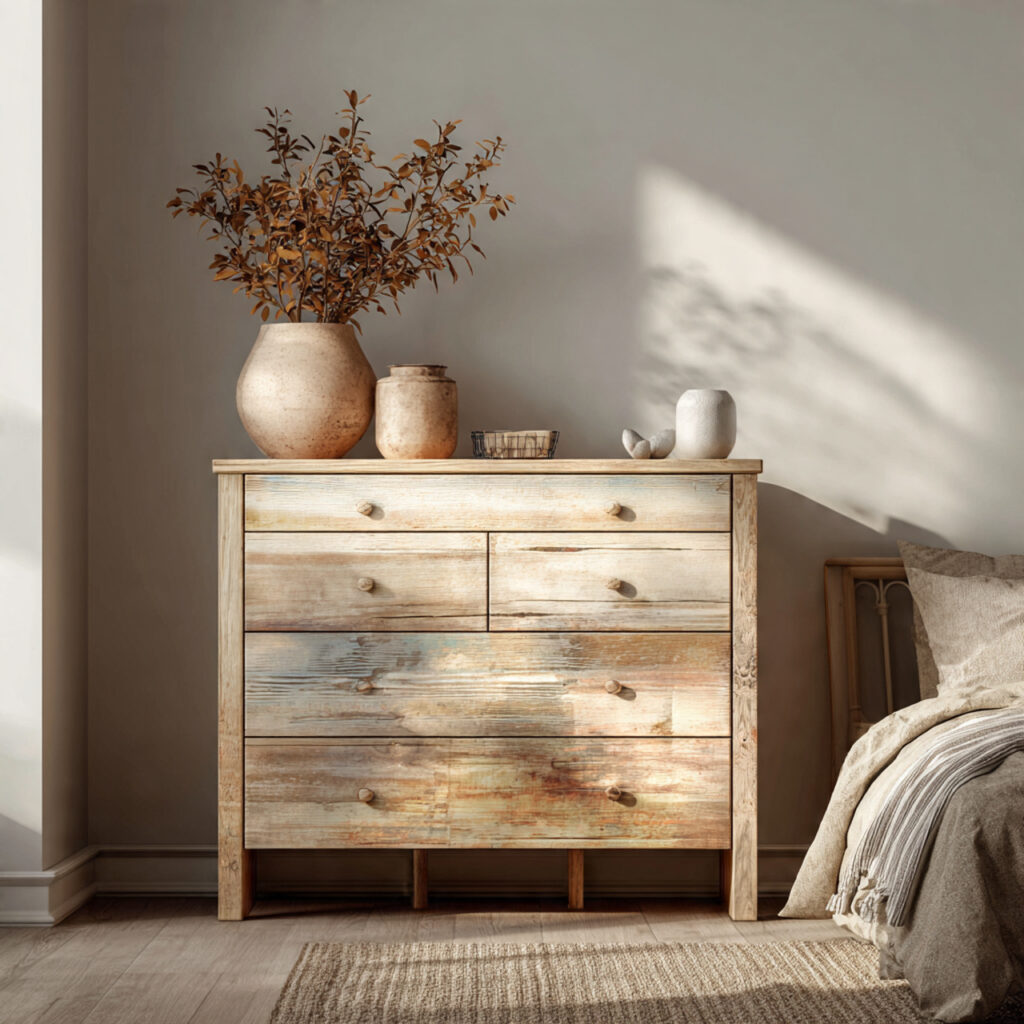
A paint wash involves diluting paint for a translucent effect, revealing the wood grain beneath. This technique works well with tables, dressers, or cabinets, giving a soft, layered look.
Wash-painted furniture combines subtlety and elegance. It’s ideal for adding depth without bold colors, making pieces blend seamlessly into various interior styles.
FAQs About Painted Furniture
Q1: Can I paint over laminate furniture?
Yes, you can, but it requires proper preparation. Clean the surface thoroughly, sand lightly, and apply a bonding primer before painting to ensure adhesion.
Q2: How long does painted furniture last?
With proper preparation and sealing, painted furniture can last for many years. Using high-quality paints and protective topcoats improves durability.
Q3: Can I use spray paint for furniture indoors?
Spray paint is convenient but should be used in a well-ventilated area or outdoors. Consider wearing a mask to avoid inhaling fumes and protect surrounding surfaces.
Q4: Is distressing furniture difficult for beginners?
Not at all. Distressing is beginner-friendly, and imperfections often enhance the rustic look. Light sanding on edges or corners is usually sufficient.
Q5: Can painted furniture be used outdoors?
Yes, but you need weather-resistant paints and sealers to protect against moisture, sun, and temperature changes. Outdoor furniture also benefits from periodic touch-ups.
Conclusion
Painted furniture is a powerful way to transform your home, whether you’re refreshing a tired piece or creating a bold statement. With endless techniques, colors, and finishes to explore, painted furniture offers both style and sustainability. From chalk and milk paints to metallic accents and intricate stenciling, there’s a method for every skill level and décor taste. By incorporating painted furniture into your home, you’re not only enhancing its visual appeal but also adding personality, creativity, and value to your living spaces.